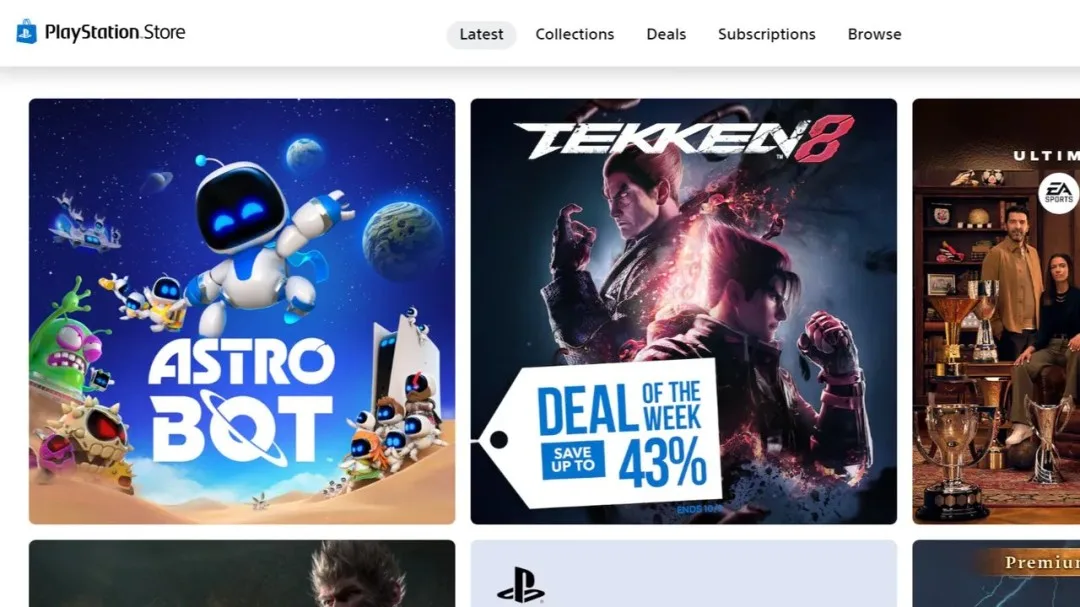
Sony conducted a dynamic pricing experiment on the PlayStation Store, displaying different game prices to different users without clearly disclosing this practice to consumers, according to multiple reports from May 2026 [1, 2, 3]. Experts have warned the experiment may violate EU consumer protection rules.
EU Directive 2011/83/EU mandates clear and comprehensible communication if personalised pricing is used. Legal experts Peter Rott and Jan Trzaskowski emphasized that the directive applies since consumers see price differences based on who they are. Rott said, "I would think that Article 6(1)(ea) of the Consumer Rights Directive still applies." Trzaskowski stated, "Fundamentally, the problem is that you are offered a specific price because of who you are" [1].
Sony’s pricing segmentation reportedly considers factors like logged-in status and other undisclosed criteria, rather than strict personalised pricing. Regardless, EU law sees any price difference by consumer profile as subject to transparency obligations [1, 2, 3]. Sony has not publicly responded to media requests for comment [2, 3].
The company’s actions may also violate EU Directive 2005/29/EC covering unfair commercial practices, which prohibits withholding material information that misleads consumers about pricing [1, 2, 3]. Microsoft’s Xbox platform has employed personalised pricing since 2022 but discloses the practice clearly with features like the "Just for You" section on its store [1, 3].
Sony is simultaneously facing a nearly £2 billion class action lawsuit in the UK accusing it of monopolistic pricing on digital games [3]. The pricing controversy adds to Sony’s mounting platform disputes involving companies like Epic Games, Apple, and Google [3]. Christian Bergqvist commented in Chinese that "Worst case, they may face fines. But for a company the size of Sony, fines have limited impact." [3]
As case law on digital personalised pricing in the EU remains limited, any formal legal action against Sony could establish important precedents in consumer protection [2, 3]. The dynamic pricing experiment and surrounding scrutiny emerged publicly in May 2026 when Danish publication Arkaden reported on the issue [1, 2, 3].