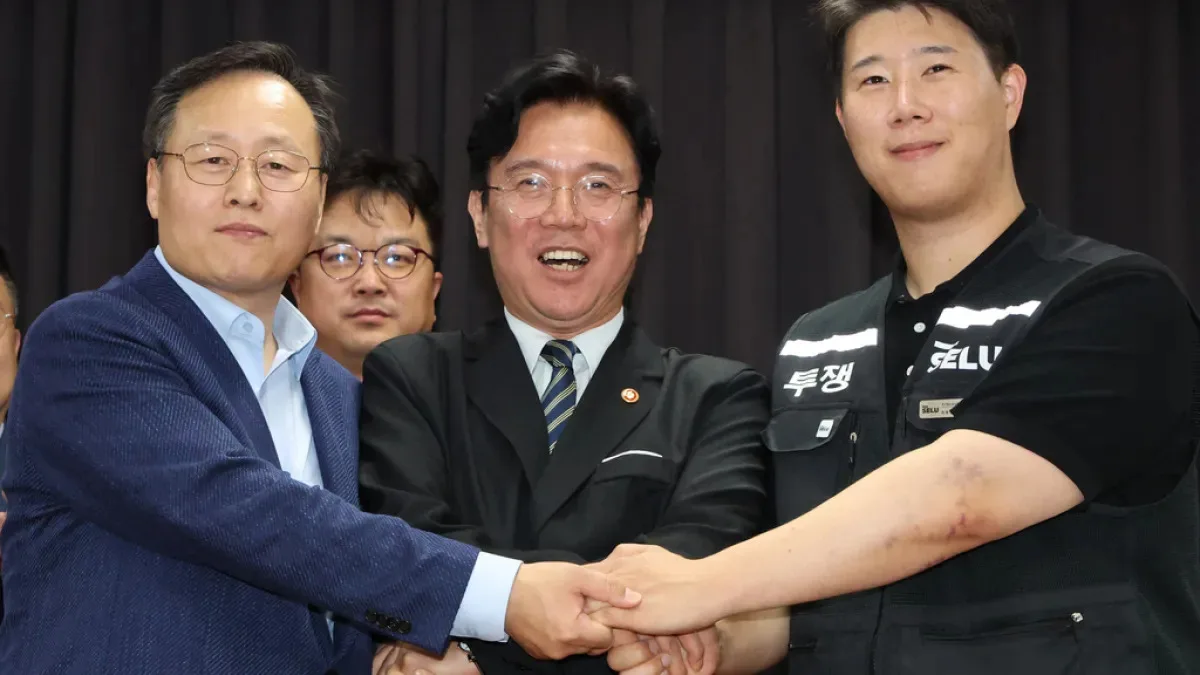
South Korea's labor minister, Kim Young-hoon, called on major technology companies including Samsung Electronics and SK Hynix to share their excess profits generated from the AI boom with suppliers, subcontractors, and their workers after tax obligations are met. Kim made the appeal publicly on June 5, highlighting concerns about the growing income inequality between large conglomerates and smaller suppliers in the country [1, 2, 3, 4, 5].
Kim warned that the record gains in the semiconductor chip sector due to surging AI demand threaten to widen the socioeconomic divide. "If the social polarization caused by dividend disparities is allowed to continue, the social class split will only worsen," he said [5]. He urged a multi-stakeholder public dialogue involving the government, companies, labor unions, and suppliers to develop new rules for fairly distributing AI-driven profits [1, 2, 3, 4, 5].
Approximately 1,700 small and medium-sized suppliers and local infrastructure providers such as water and electricity companies contribute substantially to the success of conglomerates like Samsung. Kim noted their role and said profit sharing should extend beyond large companies to include them as well. He also suggested adjusting supply contract prices as one possible method for sharing profits with smaller suppliers in the future [2, 3, 4, 5].
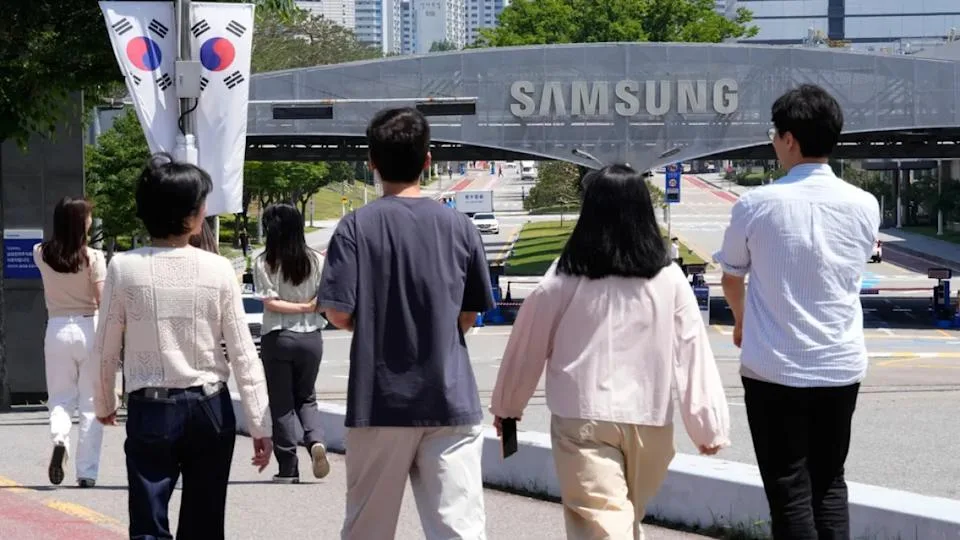
Samsung agreed on June 4 to a labor deal with its union that avoids a strike and includes special bonuses for employees if the company's annual operating profits exceed 200 trillion Korean won from 2026 to 2028. However, both Samsung and SK Hynix declined to comment on Kim's wider profit sharing proposals [2, 3, 4, 5].
Kim rejected criticism from the conservative People Power Party, which labeled his proposals as communist. He said the steps are not harmful state interference but a reinvestment in the supply chain to strengthen competitiveness and counter low economic growth. "Profit sharing is not communism that destroys the free market economy; it is reinvestment in the supply chain," he argued [2, 4, 5].
Data from Q1 2026 shows South Korea's income gap between the top 20% and bottom 20% of households widened at its fastest pace in six years, raising concerns about inequality [3, 5]. Addressing unequal salary and welfare levels between workers at large firms and smaller companies also motivated Kim's proposals [2, 4, 5].
A senior government official suggested last month public dividends distributed to citizens from AI-related excess tax revenues to further share AI financial gains with society [2, 4].
Kim Young-hoon, a former labor activist appointed by President Lee Jae Myung, said: "We should create new distribution rules through social dialogue... it is undeniable that Samsung's excellence results from joint labor-management effort and contributions from 1,700 suppliers and local communities, including water and electricity supply" [2]. The labor ministry plans to continue pushing for discussions on profit sharing and equitable distribution as AI-driven growth accelerates.