South Korea's government will announce a new semiconductor cluster to expand chipmaking capacity due to rising AI-driven demand growth, officials confirmed [1, 2, 3, 4]. Samsung Electronics and SK Hynix are accelerating their cluster development plans, potentially advancing buildout timelines by roughly 10 years [1, 2, 5, 3].
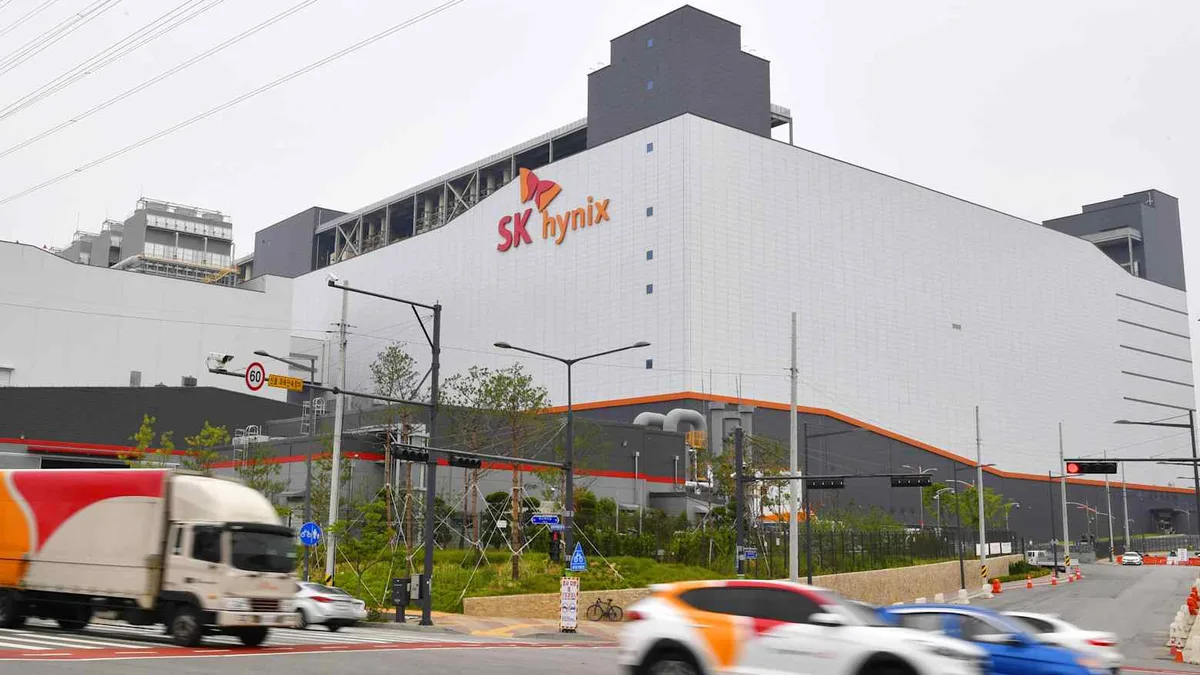
SK Hynix plans to build four wafer fabrication plants in the Yongin cluster. The timeline for the fourth fab’s completion has been moved forward from 2044 to 2034 [2, 5, 3]. Kim Yong-bum, a policy chief at the South Korean Presidential Office, said the "AI-driven chip demand is experiencing explosive growth, so existing semiconductor cluster construction timelines will be greatly accelerated" [2].
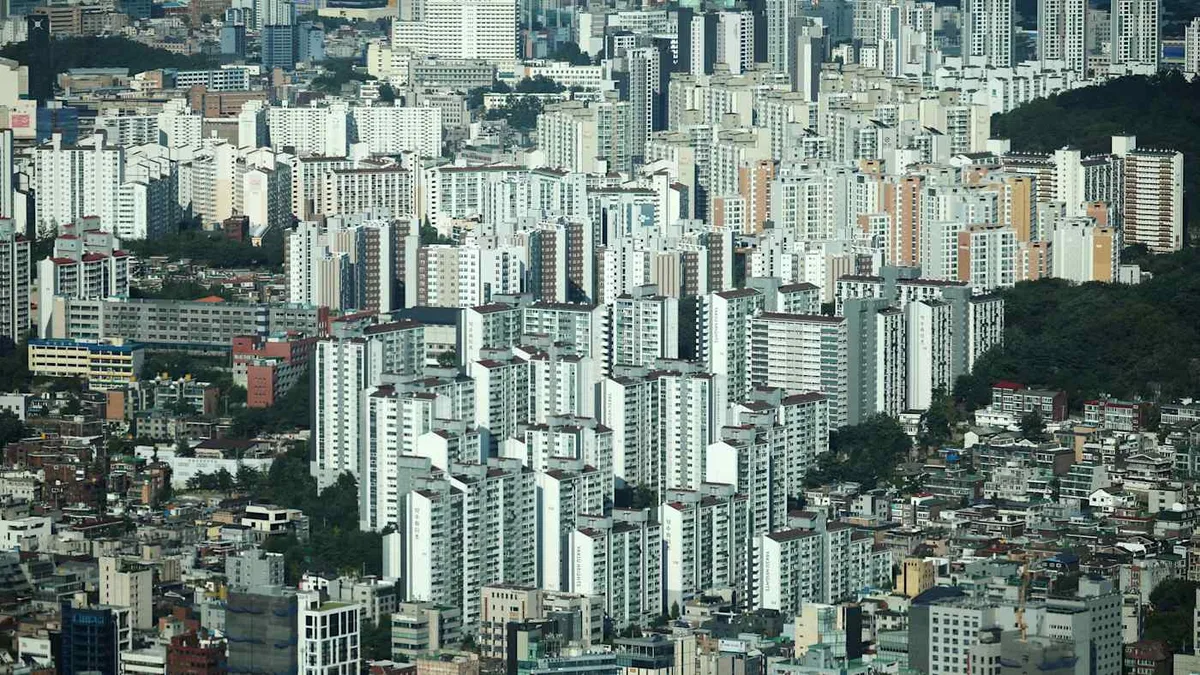
The government is also considering establishing a second semiconductor cluster in southwestern regions such as Jeolla and Chungcheong provinces. This is due to land, electricity, and water resource shortages near Seoul that constrain further expansion in the capital region [3, 4]. Kim noted that "land, electricity and water resources around the Seoul metropolitan area are nearly exhausted, so new semiconductor clusters are urgently needed elsewhere" and that building a second cluster ahead of Yongin’s full completion is important to remain competitive in the global AI semiconductor race [4].
President Lee Jae-myung is meeting Samsung Chairman Jay Y. Lee on June 25, 2026, to discuss regional investment plans including possible chip-related projects in the Jeolla provinces [6, 7]. A formal announcement on regional semiconductor investment by Samsung, SK Hynix, and other major firms is expected June 29 at a presidential office meeting [6, 7].
The Yongin semiconductor cluster remains central to South Korea’s global leadership in memory, AI chips, and advanced manufacturing [5]. The government also aims to balance regional development by boosting production outside the Seoul metropolitan area [7, 4].
Strong AI-related demand has caused volatility in Korean stock markets. Semiconductor shares including Samsung and SK Hynix dropped sharply around June 23 amid concerns about demand and expansion pace [5, 3]. South Korea’s GDP growth forecast is near 3% for 2026, with nominal GDP growth expected to exceed 10% [4].
SK Hynix’s compressed schedule calls for completing the fourth wafer fab in Yongin by 2034, a decade earlier than initially planned [2, 5, 3]. The meeting between President Lee and Samsung’s Jay Y. Lee today is expected to solidify further regional expansion plans.