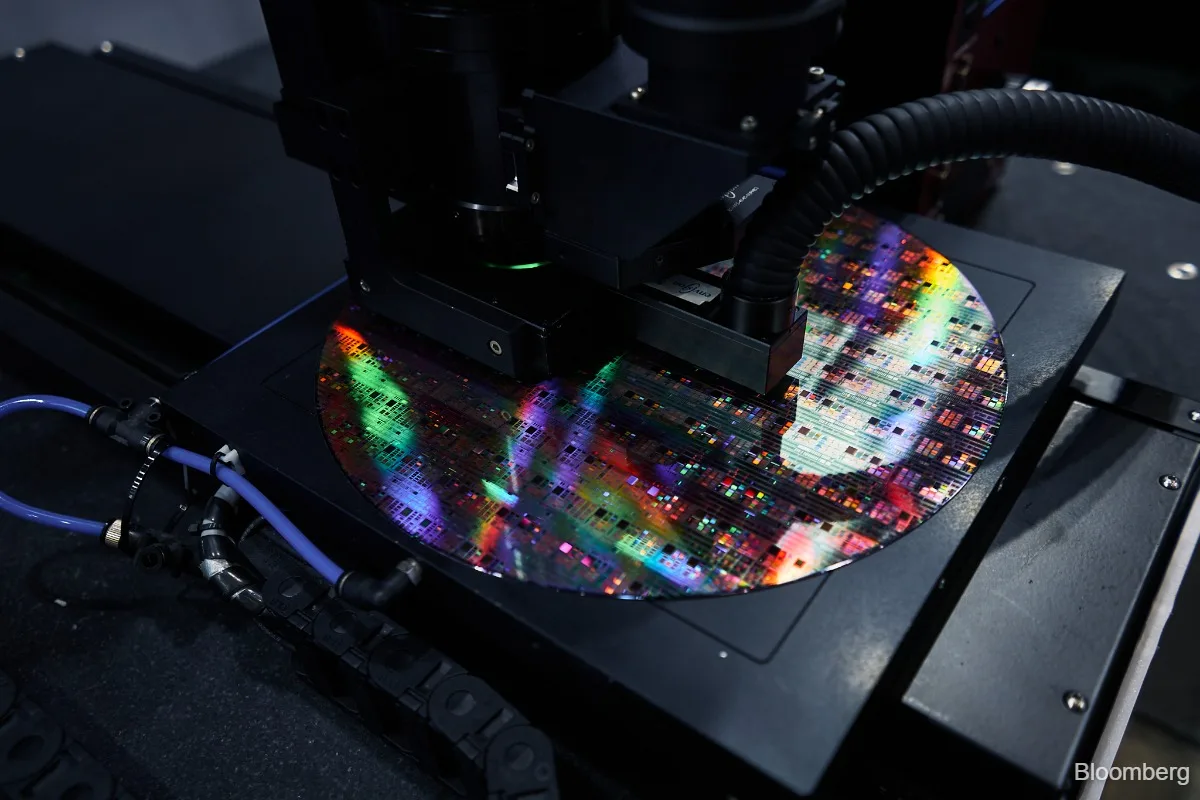
Taiwanese authorities are considering much tougher export controls on AI chip sales to China to better align with US measures introduced since 2022 to limit Beijing’s military access to advanced technology [1, 2, 3, 4, 5, 6, 7, 8, 9, 10, 11, 12]. Currently, US regulations prohibit AI chip exports to China without a license from Washington [1, 2, 3, 4, 5, 6, 7, 8, 9, 10, 11, 12]. Taiwan’s existing laws do not treat unauthorized AI chip shipments to China as a criminal offense and only prosecute smugglers under other statutes, making enforcement difficult [1, 2, 3, 4, 6, 7, 9, 10, 11, 12]. In May 2026, Taiwanese authorities made their first known detentions of alleged smugglers, charging them with falsifying documents [2, 3, 6, 9, 10, 11].
The proposed controls would expand restrictions from only targeting blacklist companies such as Huawei to covering all customers in China [1, 2, 3, 4, 6, 7, 8, 9, 10, 11, 12]. Taiwan officials have agreed in principle to follow US approaches that restrict AI chip sales based on processing power thresholds [1, 7, 9, 10, 11]. If enacted, Taiwan could prosecute AI chip smuggling to China as a criminal violation for the first time [1, 2, 3, 4, 6, 7, 9, 10, 11].
The new controls are part of ongoing trade talks between Taiwan and the US, reflecting concerns over semiconductor smuggling to China [1, 2, 4, 6, 7, 9, 11]. Taiwan’s Ministry of Economic Affairs said it will continue strengthening management of strategic high-tech goods to comply with international export control trends and protect national security. The Ministry stated, “We will continue to strengthen mechanisms for managing strategic high-tech goods to align with international export control developments and safeguard national security” [8, 11, 12]. Another ministry statement emphasized ongoing communication with the US to implement shared export control goals on advanced chips and semiconductor equipment [12].
The measures would be among the most far-reaching steps taken by President Lai Ching-te’s administration to protect Taiwan’s technology and security interests [1, 3, 6, 9, 10, 11, 12]. Taiwan’s semiconductor companies, including industry leader TSMC, could see affected shipments to China. TSMC reported about 7% of its Q1 2026 revenue came from Chinese customers, against a backdrop of Taiwan’s overall semiconductor export value reaching $78.48 billion in May 2026 [7, 8, 11, 12].
Taiwanese officials have not finalized the exact extent to which they will adopt US-style export controls, and the policy may provoke rebukes from Beijing [1, 4, 9, 11, 12]. On June 9, Taiwan publicly confirmed continuing negotiations with the US to strengthen controls on high-tech exports including AI chips to China [8, 11, 12].