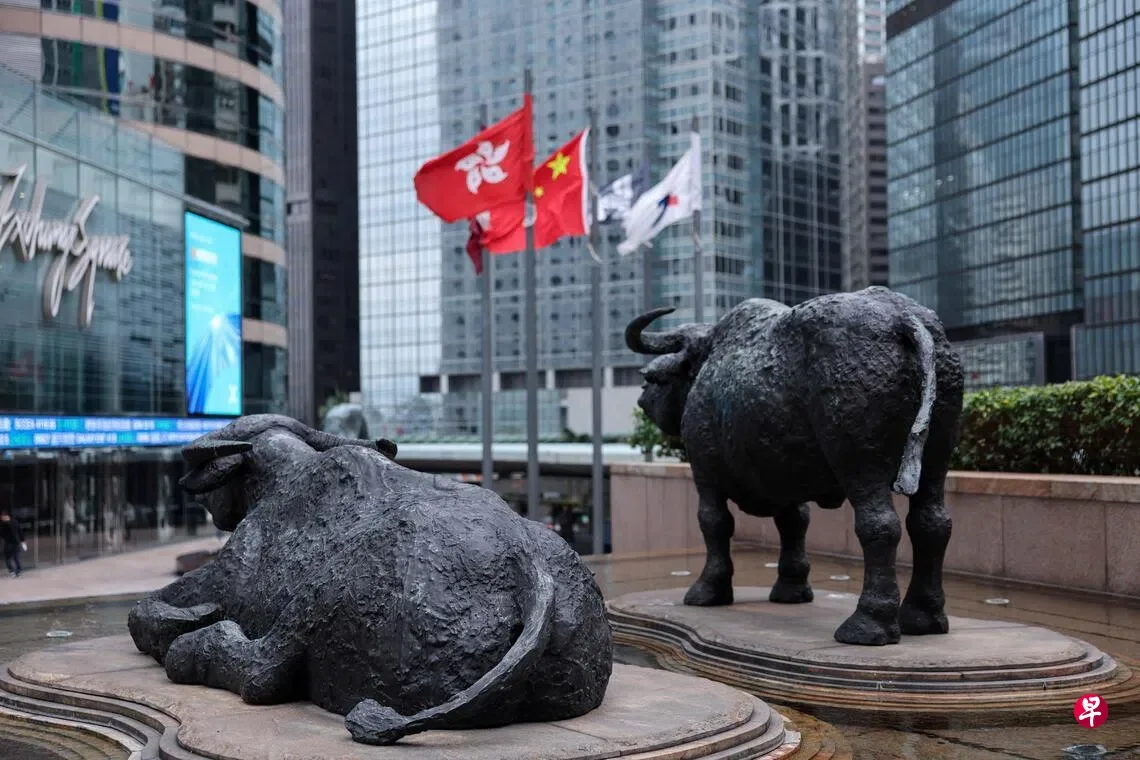
China's Shanghai Composite index plunged 2.3% on June 26, its largest one-day drop in three months. Hong Kong's Hang Seng Index fell 1.8%, posting its biggest weekly decline in more than 14 months. Taiwan's stock index dropped 1,683 points, losing the 45,000 mark amid a sell-off in technology shares triggered by Apple raising product prices. The MSCI Asia Emerging Markets index declined nearly 4% the same day amid broad tech sector weakness including South Korea and Taiwan markets [1].
Morgan Stanley raised Taiwan Semiconductor Manufacturing Co's (TSMC) target price by 12% to NT$2,888 citing an improved revenue and pricing outlook. The firm forecast 40% year-on-year revenue growth in 2026 and said capex would rise to $56 billion [2, 3]. TSMC planned a $4.8 billion cash dividend distribution on July 10, paying NT$6 per share for Q4 earnings [4].
The Chinese A-share market saw strong retail participation in the first half of 2026, with over 20 million new accounts opened, a 60% increase year-on-year, suggesting elevated trading activity [5].
US stocks rebounded on June 29 after easing US-Iran tensions, with the Dow Jones Industrial Average hitting new all-time highs above 52,000. The Nasdaq and semiconductor indices rallied more than 3%. José Torres, IBKR senior economist, noted, "Risk appetite revived in the shortened holiday trading week as investors eased AI spending concerns and increased exposure to Big Tech stocks" [6].
On July 2, US nonfarm payroll data came in far below expectations, reducing bets on Federal Reserve rate hikes. The Dow surged to record highs while the Philadelphia semiconductor index fell 5.4% over two days on chip sector profit-taking. Bruce Zaro, Granite Wealth Management managing director, said, "After big gains in chip stocks this year, some investors are taking profits." Adam Sarhan, CEO of 50 Park Investments, added, "The jobs report doesn't mean inflation worries disappeared, just eased short-term Fed hike pressure." UBS CIO Andrew Dubinsky said the labor market remains expanding but not overheated, allowing the Fed room to monitor inflation [7].
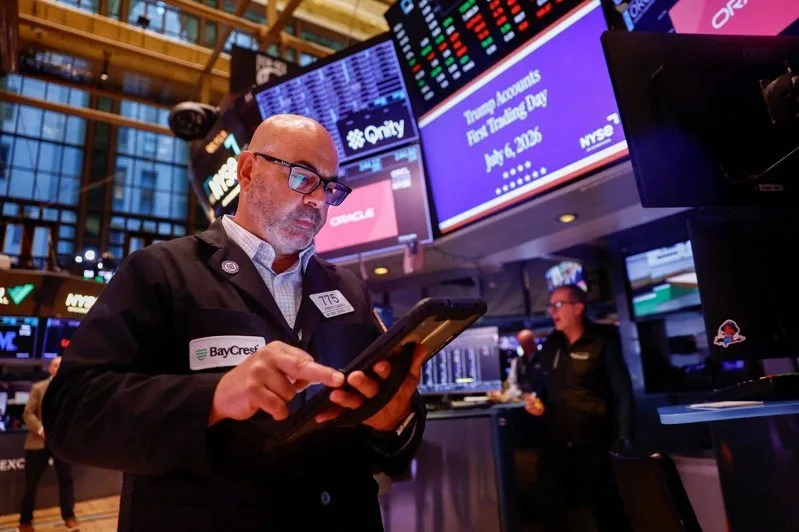
US markets opened higher on July 6, led by chip and tech shares. TSMC American Depositary Receipts (ADR) surged 4.8%. Lower oil prices helped ease inflation concerns. Broadcom announced plans to supply Apple with custom ASIC products, lifting its shares. TeraWulf shares jumped after signing a 20-year data center contract with Anthropic [8].
On July 7, memory chip stocks plunged roughly 7%, dragging semiconductor indexes down 5.6%. Samsung Electronics shares dropped 6.9% and SK Hynix fell 6.1% amid a broad semiconductor sell-off. Some investors worried about the sustainability of chip valuations and AI-related capital spending. Samsung and SK Hynix's investment plans drew investor focus, according to AJ Bell's Russ Mould [9, 10, 11]. The semiconductor sector lost about $1.5 trillion in market value since June 25 amid the sell-off [10, 11].
Opinions diverge on the recent correction. Some see the downtrend as a bear market triggered by declines over 20% in memory chip shares signaling a major correction [10, 11]. Others view it as profit-taking after large gains, with fundamentals around AI demand remaining strong. Morningstar strategist Phil Field said SpaceX's recent Nasdaq 100 inclusion may cause short-term volatility but benefit shareholders longer term [9].
US oil prices fell 2.2% on July 9 to $76.30 a barrel as fears of extended US-Iran conflict and shipping risks eased. IHH Healthcare reported reduced patient volumes from the Middle East impacting hospitals in India and Singapore [12].
TSMC will distribute its $4.8 billion Q4 dividend on July 10. This follows weeks of market volatility triggered by Apple pricing and geopolitical factors affecting technology and semiconductor stocks worldwide [4, 1, 6].