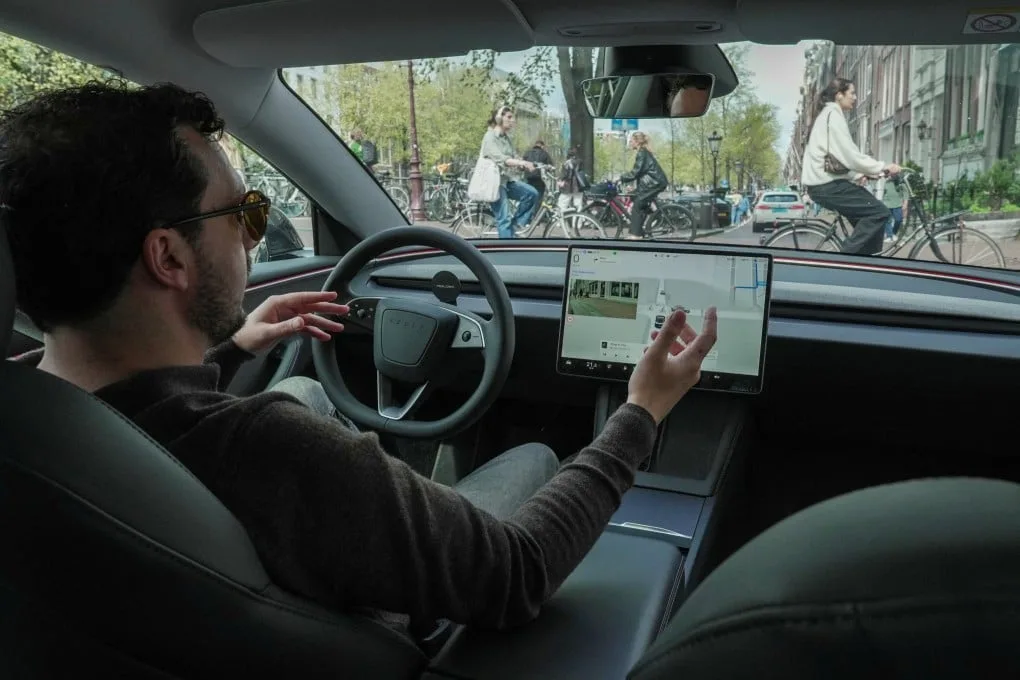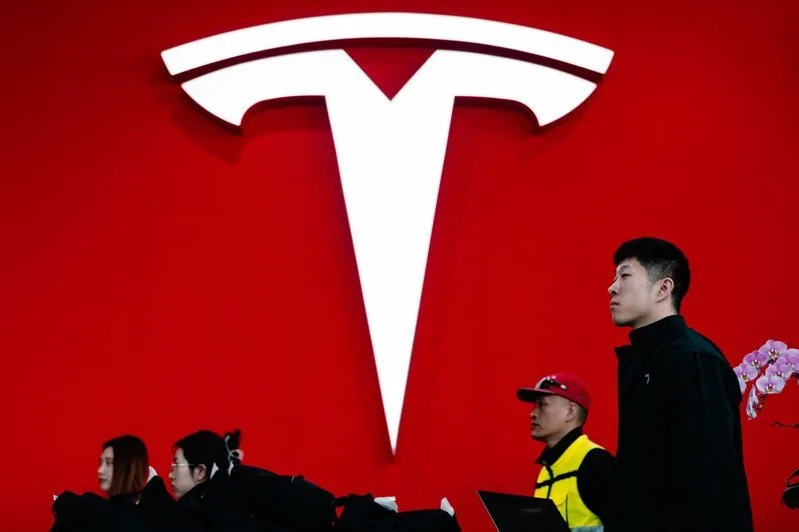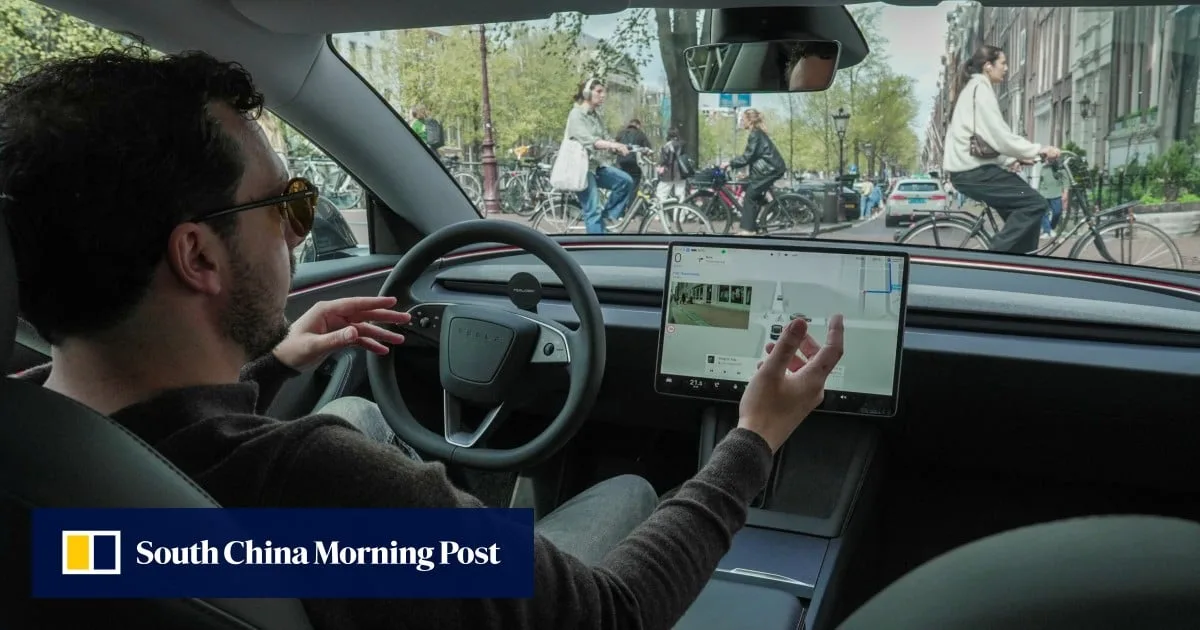
Tesla launched its Full Self-Driving (FSD) system, branded "FSD Supervised," in China and nine other countries, including the US and Canada, after securing regulatory approval for Level 3 autonomous driving in China [1]. The rollout marks a significant step as Tesla aims to introduce advanced driver assistance capabilities to its Chinese customers.
To support this push, Tesla China is recruiting around 90 core R&D and intelligent driving test staff across nine cities such as Beijing, Shanghai, Guangzhou, Shenzhen, Suzhou, and Wuhan. These roles require candidates to have clean driving records, at least three years of driving experience, and familiarity with ADAS and Autopilot systems. Job responsibilities include in-vehicle testing, functional validation on public roads, test tracks, and specialized validation sites [2, 3, 4, 5].
Tesla also shared it has updated its vehicle manual to version 2026.14 in early May, reflecting complete details of the FSD V14 system—a sign that it is preparing the product for a wider market introduction in China [5]. Additionally, Tesla released FSD version 14.3, which improves training on extreme scenarios and enhances perception capabilities by reducing inference latency [3, 4].
Despite the launch, Tesla customers purchasing the 64,000 RMB (about US$9,400) intelligent driving assist package in China cannot yet activate the system via over-the-air updates because full regulatory approval is still pending. Tesla’s official customer service said, “Your vehicle is not yet compatible with this feature. We are actively advancing the approval process according to national regulations and will push updates to domestic customers as soon as approval is completed” [2, 4, 5]. Elon Musk stated that FSD has received "partial approval" in China but expects broader approval only in the third quarter of 2026 [3, 4, 5].
To comply with Chinese data regulations and enhance local autonomous driving development, Tesla China has established a dedicated AI training center. This facility is expected to support continued localization efforts and regulatory compliance [5].
Tesla’s aggressive push comes amid tough competition from Chinese companies like Xpeng, Huawei, and BYD, which hold advantages in navigating complex Chinese roads and commercializing autonomous driving features. Huawei plans to invest as much as 80 billion yuan (US$11.7 billion) over five years to boost computing power for semi-autonomous driving research and testing [1].
Tesla’s Shanghai Gigafactory delivered 213,000 vehicles in Q1 2026, a 23.5% increase year-over-year, contributing to a company-wide revenue of US$22.39 billion (+16%) and a GAAP net income of US$477 million (+17%). The number of global FSD paying users reached nearly 1.3 million in Q1 2026 [3, 4].
On April 14, Tesla China posted numerous intelligent driving testing job openings across nine cities. On April 21, Shanghai approved a new generative AI service for Tesla’s in-car voice assistant. Tesla publicly announced on April 23 that it had obtained FSD Supervised approval in the Netherlands and was continuing to push for a China launch. Elon Musk’s visit to China alongside US President Donald Trump occurred on May 13. Media reported on May 20 that Tesla is accelerating recruitment and regulatory efforts for FSD in China [2, 3, 4, 5].
Tesla expects broader regulatory approval of FSD in China by the third quarter of 2026, marking the next major milestone for the system’s market availability [3, 4, 5].