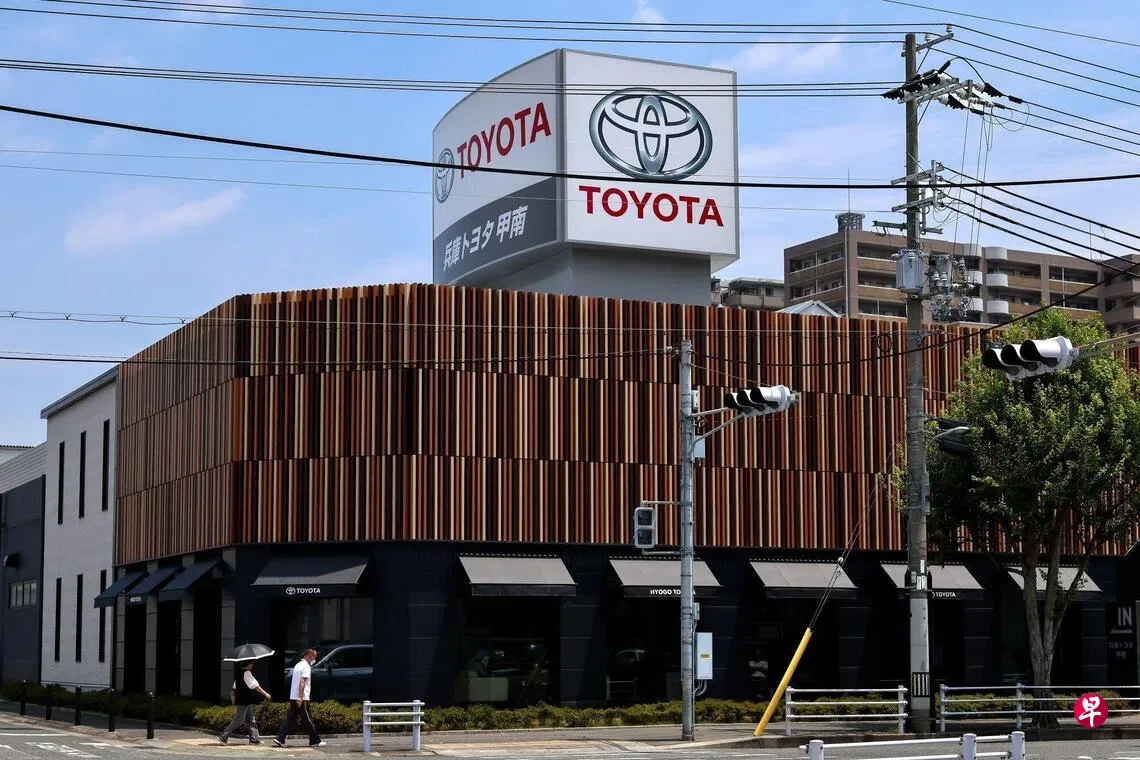
Toyota reported an 8.8% year-on-year decline in operating profit for fiscal Q1 2027, ending June 2026, at approximately 1.06 trillion JPY, falling short of market expectations [1, 2, 3, 4, 5]. Despite this, its net profit jumped about 75-76% to around 1.48 trillion JPY, significantly surpassing forecasts [1, 2, 3, 6, 4, 5]. On August 4, Toyota raised its full-year fiscal 2027 operating profit forecast from 3.0 trillion JPY to 3.4 trillion JPY and net profit guidance from 3.0 trillion JPY to 3.25 trillion JPY, also boosting sales revenue expectations to 54 trillion JPY from 51 trillion JPY [1, 2, 7, 3, 6, 4, 5, 8]. The company unveiled plans for a stock buyback of up to 1 trillion JPY, about 4.2% of shares, with intentions to retire around 200 million shares [1, 7, 3, 6, 8].
Toyota attributed the Q1 operating profit decline to lower Chinese sales, rising raw material and parts costs linked to the Middle East conflict, supply chain disruptions, and adverse exchange rates [1, 7]. Yet demand remained strong in North America and Europe, supporting sales growth in those markets [1, 7]. CFO 東孝則 said the forecast increase "reflects changes in external conditions including exchange rate assumptions," noting supply shortages on popular models are narrowing fast and crucial for ongoing growth [7]. The yen's depreciation led Toyota to adjust its fiscal 2027 assumed exchange rate from 150 to 160 JPY per USD, aiding profitability [7, 5, 8].
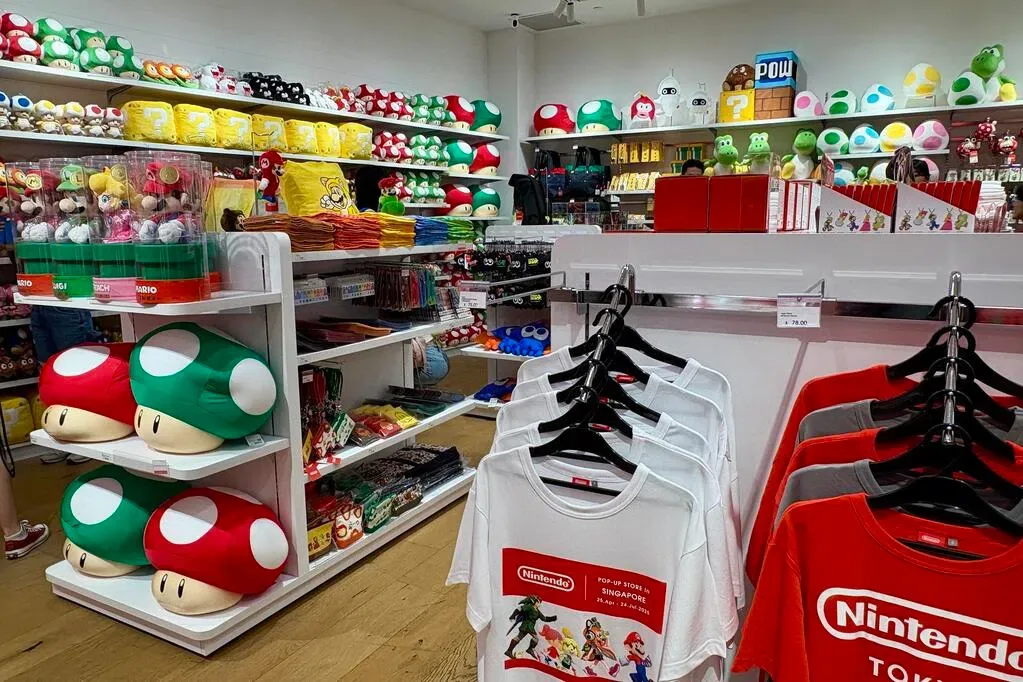
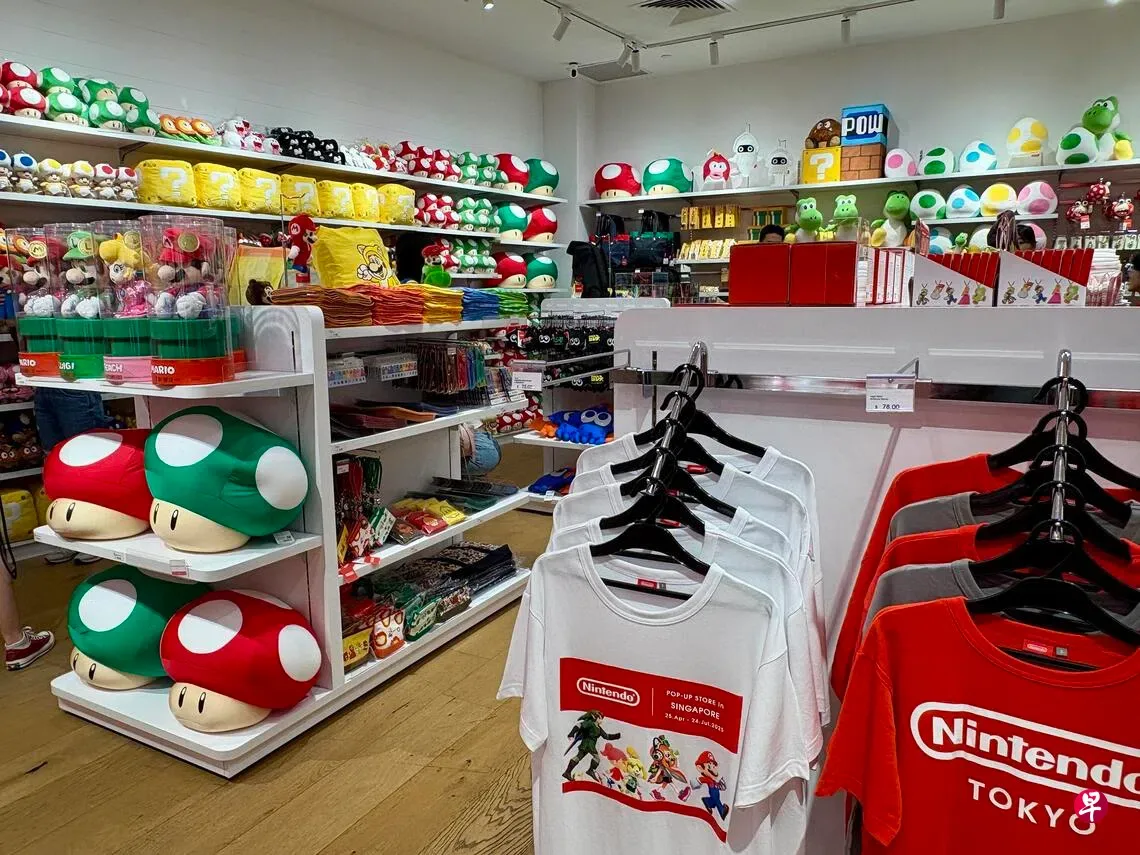
On August 6, Nintendo announced a 53.5% year-on-year rise in fiscal Q1 net profit to about 1474 billion JPY, beating estimates [9, 10, 11]. Its net sales declined about 9-10% to 5178 billion JPY but remained above market expectations [9, 10, 11]. Nintendo attributed profit growth mainly to US tariff refunds that lowered sales costs by roughly $300 million, and strong software sales for Switch 2 titles like "Tomodachi Life: Living the Dream" and "Pokémon Pokopia" [9, 10, 11]. The company sold about 3.82 million Switch 2 consoles during the quarter, though software sales lagged behind the previous generation [9]. Nintendo rejected calls to pass tariff refund benefits to consumers despite lawsuits, stating buyers chose to purchase products at offered prices and benefited from the goods received [10].
SoftBank reported a fiscal Q1 net profit of 347.3 billion JPY on August 6, down 17.7% from the prior year but surpassing analyst forecasts. Gains from its Intel investment supported results [12]. Founder Masayoshi Son described labeling tech stock growth as a bubble as an "insult" to AI, emphasizing that the technology revolution is just beginning [12].
Toyota’s full-year outlook and buyback plan reflect its confidence amid ongoing global challenges, with upcoming quarterly updates expected to clarify progress on supply shortages and market demand shifts.