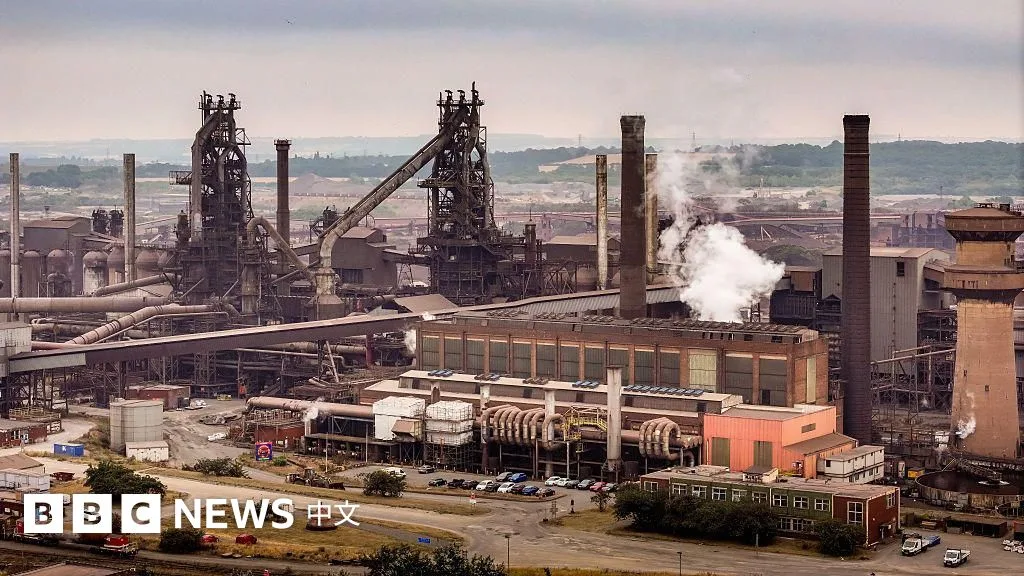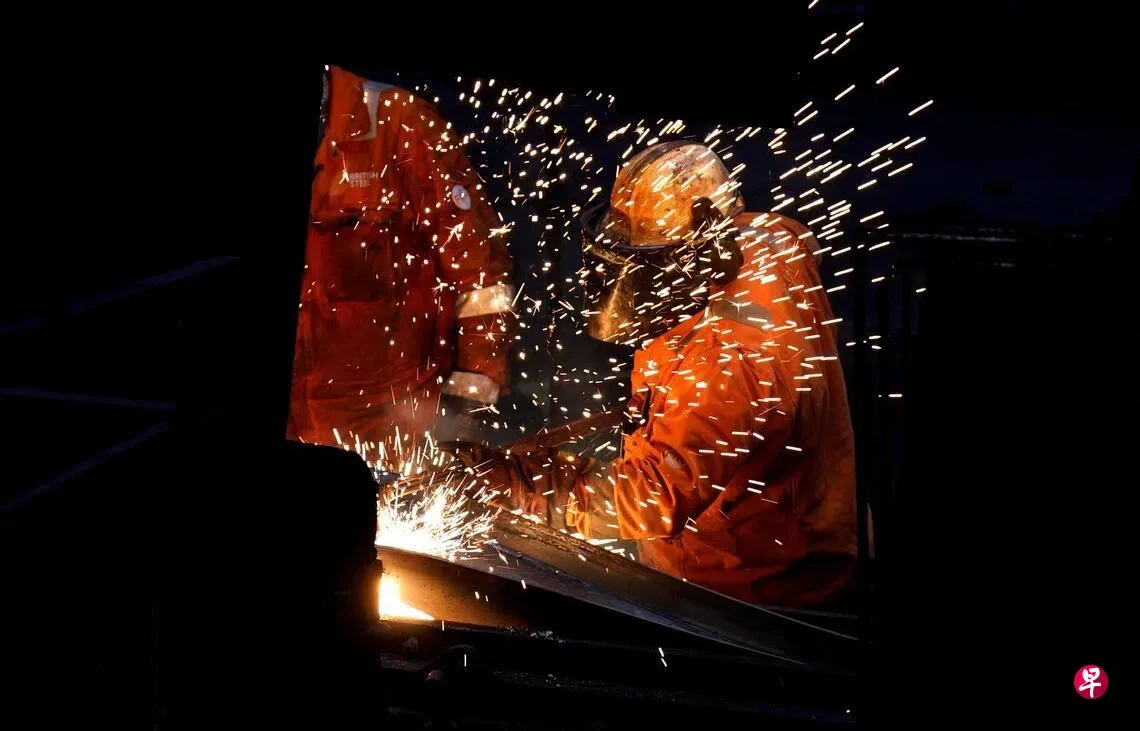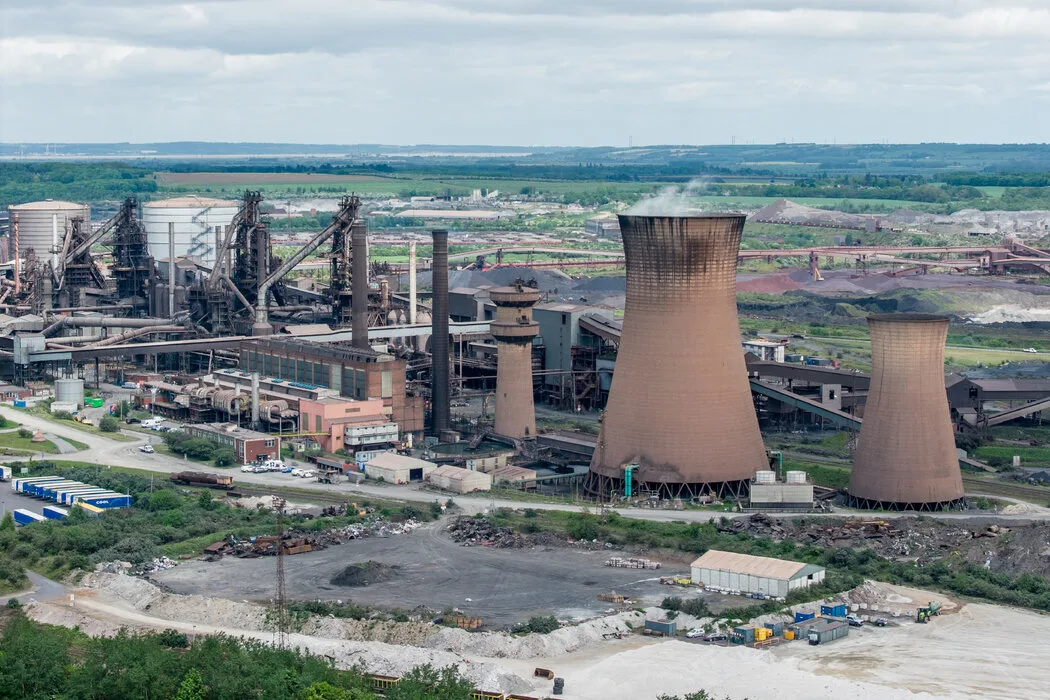
The UK government completed full nationalisation of British Steel on July 16, 2026, ending a six-year ownership by China's Jingye Group amidst longstanding disputes [1, 2, 3, 4, 5, 6]. British Steel, located in Scunthorpe, is the UK’s last large primary steel producer, employing about 2,700 workers directly and supporting thousands more in the supply chain [2, 3, 7, 4, 5, 6].
Jingye Group acquired British Steel in 2020 for £70 million after the company had been bankrupt since 2019. Despite operating losses, Jingye invested over £1.2 billion to keep the plant running [1, 7, 4, 5, 6]. Jingye’s daily financial loss reached around £700,000 by early 2026 [2, 7].
The government took operational control in April 2026 to prevent closure of Scunthorpe’s two aging blast furnaces, Queen Anne and Queen Bess, which are the UK’s only facilities producing virgin steel from iron ore [2, 7, 4, 6]. These furnaces, opened in 1954 and 1938 respectively, are nearing end of lifespan. Their shutdown would cause the UK to lose primary steelmaking capacity, leaving only scrap-based electric arc furnaces [2, 4, 6].
The nationalisation aims to protect a strategic national capability, safeguard thousands of jobs, stabilise steel supply chains, and secure steel for infrastructure and defense projects [1, 2, 7, 4, 5, 6]. UK Business Secretary Peter Kyle said, “British Steel now belongs to the British people. We will focus on stabilising the business and building a sustainable, competitive, and decarbonised steel sector for the future” [4]. Labour leader Keir Starmer called the company “a cornerstone of UK industrial strength” and said the decision secures its future [1].
Operating costs remain high, with government audits showing daily expenses around £1.3 million as of early 2026 [1, 2, 3]. The UK had also imposed steel tariffs in early July to protect domestic producers against cheaper imports, especially from China [1].
China’s government strongly opposed the nationalisation, accusing the UK of damaging Jingye’s rights and Chinese investor confidence. The Chinese Ministry of Commerce criticized the takeover as unlawful and pledged support for Jingye’s legal remedies [2, 3, 8, 9, 5]. Jingye Group demanded prompt and full compensation for its investments in British Steel [1, 2, 4, 5]. The UK government has appointed an independent evaluator to determine if compensation is payable, with the option not to pay if the company is deemed without value [1, 2, 3].
Andy Burnham is expected to assume office as UK Prime Minister on July 21, 2026, having expressed intentions to expand public ownership of key industries [1, 2].