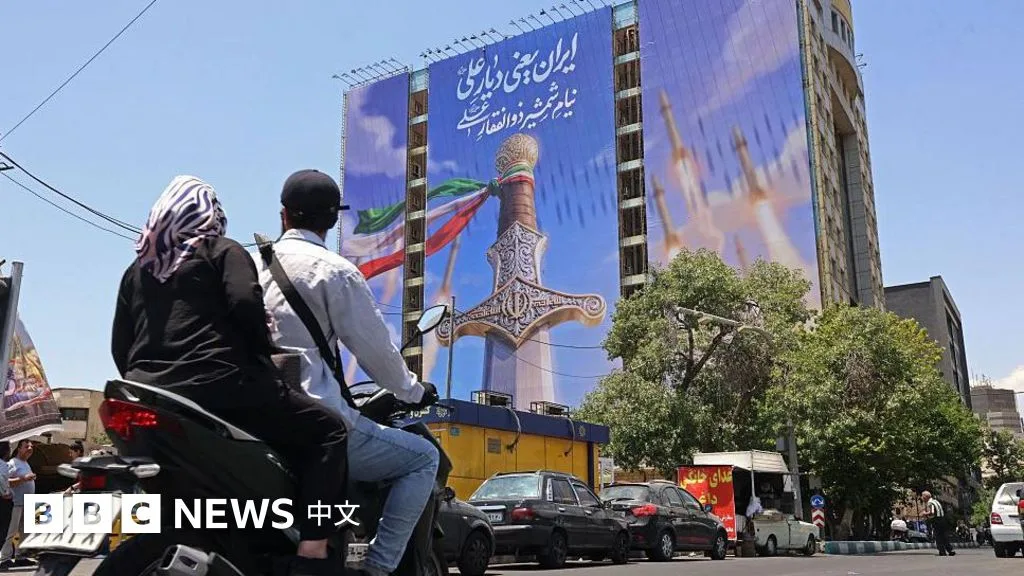
The United States and Iran reached a preliminary peace agreement that includes a 60-day roadmap to finalize a permanent accord, marking a significant step toward easing longstanding tensions [1, 2, 3, 4, 5].
The deal provides for the reopening and safe operation of the Strait of Hormuz, a key waterway responsible for about 20% of global oil and gas shipments [1, 2, 6, 3, 4]. To support this, the US has temporarily exempted Iran from certain sanctions for 60 days, allowing Tehran to export oil during this period [1, 2, 4, 5]. Iranian Foreign Minister Abbas Araghchi said, "Tehran has successfully achieved exemptions for oil and petrochemical exports and will release some frozen assets," referring to around $24 billion the US had frozen [3].
The peace talks took place in Switzerland with mediation from Pakistan and Qatar. US Vice President JD Vance led the US delegation, stating, "President Trump has instructed us to ‘turn the page’ and change relations with the Iranian people" [1, 2, 3, 4]. The negotiations began amid earlier obstacles, including a warning by President Trump against Iran closing the Strait of Hormuz again [1, 2, 3, 4]. Iran intends to coordinate with Oman on shipping to manage the Gulf passage, a plan that could conflict with US demands for full unrestricted access [2, 6].
Meanwhile, Israeli military actions against Iran-backed groups continue, and Iran has warned the US against further strikes, adding strain to the fragile ceasefire in Lebanon and surrounding areas. Experts note Israel could undermine negotiations if its security concerns aren’t met [7, 2, 3]. Dr. H A Hellyer of the Royal United Services Institute said Israel’s attacks appear aimed at disrupting the talks [7].
The tentative deal has shifted markets. US gasoline prices recently fell below $4 a gallon nationally, with prices ranging from $3.40 in Indiana to $5.64 in California. Analyst Patrick De Haan suggested prices might drop further to about $3.70 if the deal holds and Strait of Hormuz shipping stabilizes [1]. Brent crude oil prices dropped below $80 a barrel on the news but remain volatile due to ongoing supply and geopolitical uncertainties [2, 6, 8, 9]. US Energy Secretary Chris Wright said energy prices should continue falling partly due to increased US production and producer cooperation [2].
The ceasefire and peace agreement mainly aim to reduce conflict between Israel, Hezbollah, and Iran-backed factions, following a ceasefire between Israel and Hezbollah announced June 19 [7, 6]. Iran’s temporary closure of the Strait on June 20 escalated tensions prior to talks, which resumed June 21 in Switzerland at the Buergenstock resort [1, 2, 10, 3, 4]. On June 22, the US announced the 60-day oil sanction exemption, coinciding with the sharp drop in oil prices [2, 3, 4, 5].
The parties now face the challenge of finalizing a permanent agreement within 60 days and resolving disputes over Strait of Hormuz control and regional security. The roadmap’s deadline requires continued negotiation to prevent renewed hostilities and stabilize global energy markets.