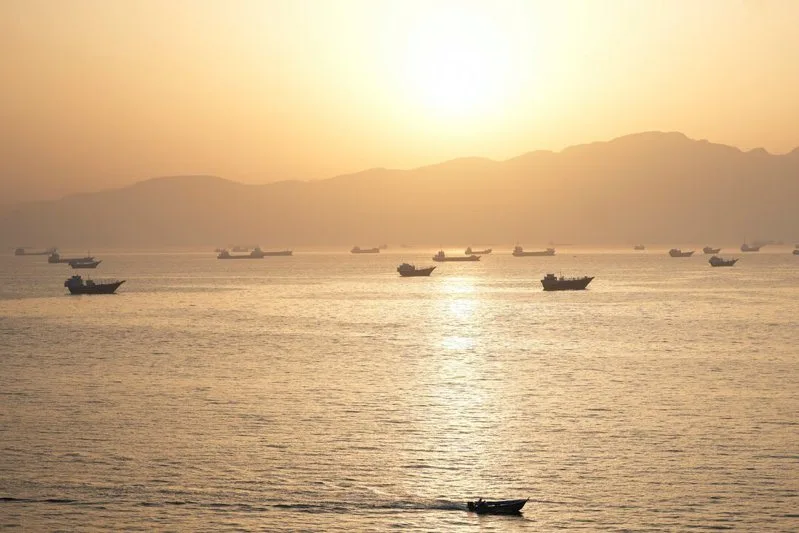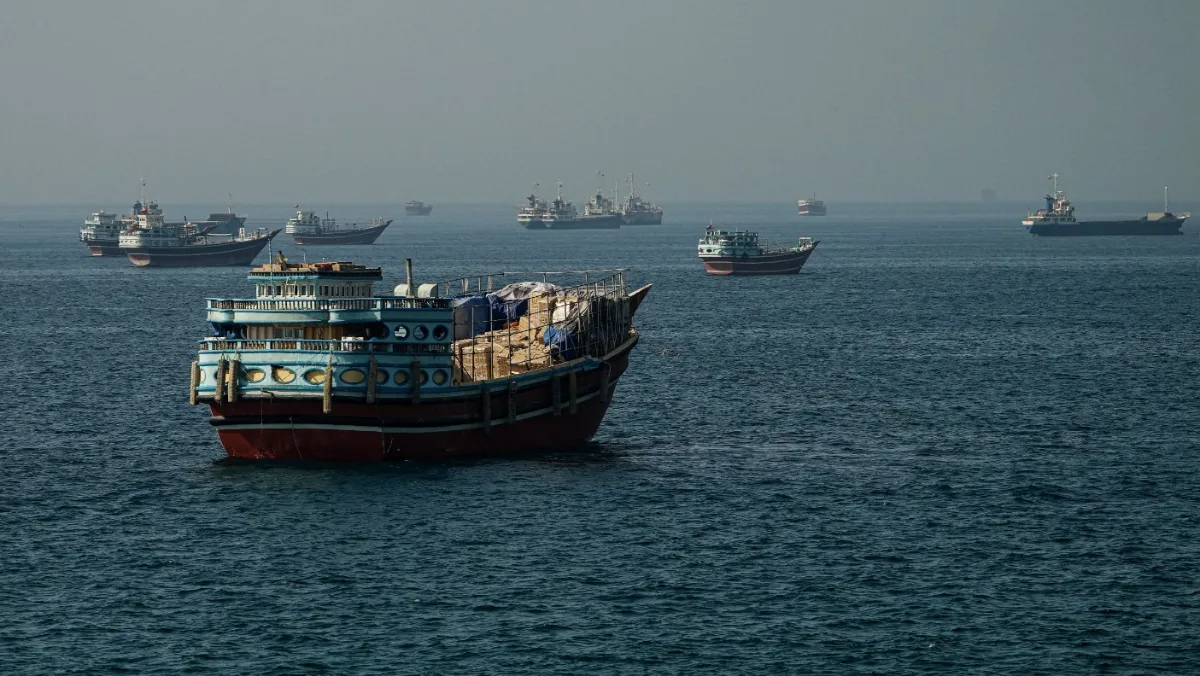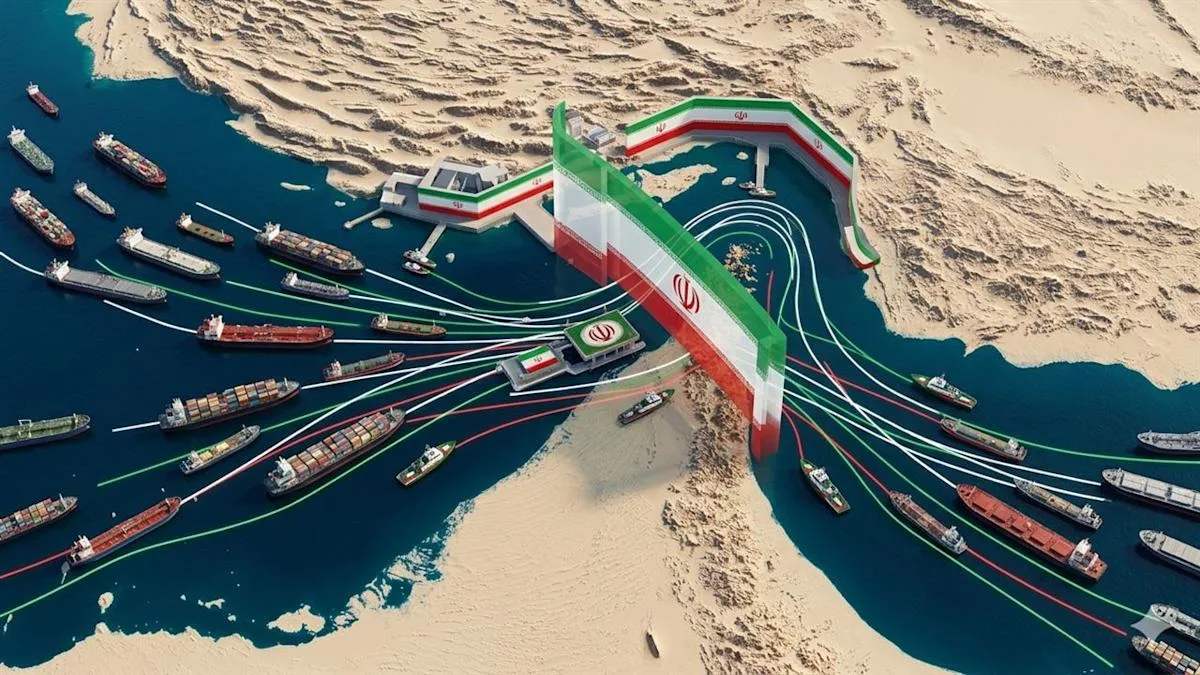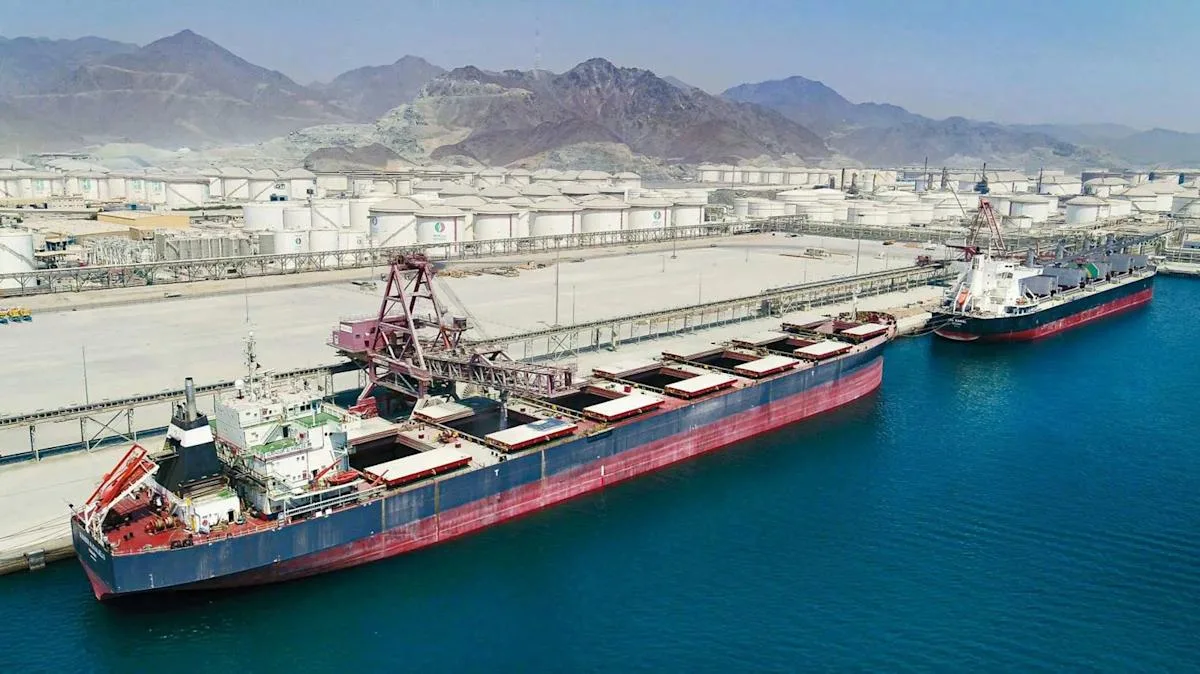
In the past month, US forces coordinated the transit of about 70 merchant ships through the Strait of Hormuz, providing route planning and communications support without direct military escort, according to multiple sources [1, 2, 3, 4].
Shipping traffic remains far below pre-conflict levels, averaging about 3 US-coordinated merchant ships daily, compared to over 100 daily vessels before the Iran conflict [1, 2, 4]. Many vessels turned off their AIS transponders during passage to evade detection and targeting by Iranian forces, limiting independent verification of ship movements [1, 2, 3, 4]. At least one coordinated route hugged the Oman side of the narrow strait to avoid Iranian coastal waters [1, 2, 3, 4].
US Central Command confirmed it does not directly escort commercial vessels but remains in active communication to facilitate safe passage [5, 6, 7, 8, 9, 10, 11]. The command spokesman Tim Hawkins said, “The Strait of Hormuz is vital not only for the Middle East but as a key international shipping route for the global economy. While US forces do not escort ships, we maintain coordination with commercial vessels seeking safe transit” [3].
Several shipowners reported incidents where Iranian fast boats appeared to target merchant ships, which were then driven off by unidentified helicopters, allowing the ships unharmed passage through the strait [5, 6, 7, 8, 9, 10, 11]. An anonymous industry shipowner described how "fast boats targeted vessels during transit, but suddenly multiple helicopters appeared and forced them away, enabling the merchant ships to exit safely” [5].
About 25% of non-Iranian vessels that had been stuck in the strait since the conflict started have since escaped, suggesting cautious improvement in shipping flows [5, 6, 7, 8, 9, 10, 11]. However, the actual number of ships transiting may be higher than recorded because many recent vessels switched off satellite transponders and have yet to reactivate them [1, 5, 6, 8, 9, 10, 11].
US forces have interdicted six vessels attempting to enter Iranian ports in violation of US blockade rules. On May 29 or 30, US Central Command disabled a Gambian-flagged cargo ship with a Hellfire missile after it ignored warnings [6, 9, 10, 11].
Shipping companies remain cautious about a full recovery until a durable peace agreement is reached between Washington and Tehran. Patrick Pouyanne, CEO of TotalEnergies, said, "Unless there are clear signs of lasting peace, we will not consider sending our ships back to the Persian Gulf" [7]. Industry experts expect a rapid shipping surge once the strait fully reopens, driving tanker freight rates higher due to the need to replenish global oil stocks depleted during the conflict. Capital Tankers CEO Gerasimos Kalogiratos noted, "There will be a short-term rush once Hormuz fully reopens, with tanker rates remaining high as oil inventories are rebuilt" [7].
US coordination of merchant traffic through the Strait of Hormuz will likely continue through early June, with authorities maintaining communications channels to enable safe navigation amid ongoing tensions.