The US Supreme Court on June 15 declined to hear an appeal from importers challenging tariffs placed on $370 billion of Chinese goods during President Donald Trump’s first term, effectively upholding the duties. [1, 2, 3, 4]
The tariffs were originally imposed in 2018 under Section 301 of the 1974 Trade Act, targeting $50 billion worth of Chinese imports in response to unfair trade practices. In 2019, the coverage expanded to $370 billion after China imposed retaliatory tariffs on US goods. [1, 2, 3, 4]
The legal dispute focused on whether Trump overstepped his authority by using Section 307 of the Trade Act to modify and broaden the tariff list. Importers argued that Section 307 does not allow major changes. However, the US Court of Appeals for the Federal Circuit ruled in September 2025 that the term "modify" does not limit the president’s ability to adjust tariffs to a significant degree. [1, 4]
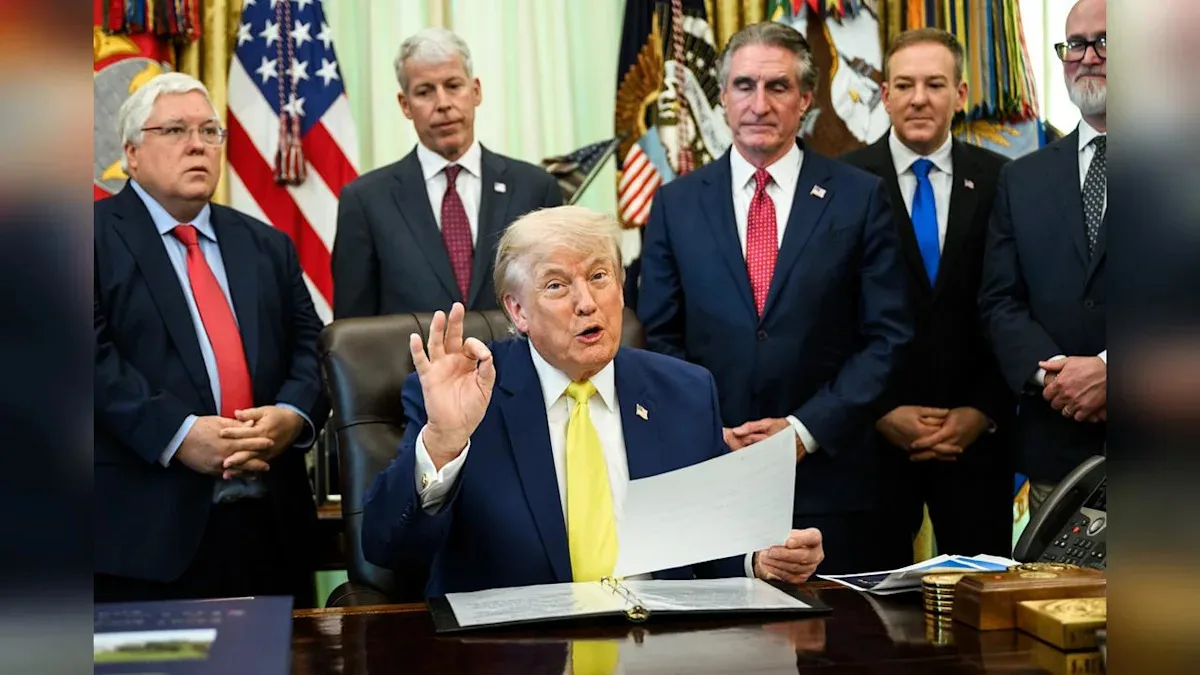
US Solicitor General D John Sauer defended the tariff expansions, stating, "It is hard to imagine an action more clearly authorised by a statute." He argued the moves were a congressional response to China’s retaliatory measures. [1]
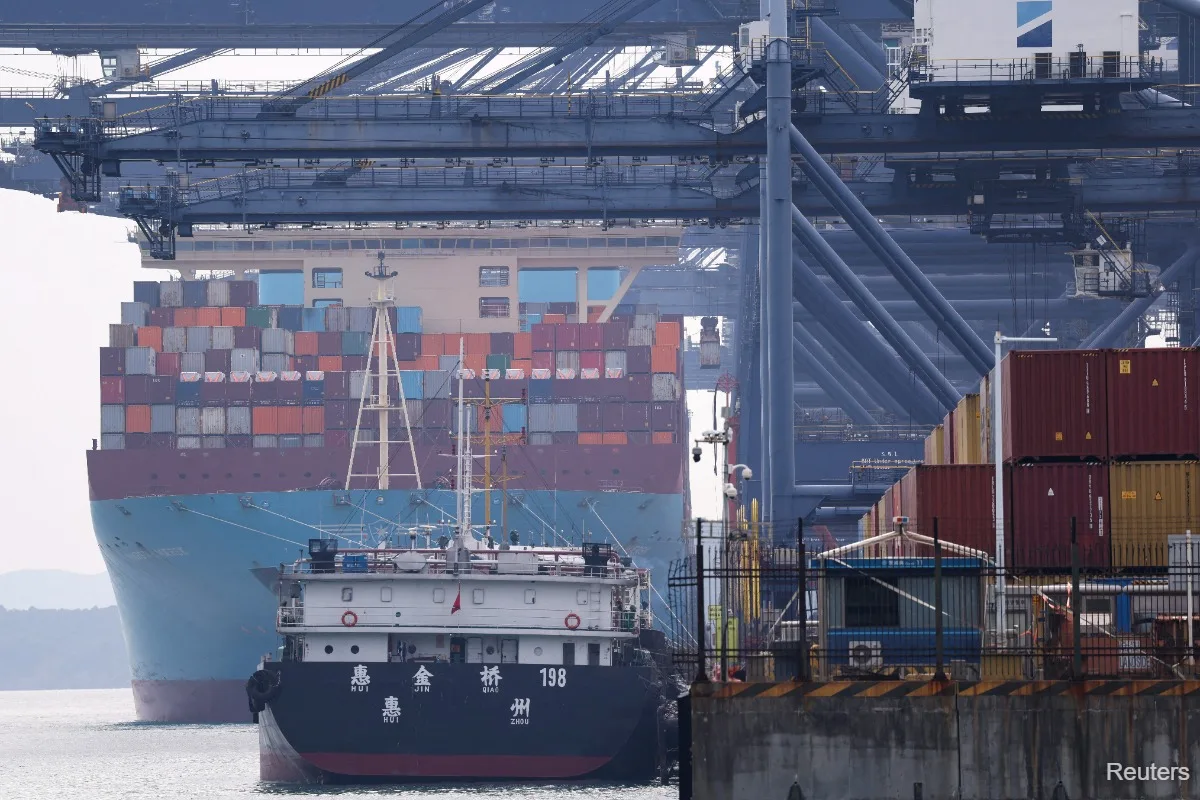
Customs data shows US importers continue to pay over $35 billion annually in tariffs under the expanded Section 301 duties. [1, 2, 3, 4]
With the Supreme Court’s refusal to take up the case, the Federal Circuit’s ruling stands, allowing the tariffs to remain in place. This leaves importers bound to continue paying the duties unless new legislation or executive action changes the tariff structure.
The Trump administration's original tariff imposition in 2018 and the expansion in 2019 remain central milestones in ongoing US-China trade tensions. [1, 2, 3, 4]