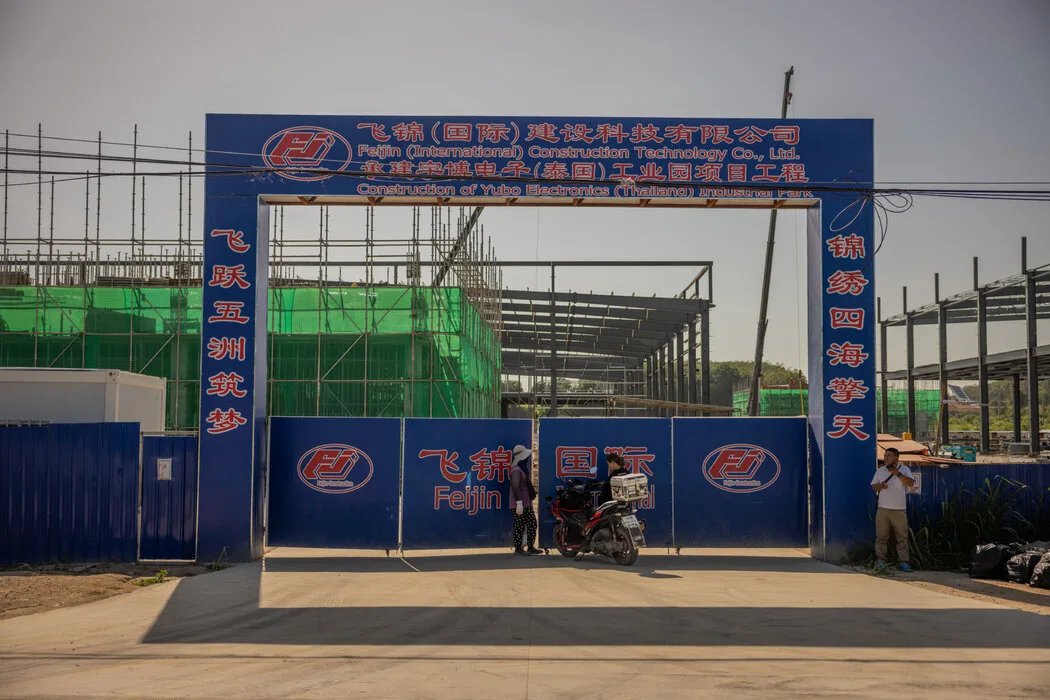
US tariff reductions on Chinese imports have led several companies to reconsider their supply chains and return some production to China as of August 2026 [1, 2, 3, 4]. Tariffs that peaked near 145% in 2025 under the Trump administration prompted many firms to relocate manufacturing to Southeast Asia, including Thailand and Vietnam [1, 2, 3, 5, 4]. However, recent policy changes lowered the overall US weighted tariff rate on Chinese goods to just above 23%, comparable to tariffs on certain Southeast Asian imports [1, 2, 3, 4].
Last week, the Trump administration imposed a new 12.5% tariff on Chinese exports, reinstating measures previously invalidated by the US Supreme Court [1, 2, 3, 4]. Despite this, the tariff reduction narrowed the gap between Chinese and Southeast Asian costs. Phil Laster, COO of Alliance Consumer Group, confirmed his company has partially shifted production back to China, stating, "Have we pulled back to China? Yes, we have." [1]
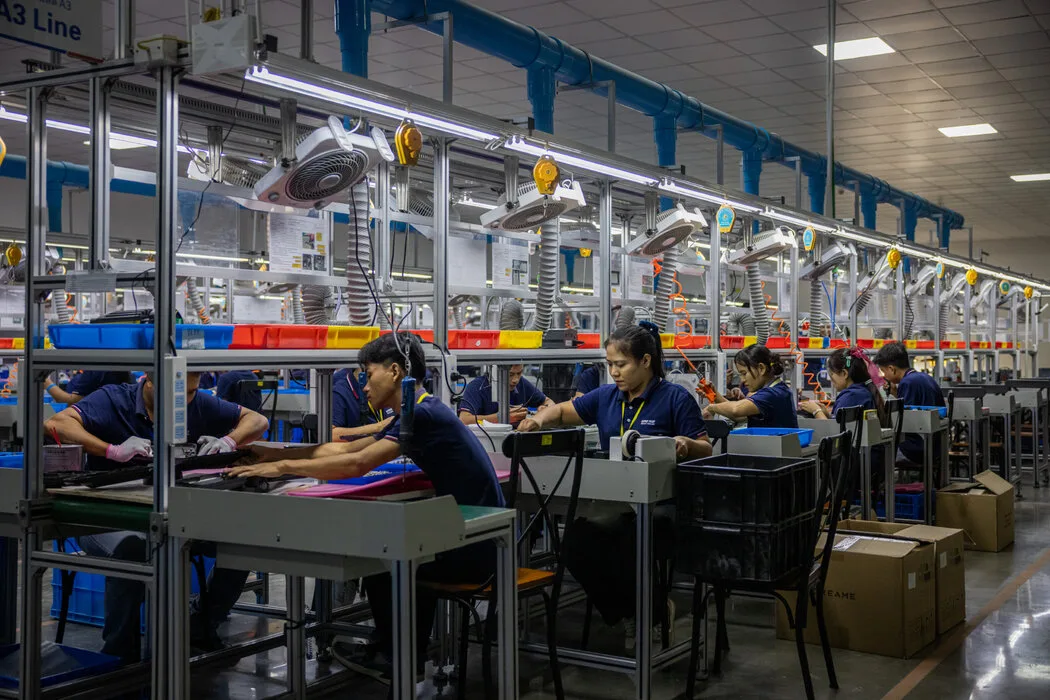
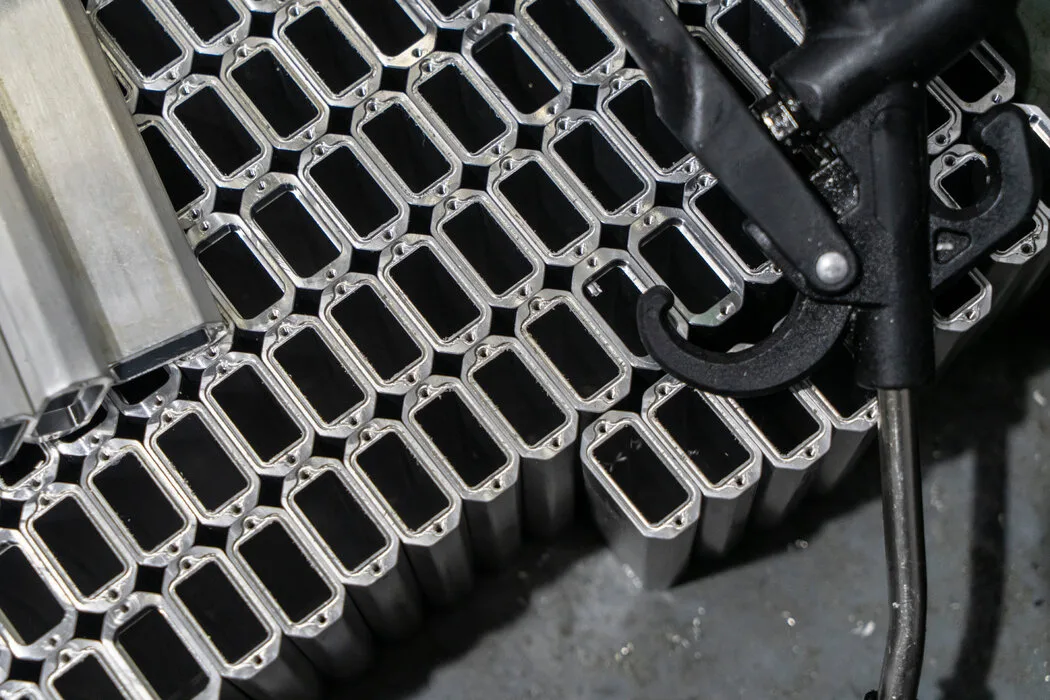
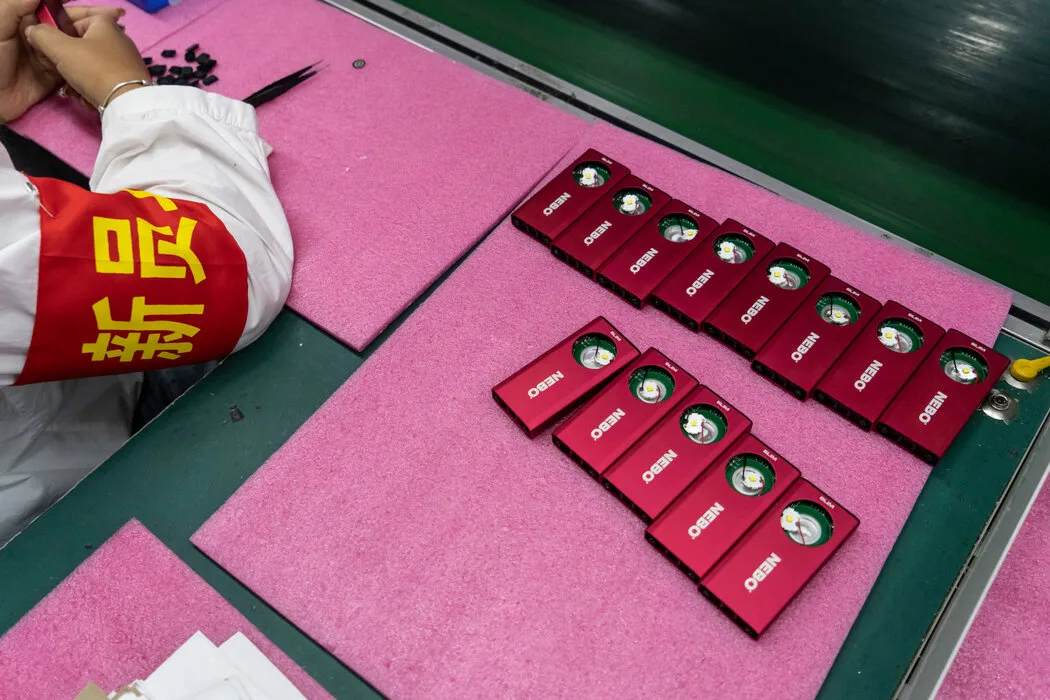
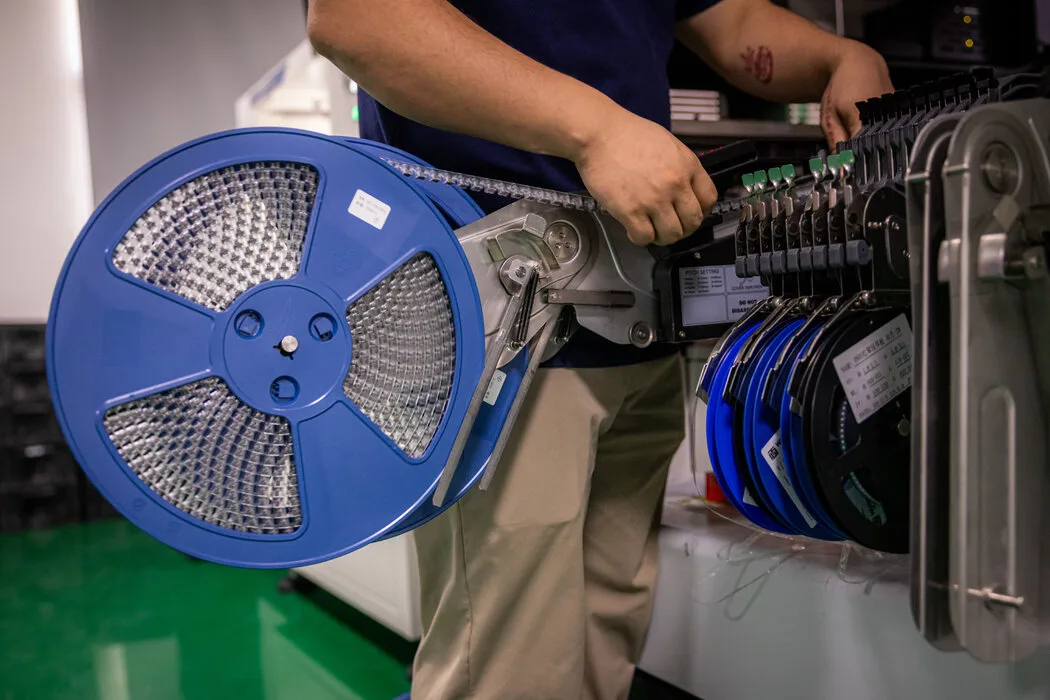
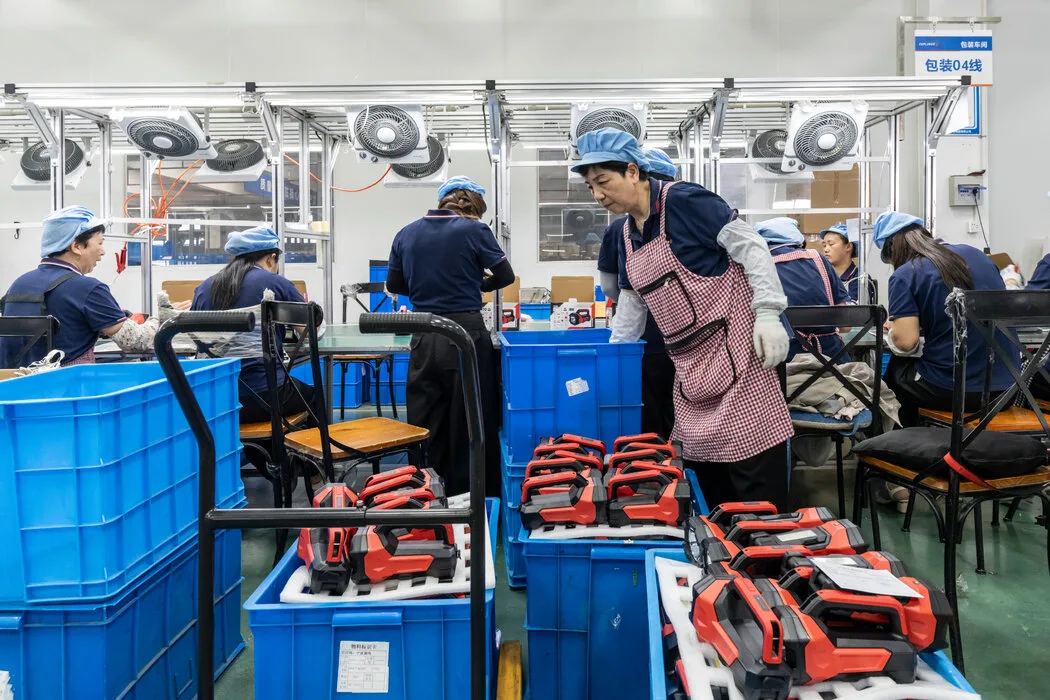
Producing goods like flashlights remains cheaper in China; costs in Thailand run about 15% higher due to factors including more expensive raw materials, transport expenses, and less developed supply chains [1, 2, 3, 4]. The Chinese city of Xidian alone accounts for roughly 60% of the world’s flashlight production and benefits from economies of scale and proximity to major ports [1]. Supply disruptions such as fuel shortages in Southeast Asia have also influenced some companies to reconsider their offshoring decisions [1].
US Trade Representative Jamison Greer cautioned businesses against depending too heavily on China again, saying, "I think, overall, people understand the big picture. They understand the high-risk nature of overdependence on China." [1] Meanwhile, analysts expect the US to maintain moderate tariffs on Chinese goods to stabilize trade relations and avoid retaliation [1, 2, 3, 4].
The Trump administration is currently investigating manufacturing subsidy policies and may announce additional tariff measures in the coming weeks [1]. Companies including Alliance Consumer Group are adjusting to these evolving trade policies while weighing cost advantages against geopolitical risks [1, 2, 3, 4].