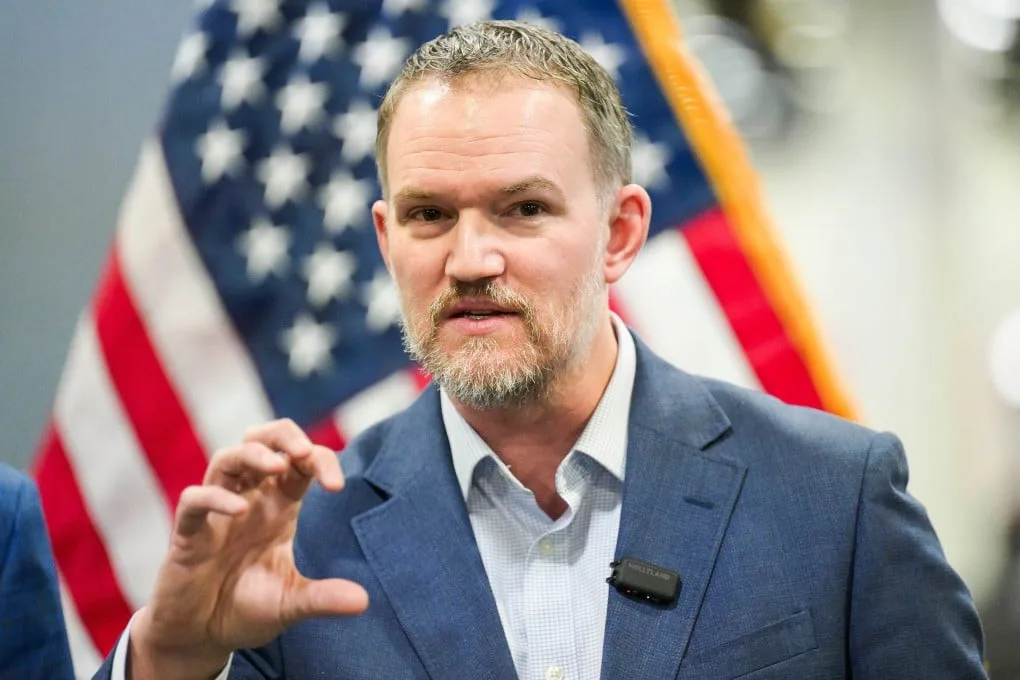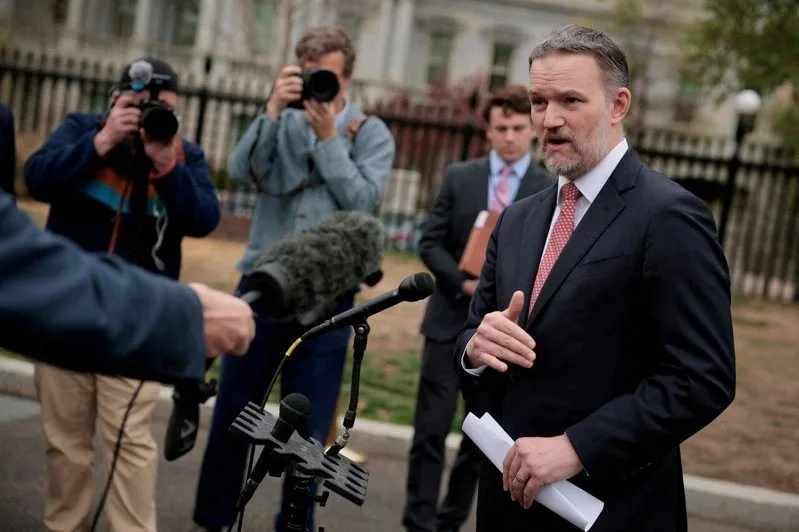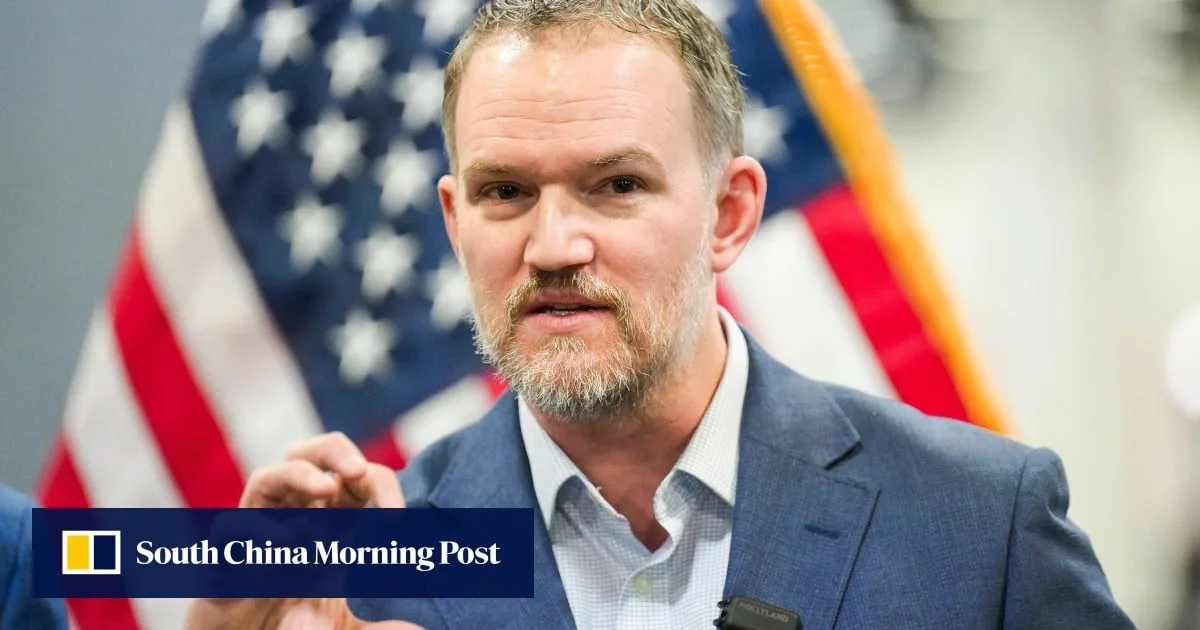
US Trade Representative Jamieson Greer said the government will seek public input on which Chinese goods should qualify for lower tariffs covering about $30 billion worth of non-strategic products. The announcement came on May 26 as part of ongoing efforts to ease trade tensions while maintaining some barriers against China [1, 2, 3, 4, 5, 6].
Greer also confirmed that the US and China have agreed to form a "Board of Trade" that will oversee tariff reductions on roughly $30 billion worth of Chinese goods and an equal amount of US exports to China. The Chinese goods targeted for tariff cuts are specifically identified as non-strategic items eligible for partial or full elimination of tariffs [1, 2, 3, 4, 6].
Despite the tariff cuts, Greer noted that US tariffs on Chinese products will likely remain higher than those for other countries. He stated, "I get to keep tariffs on China, which is pretty awesome," emphasizing a managed approach rather than broad concessions [1, 2, 4, 5].
The US 10% global tariff imposed under Section 122 of the 1974 Trade Act, introduced during the Trump administration, is set to expire in July 2026. However, Greer explained the law does not prohibit reinstating or replacing these tariffs after expiration. He said, "The law just says when the tariff expires, but it doesn't say it can't be restarted," and added, "I do not think Congress intends to limit the president to only one use of Section 122 in a single term" [7, 8, 9, 10, 11].
Ongoing US trade actions focus on Section 301 investigations to develop new tariff measures to take effect after the July expiration [7, 9, 10].
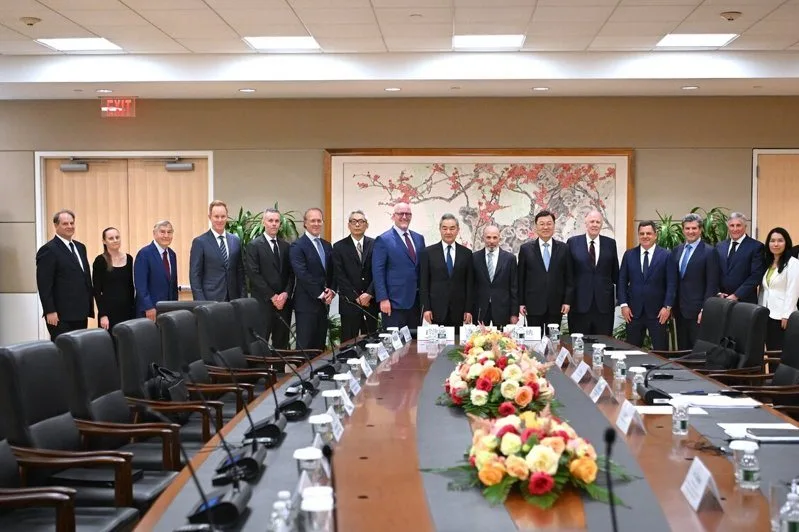
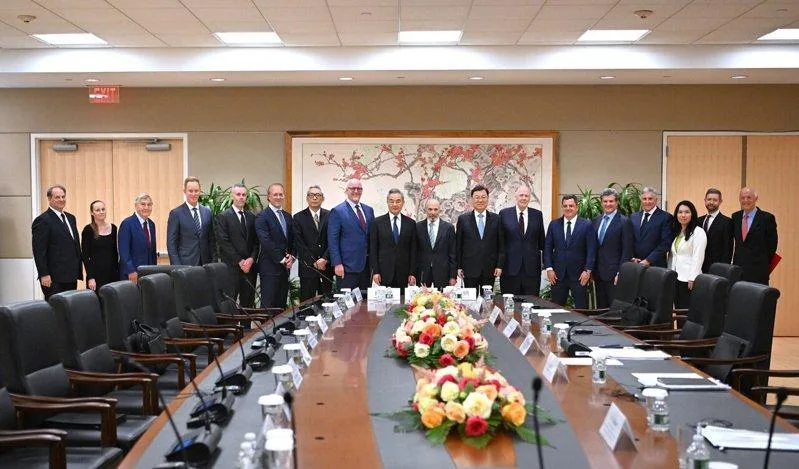
From the Chinese side, Commerce Ministry spokesperson He Yadong affirmed that China-US economic teams will maintain close communication to finalize the arrangements. He said, "We hope the US side will honor its commitments and create positive conditions for expanding economic cooperation" [3, 6].
Chinese Foreign Minister Wang Yi also emphasized the need to stabilize bilateral trade by implementing the leaders' consensus and fostering constructive strategic stability [3].
Greer acknowledged that comprehensive economic reforms from China are unlikely but stressed a focus on managed trade. He said, "We have come to terms that there will not be some giant comprehensive reform of the way the Chinese political system works, including all economic elements, but we can have some managed trade." He added that the US maintained tariffs and made no major concessions at the Trump-Xi summit, confirming a strategy of strategic stability [1, 2, 4, 5].
Meanwhile, on May 27 the US announced new tariff preferences for some Taiwanese non-semiconductor goods, retroactive from May 1. These include reduced Section 232 tariffs on automotive parts and wood products [10, 11, 6].
The US is expected to publish a federal register notice detailing the public consultation process on tariff cuts for Chinese goods soon. The July expiration of the Section 122 global tariff will also prompt new policy decisions.