The US Treasury announced on August 19 that it would at least double its buyback operations of long-term government bonds from $20 billion to at least $40 billion per operation, targeting 10- to 30-year maturities starting September 9 through November 4, 2026 [1, 2, 3, 4, 5, 6, 7]. Treasury Secretary Scott Bessent said operations could exceed $40 billion each and estimated about $32 billion in quarterly buybacks [8, 9].
This move aims to curb the surge in long-term Treasury yields, which had hit highs not seen since 2007, with the 30-year yield reaching a 19-year peak of about 5.34% on August 18 before falling roughly 9 basis points to about 5.2% after the announcement [5, 6, 10]. The 10-year yield also dropped 5-6 basis points to 4.64%-4.65% as bond prices rose [1, 4, 5]. Analysts called the buybacks a form of "yield curve control" meant to keep borrowing costs down amid rising market pressure [8, 9].
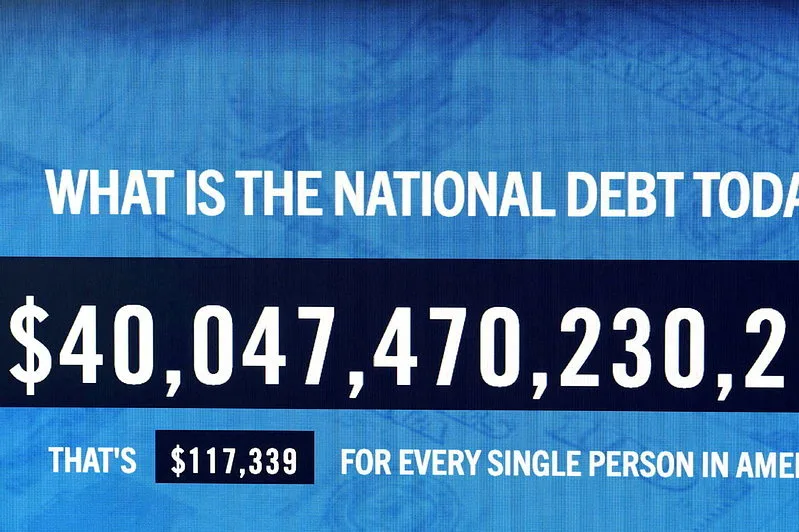
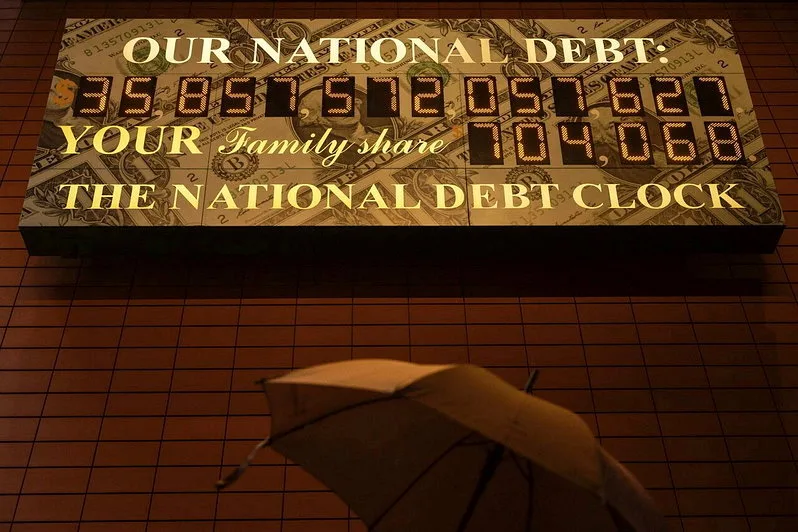
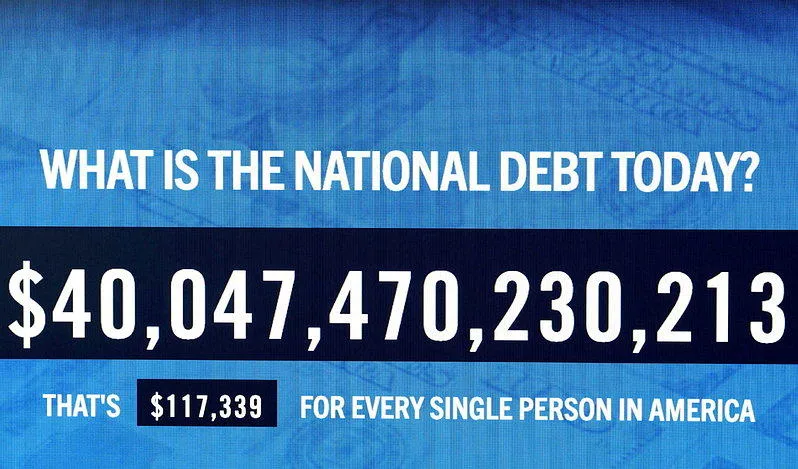
The Treasury’s effort comes as total US government debt surpassed $40 trillion and follows a surge in investment-grade corporate bond issuance, which rose 36%-38% year-on-year in 2026, partly driven by tech firms funding AI infrastructure [5, 11]. September is expected to see heavy corporate bond issuance, potentially up to $200 billion [4]. Market observers noted that while the buybacks may provide liquidity and ease short-term pressure, they are unlikely to resolve structural challenges from large deficits and growing debt [4, 11, 6]. Jefferies' Thomas Simons expressed doubts about the program’s sustainability, saying it makes predicting Treasury bill supply even more difficult [4].
Some market experts warned that the buybacks could damage the credibility of the Treasury’s predictable debt issuance policy, leading investors to demand higher term premiums and potentially pushing yields up long term [4, 11]. John Briggs of Natixis said, "If yields rise too much, the Treasury will try to fight back. Now we know the pain point" [1]. Citi's Dan Gottlander added, "It obviously won’t change the deficit, and if you want to buy back long bonds, you still have to issue bonds" [6].
The Treasury plans to finance the expanded buybacks partly by issuing more short-term Treasury bills, effectively shortening debt maturities to better manage costs [4, 5, 6]. According to market surveys, two-thirds of participants expect the 10-year Treasury yield to rise above 5% by the end of 2026, potentially as soon as August or September [11]. The buyback program officially starts September 9 and runs through November 4, 2026 [4, 5, 6].