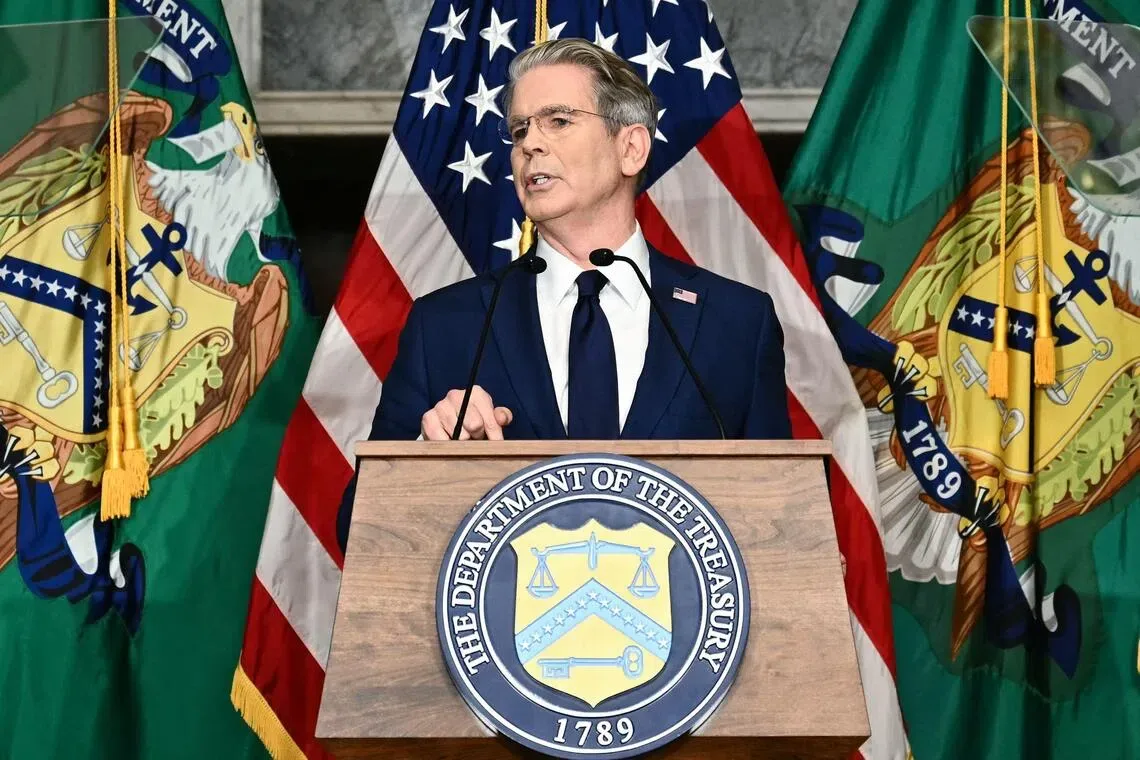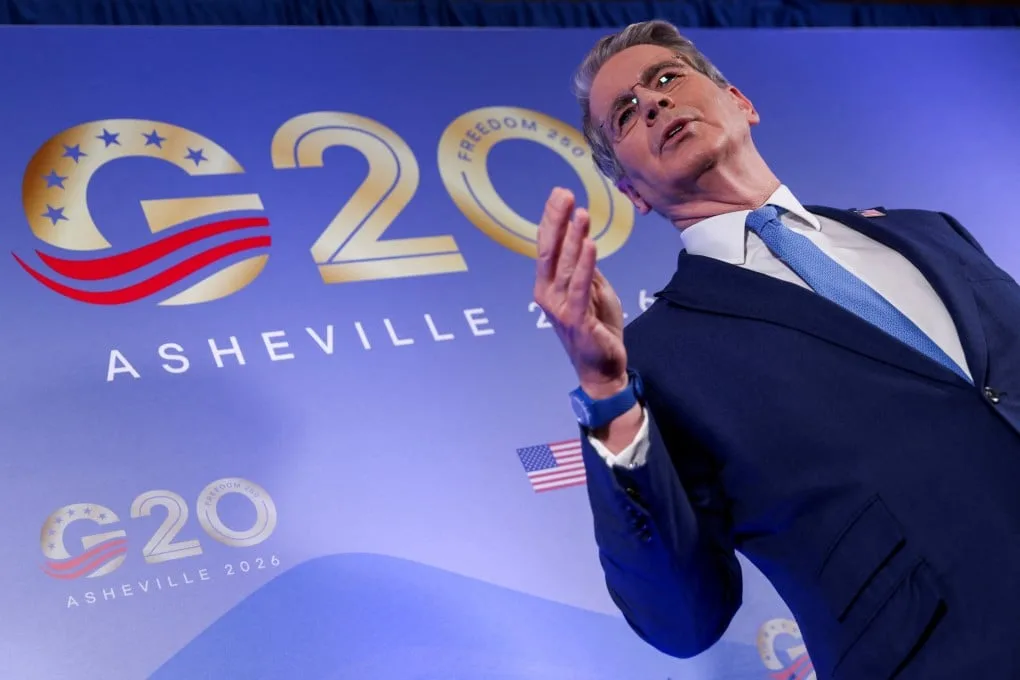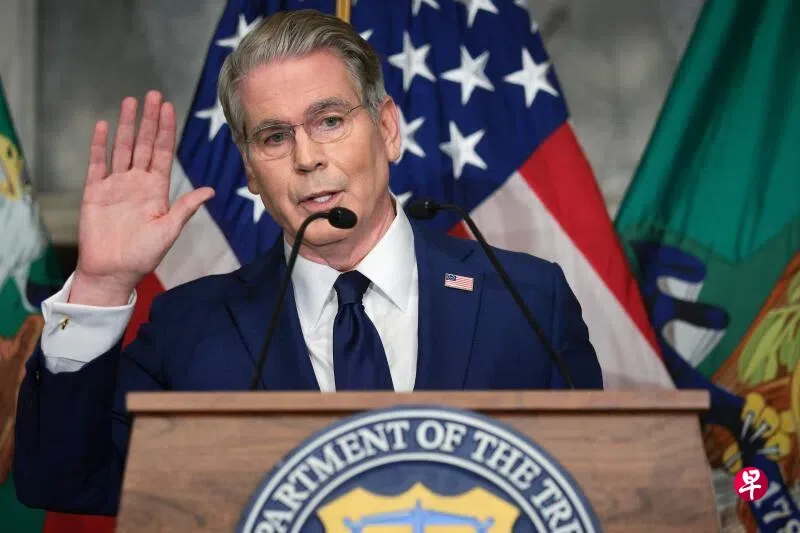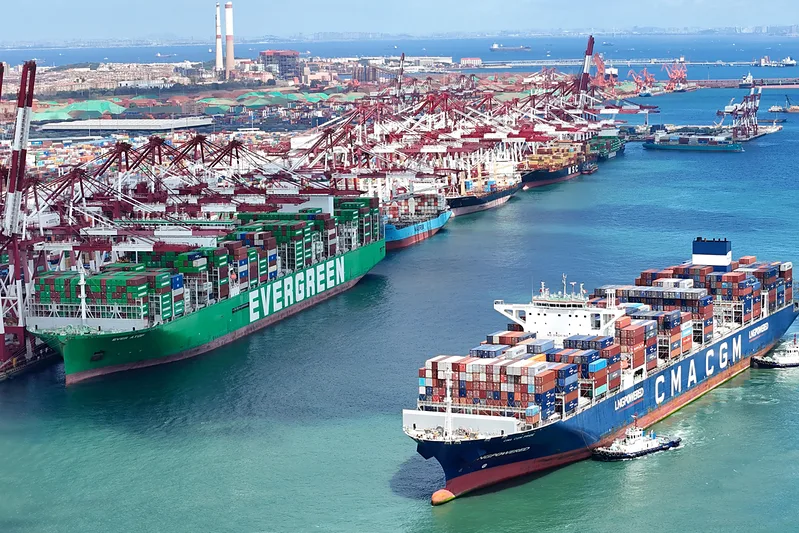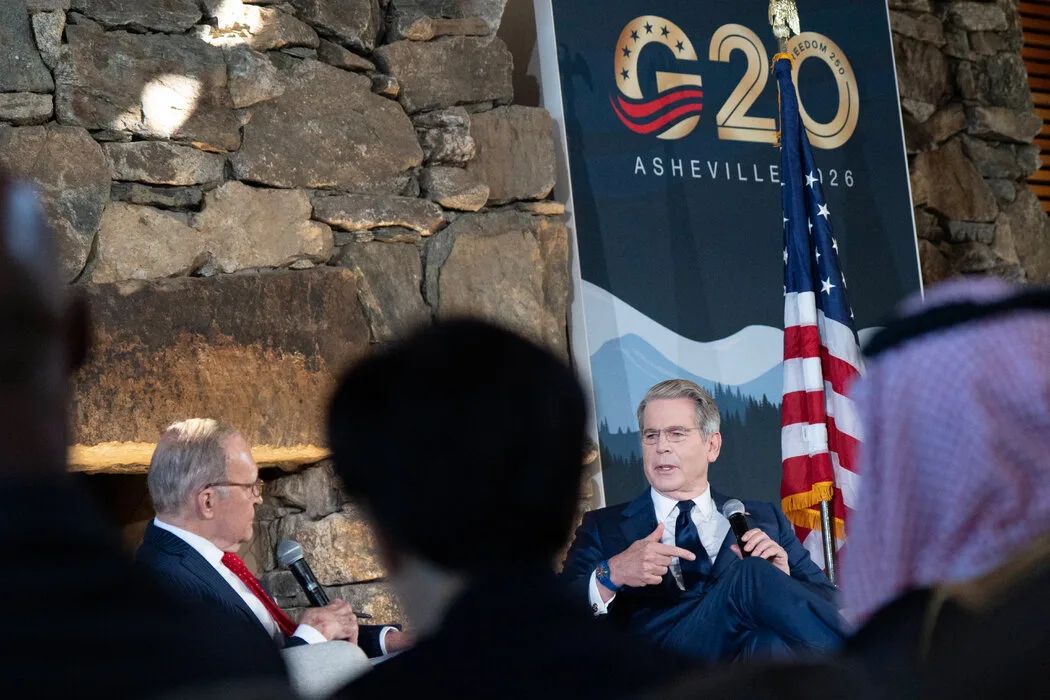
US Treasury Secretary Scott Bessent urged G20 members to re-examine their trade terms with China during the August 31 to September 1 G20 finance ministers meeting in Asheville, North Carolina. He called China's roughly US$1.2 trillion trade surplus in 2025 unsustainable and stressed the need to shift China’s growth model from export-led to domestic consumption-driven growth [1, 2, 3, 4, 5, 6].
"The world cannot have a China with a US$1.2 trillion trade surplus," Bessent said. "The rest of the world is going to have to examine their terms of trade with China," he added [1].
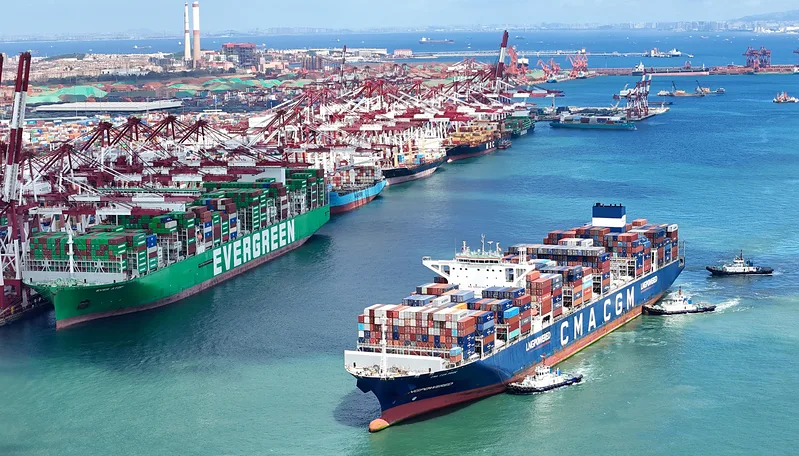
Despite rising tensions, the bilateral US-China trade position has improved rapidly, though the US has imposed high tariffs and bans on certain Chinese goods such as automobiles. As a result, China has diverted some exports to Europe and Latin America [1, 2, 3, 4, 5]. Bessent suggested there may be room for tariff relief on about US$30 billion of non-strategic, non-critical goods on both sides [4, 7]. He said, "I think there is roughly 30 billion dollars worth of non-strategic, non-critical goods that both sides can remove tariffs on" [4].
China opposed including critical language on its export strategy in the G20 joint statement, causing the meeting to end without a consensus communiqué. Instead, the US issued its own chairman's statement [8]. A spokesperson for the Chinese foreign ministry said China does not deliberately seek trade surpluses and opposes unilateral tariff measures, rejecting accusations that it bears sole responsibility for global imbalances [9].
Economic experts and European officials discussed coordinated RMB appreciation to address imbalances, but Bessent expressed skepticism of this approach [4, 7, 9]. The G20 discussions also covered sovereign debt and excess industrial capacity, as well as increased US calls for enforcing sanctions on Iran. Bessent predicted regional tensions would ease, saying the Strait of Hormuz will become "a worthless body of water" in two years as disruptions end [8].
The US trade deficit with China was about US$73.9 billion in the first half of 2026. China’s exports surged 23.9% in July compared to a year earlier, reflecting ongoing trade pressures [4, 7, 5]. The RMB has been estimated to be undervalued by up to 21% [4, 7].
The meeting set the stage for a planned US-China summit between President Trump and Chinese President Xi Jinping expected in late September 2026 [4, 7]. This event may offer a platform to address tariff issues and trade tensions directly.