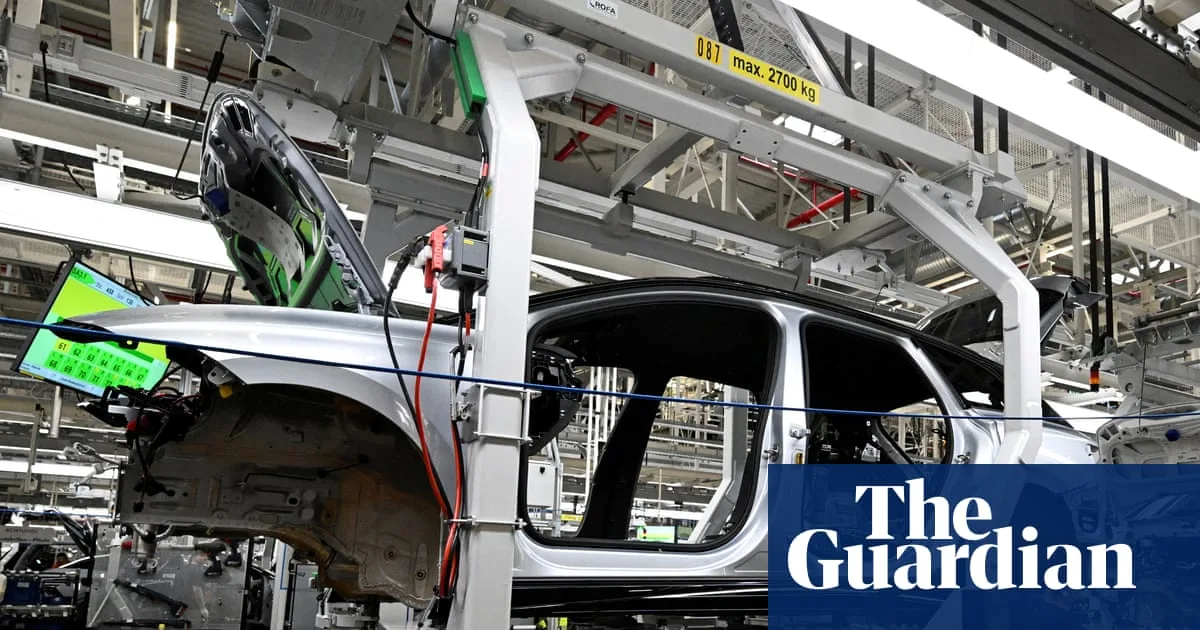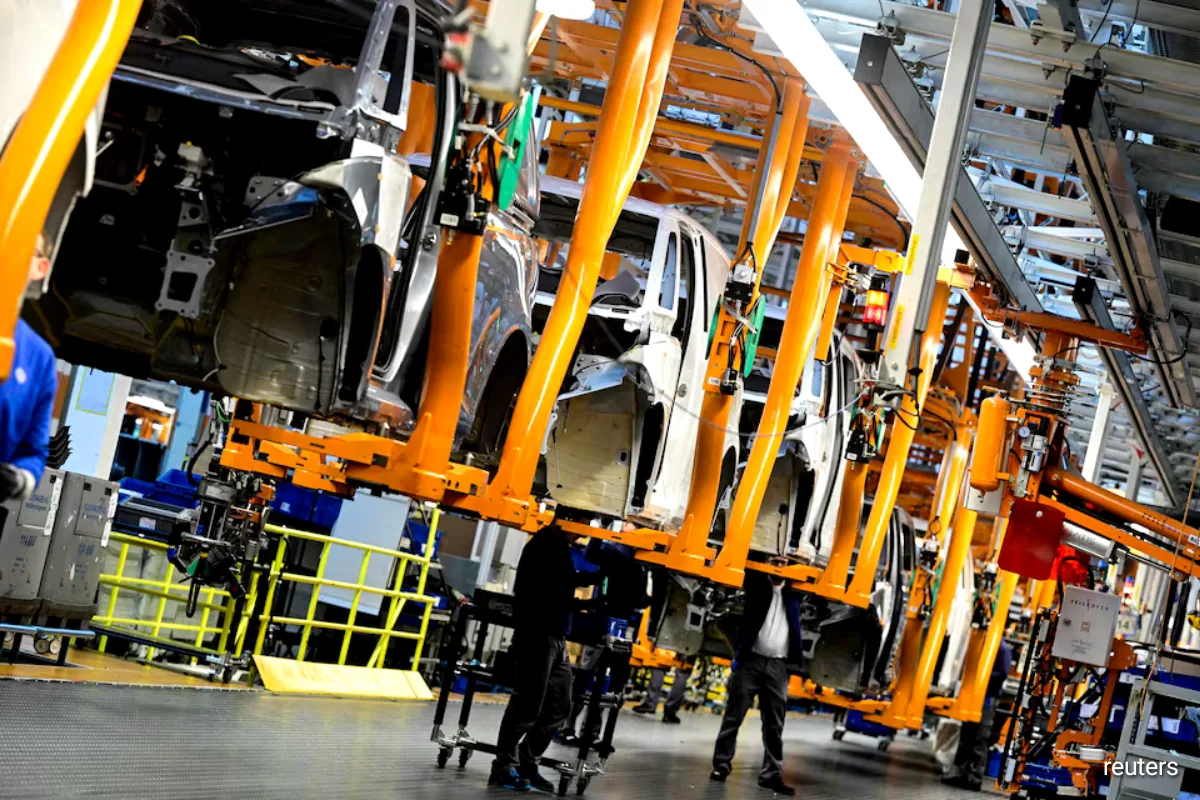
Volkswagen is preparing a plan to cut as many as 100,000 jobs worldwide by 2030 in a broad restructuring effort to reduce costs and adjust to market changes [1, 2, 3, 4, 5]. The company currently employs about 675,000 people globally [5].
The proposal includes closing or downsizing between four and five German factories, notably in Hanover, Emden, Zwickau, Neckarsulm, and Osnabrück [2, 3, 4, 5]. The Osnabrück plant is slated to cease production and transfer to Israeli defense firm Rafael in 2027 to manufacture Iron Dome missile systems [5]. Volkswagen also aims to cut its model lineup by up to half and focus on high-margin segments as part of the strategy [6].
At a July 9 supervisory board meeting in Wolfsburg, Volkswagen’s leadership was set to discuss these plans amid strong pushback from labor unions and protests at 18 sites across Germany organized by IG Metall [2, 3, 4, 5]. IG Metall chair Christiane Benner criticized management for shifting blame onto workers, stating, "[The CEO] cannot ‘pass the buck for failures of recent years on to the workforce.’" [3]
The German metalworkers' union opposes job cuts and plant closures and has mobilized workers in protests across key Volkswagen sites [3, 4, 5]. The state government of Lower Saxony, where some plants are located, also opposes closures, citing them as unviable for Volkswagen's future [4].
The German Association of the Automotive Industry (VDA) has warned that without bold steps, including potentially allowing foreign ownership of plants, Europe's automotive jobs are at risk of collapse. VDA president Hildegard Müller said, "Reality has overtaken political goals and approaches, increasingly jeopardising jobs. We should therefore open these locations to foreign manufacturers, for example. Every location we can keep here secures jobs." [1]
Volkswagen spokesperson said, "We are tightening our investment portfolio and streamlining our corporate structures. And yes, we will also have to reduce overcapacity." [2]
There is some disagreement on the number of job cuts directly tied to factory closures. Some sources estimate up to 50,000 cuts linked to plant shutdowns, while others say the total reduction may reach 100,000 across all restructuring efforts by 2030 [1, 2, 3, 4, 5].
The automotive industry faces significant overcapacity in Europe, with more than 5 million vehicles worth of excess production capacity, equivalent to about 35 production sites [1]. The sector supports an estimated 3 million jobs, including indirect positions [1, 3].
Volkswagen’s supervisory board plans to finalize decisions at its July 9, 2026, meeting in Wolfsburg, marking a key milestone in the unfolding restructuring and cost-cutting process [2, 3, 4, 5].