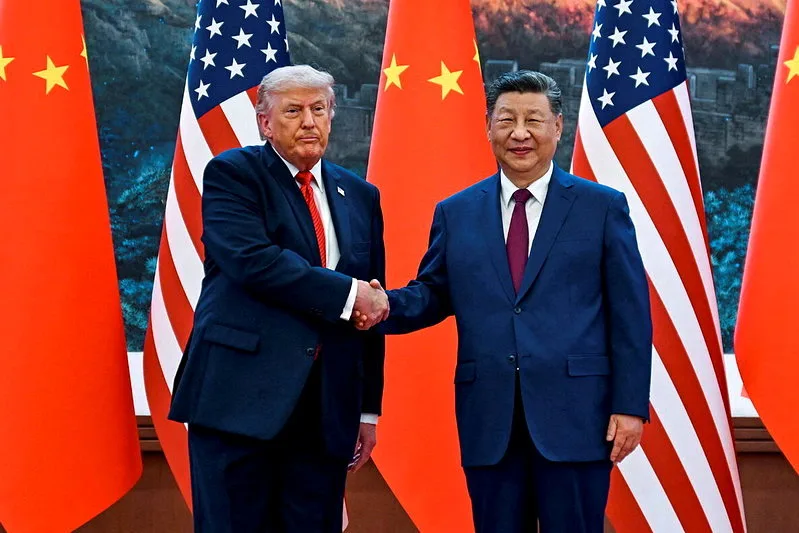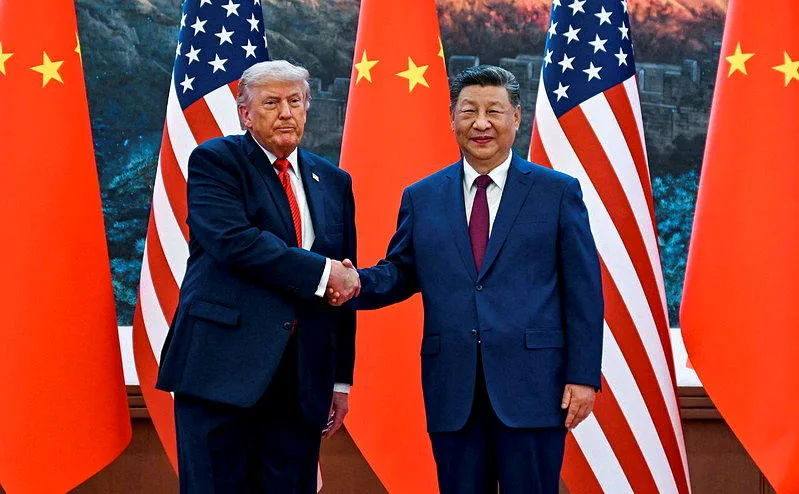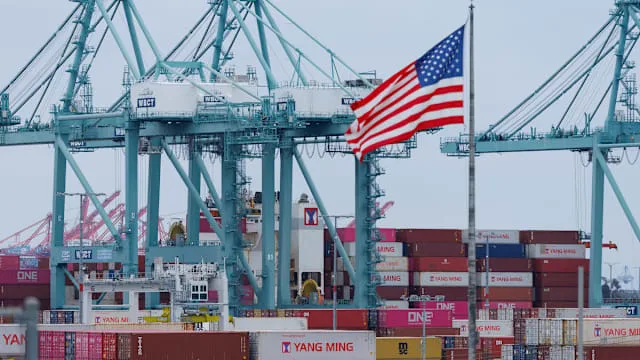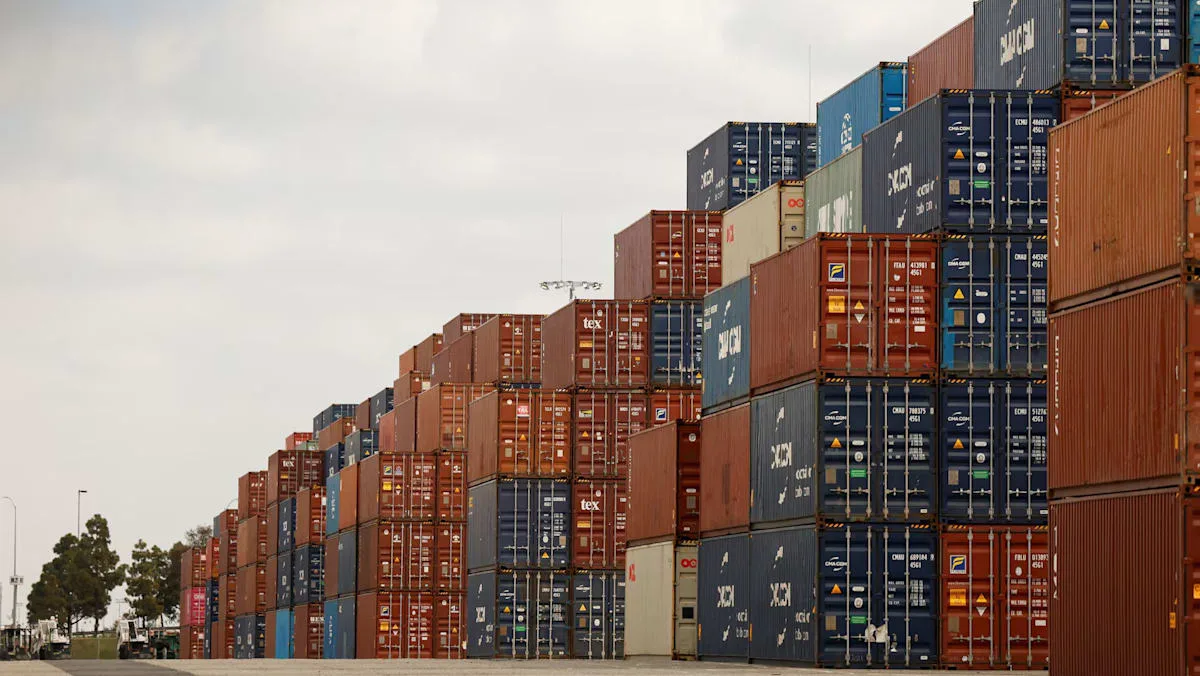
The White House released a report on August 13 titled "The Great Transshipment Scam," identifying more than 40 countries that assist China in evading US import tariffs by transshipping goods through third countries with lower tariff rates [1, 2, 3, 4, 5]. Taiwan is listed in the report’s top tier of "Diversified Scale Leaders" alongside Canada, the EU, India, Israel, Japan, Mexico, and South Korea. These countries are flagged for having high volumes of China-affiliated goods and diverse industrial bases, increasing the risk of transshipment abuse [1, 6, 7, 8, 3, 4, 5].
Transshipment tactics described in the report include minimal processing, relabeling, repackaging, and false declaration of origin to disguise shipments originally from China and evade higher US tariffs imposed since 2018 under former President Trump [1, 2, 8, 3, 5]. The annual value of goods involved in such schemes is estimated by various agencies to range broadly from 34 billion to over 3 trillion USD. The White House uses a central estimate of roughly 75 billion USD in transshipped goods annually [1, 6, 2, 9, 10, 3, 11, 5].
These practices are estimated to cost the US government between 19 billion and 26 billion USD each year in lost tariff revenue, while impacting about 450,000 US direct and indirect jobs [12, 9, 10, 11, 4, 5]. India, Mexico, and Vietnam are highlighted as significant transshipment points causing substantial tariff revenue losses [12, 2, 5].
To combat these evasions, US Customs and Border Protection began deploying an AI system called "Detective Border" in the third quarter of 2026. This tool analyzes shipping data, container scans, product compositions, and ownership links to identify suspicious transshipment activities in near real-time [1, 12, 9, 8, 4, 5]. White House Trade Director Peter Navarro said, "Now we can monitor every port, every vessel, and every container headed to the US. The moment the scam occurs, we can assess risk with technological speed" [5].
The report describes a "Shadow Transshipment Network" of processing hubs, logistics centers, free trade zones, and re-export platforms that facilitate disguising Chinese-origin goods [1, 6, 7, 3, 4, 5]. It emphasizes that Taiwan’s inclusion does not accuse its government or companies of intentional wrongdoing but notes the inherent risk of illegal transshipment hidden within large volumes of legitimate trade [8, 3, 4, 5].
Since the tariffs were introduced in 2018, China has increasingly relied on transshipment schemes to avoid enforcement. The US government has begun integrating anti-transshipment clauses into trade agreements and is developing stricter rules on rules of origin to counteract these practices [1, 6, 7, 2, 5].
China’s embassy in Washington opposes the accusations and has pledged to protect legitimate trade rights between the two countries [11].
President Trump signed an executive order in June 2026 tightening import controls and increasing enforcement on importer disclosures to curb tariff evasion [5]. The AI detection system rollout and enhanced enforcement mark the latest steps in US efforts to close the loopholes exploited in the transshipment schemes.