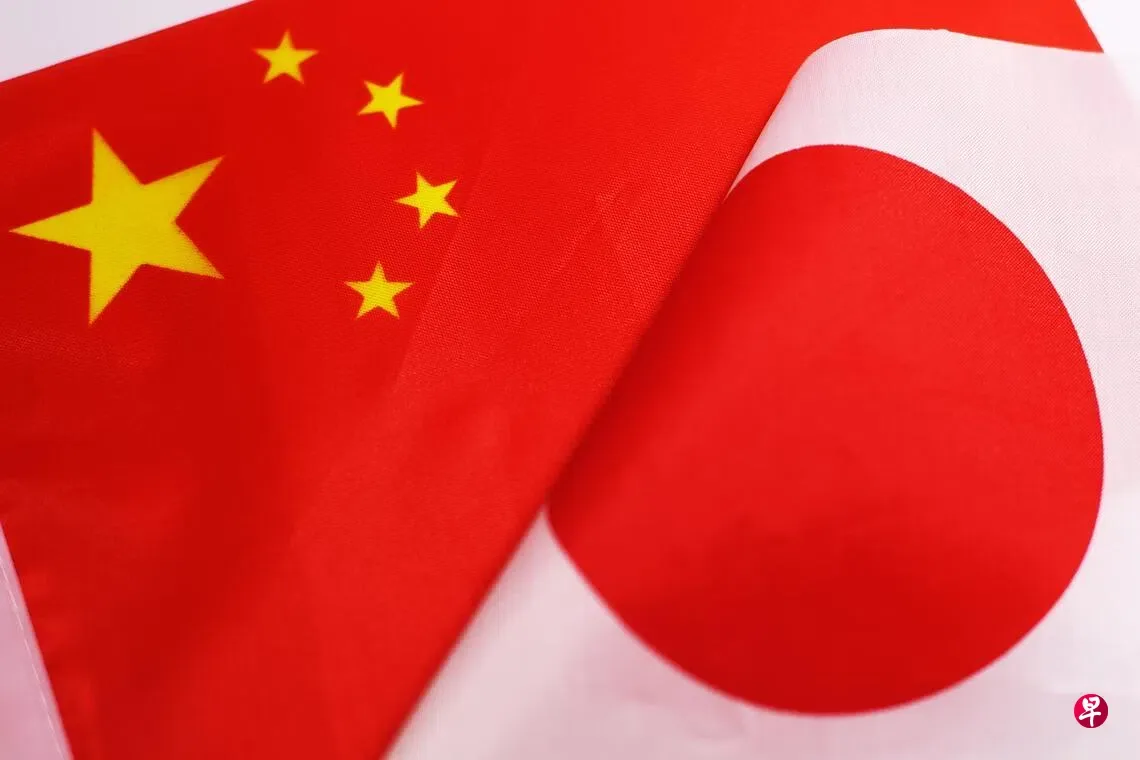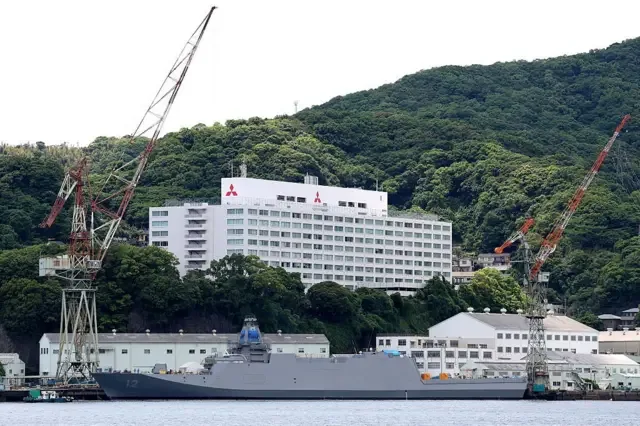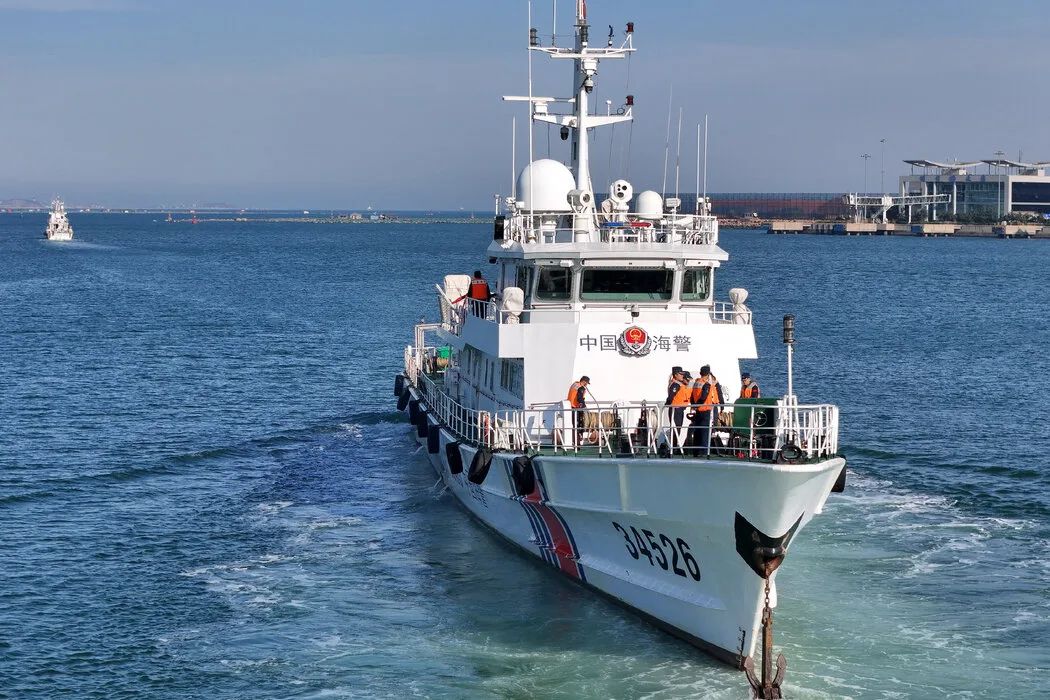
China’s Ministry of Commerce announced on June 29 that it added 40 Japanese entities to its export control lists, increasing tensions between the two nations [1, 2, 3, 4]. Twenty Japanese organizations joined the export control blacklist, including major defense-related institutions like the National Institute for Defense Studies and companies linked to Mitsubishi, accused of aiding Japan’s military build-up [1, 2, 3, 4, 5]. Another 20 firms, such as Mitsui E&S and subsidiaries of Komatsu, were placed on an "attention list" due to concerns over unverifiable end users or uses for dual-use items [1, 3, 5].
China’s blacklisted firms face a ban on receiving dual-use item exports without special licenses. Those on the attention list face strict end-user and end-use verifications, with controls effective immediately from the June 29 announcement [1, 3, 4, 5]. The move brought the cumulative total to about 40 Japanese entities on the blacklist and around 40 on the attention list, roughly 80 firms subject to export restrictions or scrutiny by China [2, 3, 6, 7, 8].
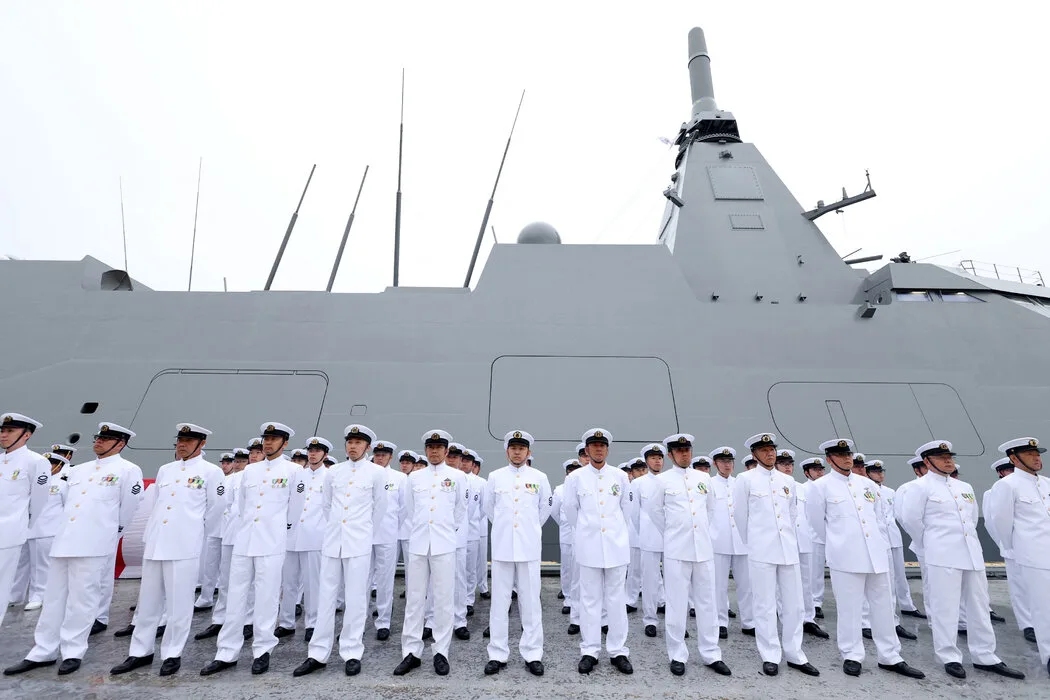
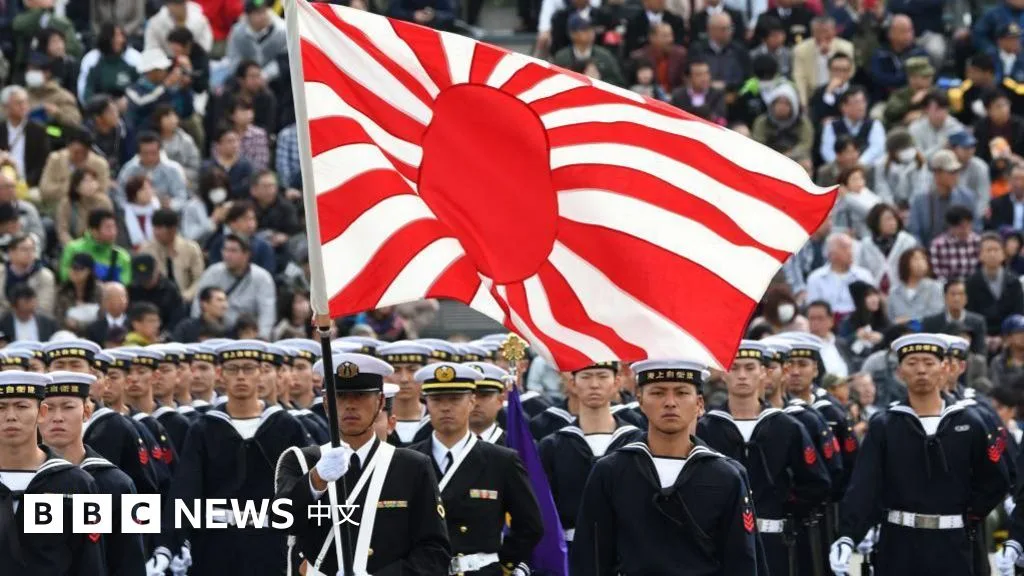
China justified the expanded controls as lawful efforts "to firmly curb Japan's new militarism and remilitarization attempts," citing Japan’s growing military expansions and offensive weapons deployment [1, 2, 4, 5]. A Ministry of Commerce spokesperson said the measures were "entirely justified, reasonable, and lawful" [1]. China views Japan’s military ties with the US and the Philippines as threats, which add to bilateral tensions [2, 9, 4]. Chinese Foreign Ministry Spokesperson Guo Jiakun blamed Japan for worsening relations, accusing it of "erroneous behaviors on Taiwan and military security" [10].
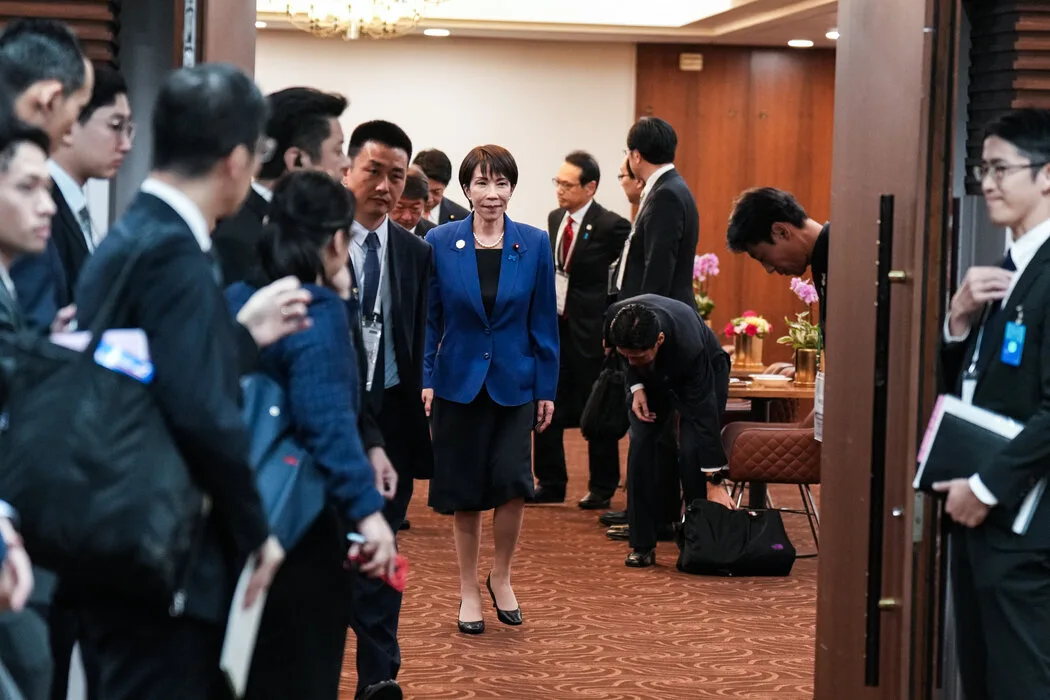
Japan protested strongly. Chief Cabinet Secretary Minoru Kihara called the controls "unacceptable," expressing deep regret and demanding their withdrawal [2, 6, 7, 8]. Analysts link the restrictions to Beijing’s disapproval of Prime Minister Sanae Takaichi’s statements on a "Taiwan contingency" and Japan’s defense policy expansion [2, 9, 6, 4].
The export controls have effectively imposed a near total ban on exports of Chinese rare earths to Japan, critical for the latter’s manufacturing and defense sectors [11, 9, 12]. First Life Economic Research Institute Senior Researcher Shimamine Yoshikiyo explained the controls have made licensing for Japanese companies "extremely difficult and slow," causing shipments to drop to almost zero [11]. In June, China also detained two Japanese nationals in Dalian on suspicion of smuggling rare earth products, highlighting enforcement moves [10, 4, 12].
China’s export restrictions on Japan began earlier this year, with a January ban on all dual-use exports to Japanese military end-users and the first two-list placement in February [1, 2, 4]. The June expansion marks a significant escalation in the curbs.
Japan’s cabinet approval rating stood at 68% in late June 2026, shortly after the new controls [9]. China has said the export curbs do not affect normal trade and honest businesses have no cause for concern, though some analysts dispute this, citing the severe impact on rare earth supply chains [1, 2, 11, 9, 5].