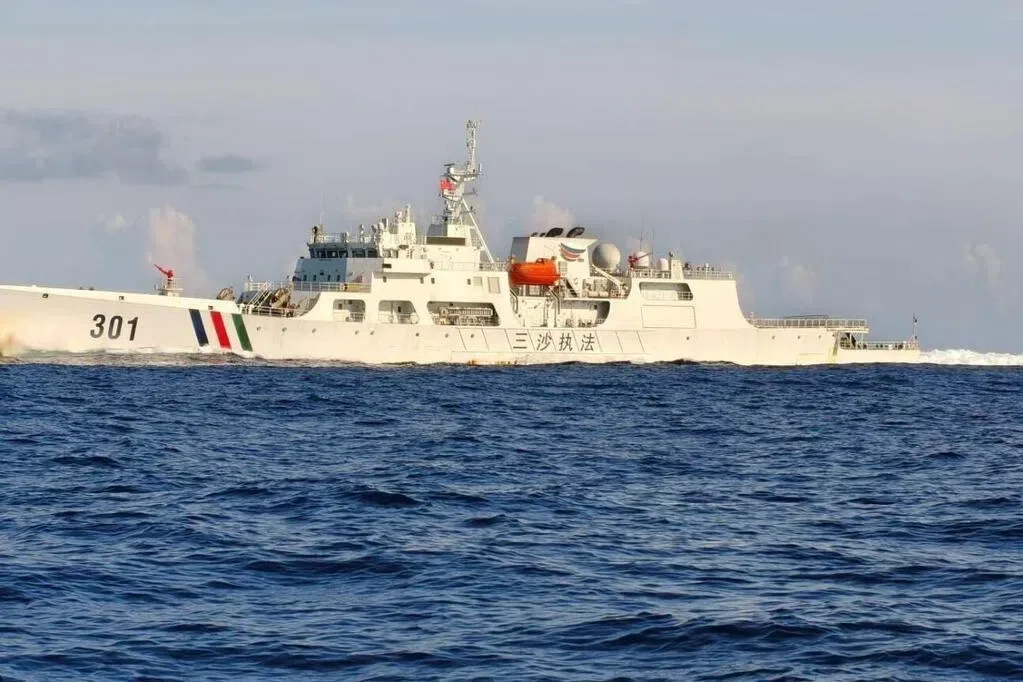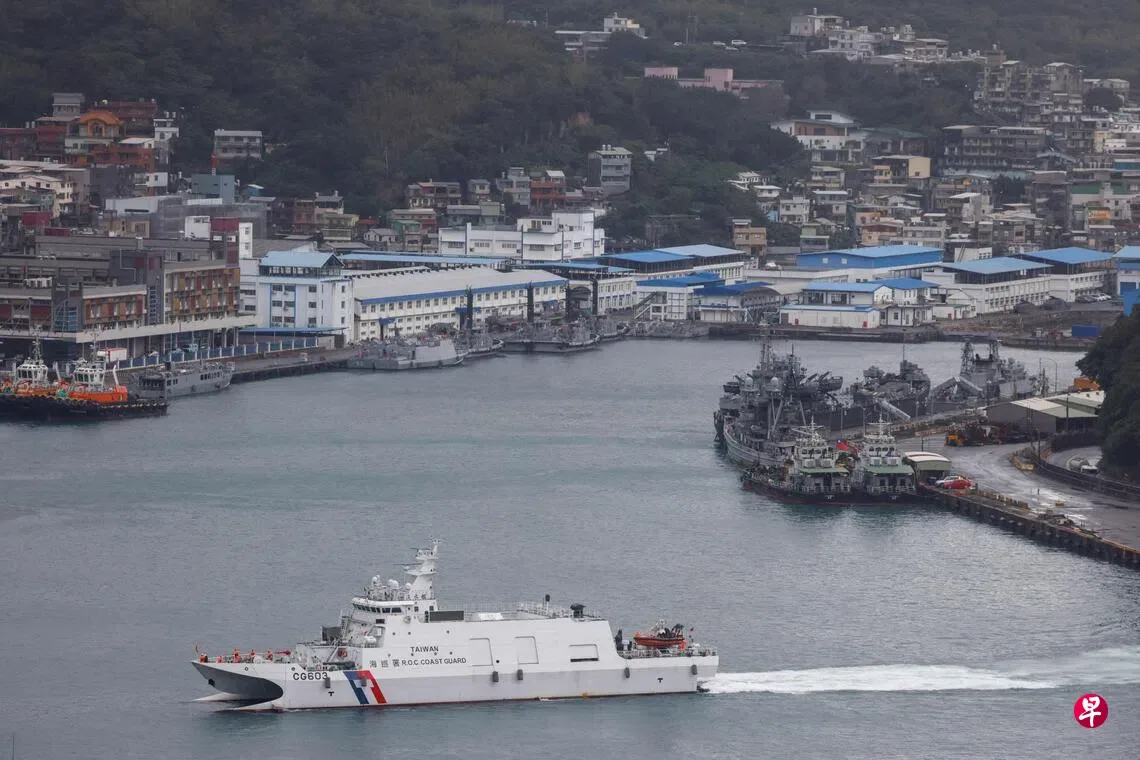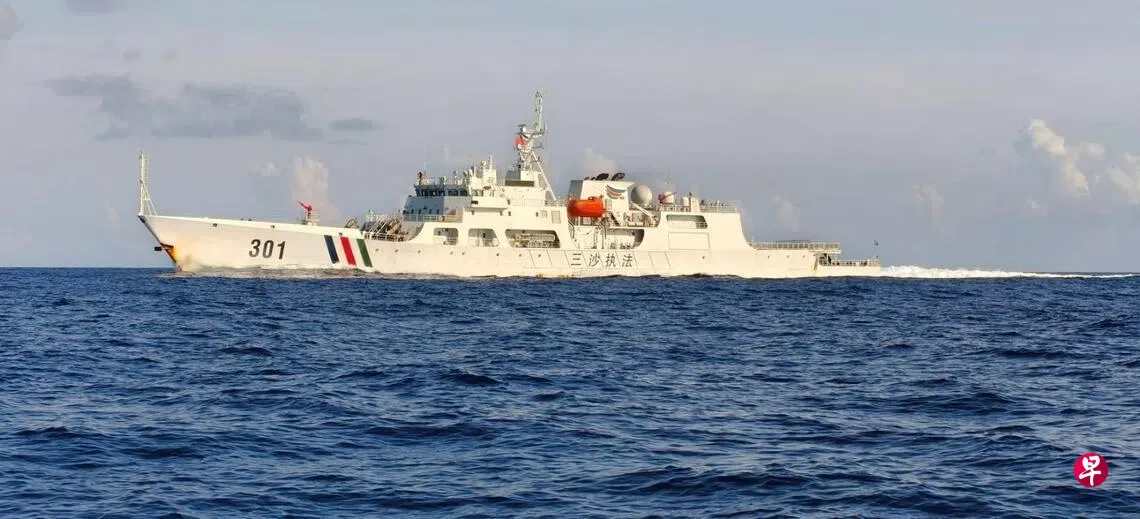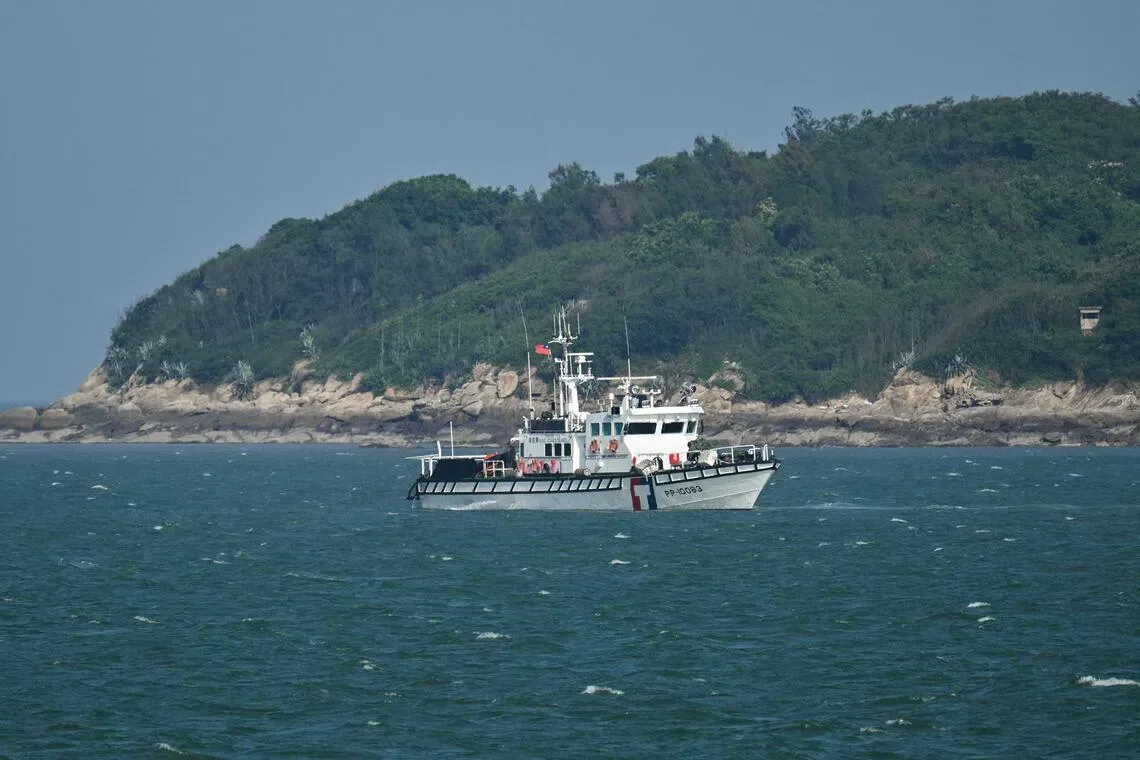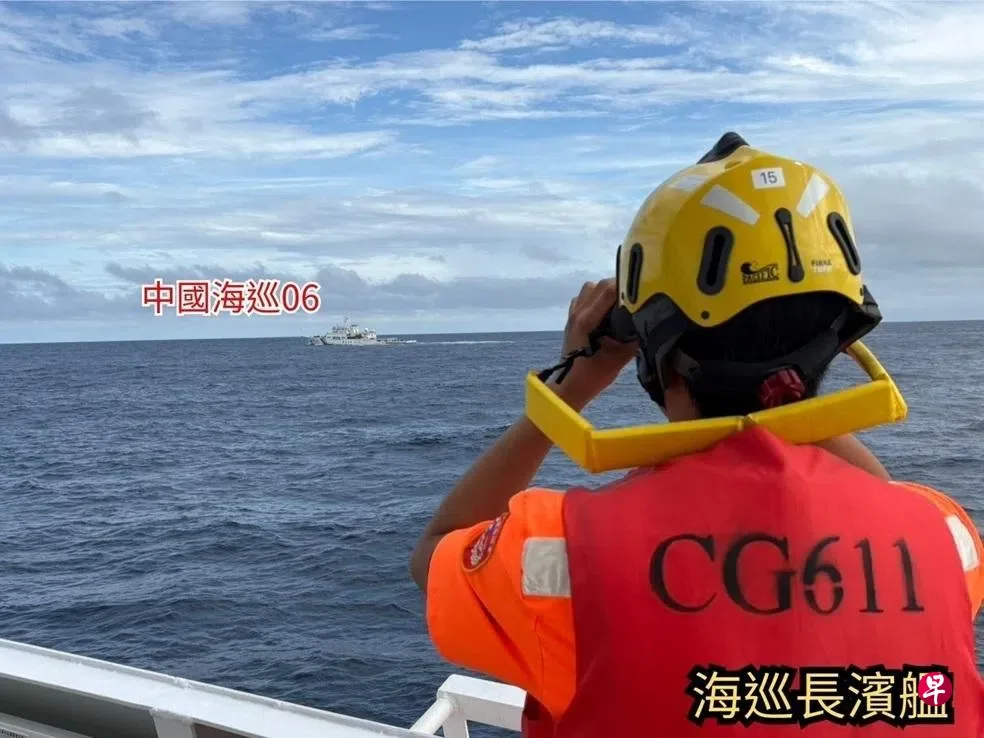
China's Ministry of Transport organized a maritime traffic law enforcement operation in waters east of Taiwan on June 6 to assert sovereignty and respond to Japan-Philippines maritime boundary talks, according to multiple sources [1, 2, 3, 4, 5]. Four Chinese government vessels departed Xiamen that day and entered waters southwest and east of Taiwan, detected by Taiwan's Coast Guard [6, 2, 3, 7].
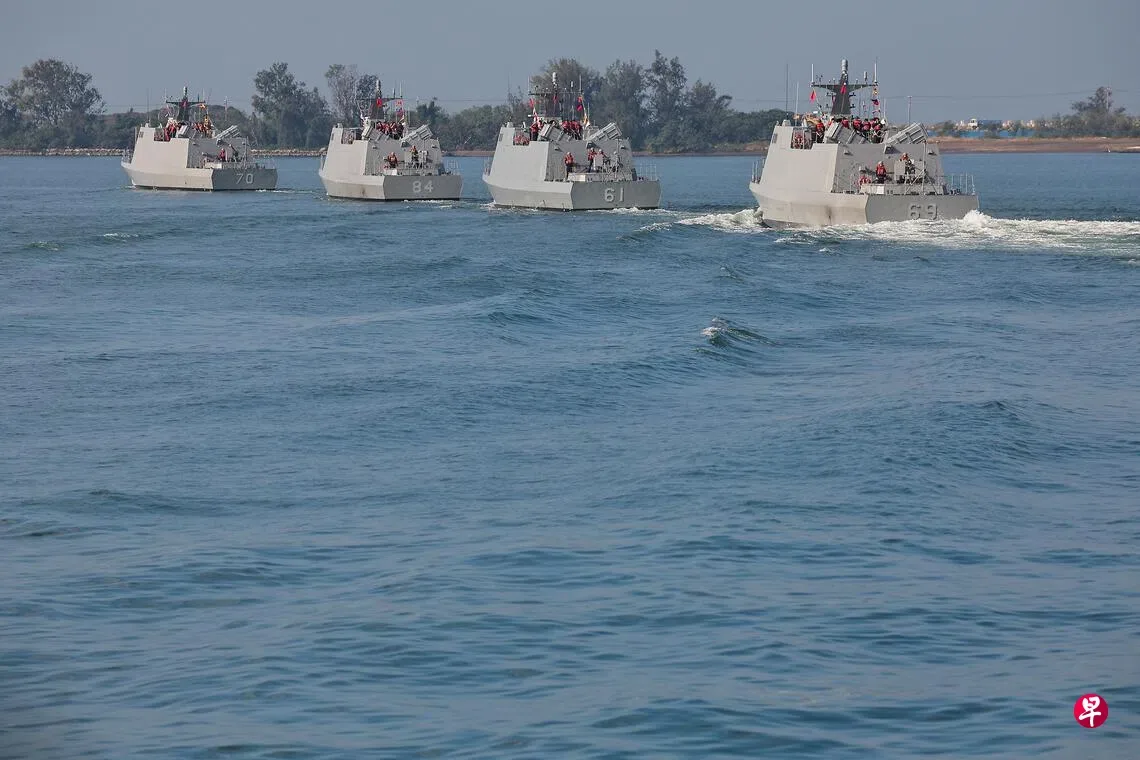
Taiwan deployed between five and seven Coast Guard vessels to monitor, shadow, and expel the Chinese ships from Taiwan's restricted waters during June 6-7, operating approximately 30-33 nautical miles from Eluanbi point [6, 2, 8, 3]. Taiwan defended its maritime rights, saying China has no legal sovereignty there and called the Chinese actions violations of international law [6, 2, 9, 7].
Taiwan Defense Minister Wellington Koo described the Chinese operation as "a provocative act" and "cognitive warfare," saying China was attempting "to first claim the eastern waters as their domain, like casting a large spider’s web over the area" and a "serious affront to our national sovereignty" [9]. Taiwan Ocean Affairs Council head Kuan Bi-ling called for peace, stating, "The ocean should be an ocean of peace, not an ocean of conflict and threats" [9].
The Chinese Coast Guard ship 3501 and a research vessel caused a standoff near Taiwan-controlled Dongsha Islands on June 5-6 by intruding into Taiwan waters [5, 10]. On June 9, Taiwan reported Chinese government vessels conducting radio interrogations of three foreign commercial ships in Taiwan’s exclusive economic zone, further escalating tensions [7]. Chinese vessels broadcast warnings asserting Chinese jurisdiction over waters east of Taiwan and demanded no interference [8, 3].
Taiwan authorities condemned what they called an escalation of maritime gray-zone tactics by China from early May onward [8, 3]. Taiwan insists that maritime boundary issues involving Taiwan’s rights be resolved through bilateral consultations with Japan and the Philippines, based on existing agreements [1, 5].
Japan and the Philippines started official maritime boundary delimitation talks on May 28 covering an area overlapping waters east of Taiwan [1, 6, 2, 3, 4, 5]. China’s Taiwan Affairs Office and Defense Ministry demanded Japan and the Philippines halt the talks, warning of consequences if they persist [1, 4]. China considers the talks illegal, asserting exclusive rights over the waters involved [1, 4, 5]. Japan responded that any agreement would concern only Japan and the Philippines, not affecting Taiwan [6].
China Defense Ministry spokesperson Zhang Xiaogang said Beijing "urges Japan and the Philippines to immediately stop illegal infringements, or China will take resolute actions to safeguard its sovereignty and maritime rights" [4]. Taiwan National Security Council Secretary-General Joseph Wu called on commercial ships to ignore Beijing's radio calls, accusing China of attempting to create a false impression of jurisdiction [7].
Chinese vessels forced encounters with Taiwanese Coast Guard units near Dongsha Islands on June 5-6, followed by a larger law enforcement patrol on June 6-7 [5, 10, 1, 6, 2]. Taiwan's Coast Guard and military coordinated their response to monitor and expel the ships [9, 8, 3]. The tension remains high in the region.
China’s law enforcement activities east of Taiwan will continue to be monitored closely as Japan-Philippines talks progress. Taiwan continues to demand bilateral consultations with those involved and maintain its maritime claims in the area.