China’s Ethnic Unity Promotion Law will take effect today, July 1, 2026, providing a legal framework to promote “ethnic unity” and punish actions that allegedly harm national unity or foster ethnic division [1, 2, 3, 4, 5]. The law applies within China and extends liability to "foreign organizations and individuals," criminalizing extraterritorial acts that China views as undermining ethnic cohesion under Article 63 [1, 3, 4].
The law lacks precise definitions of what actions constitute "undermining ethnic unity" or "creating ethnic divisions," giving Chinese authorities broad leeway to interpret and enforce its provisions [1, 5]. Officials say the law is designed to counter separatism and maintain the narrative of a unified Chinese nation [1, 4, 6]. It institutionalizes President Xi Jinping’s policy to consolidate "Chinese nation community consciousness" by integrating ethnic policy, media controls, cultural education, and Taiwan affairs into one legal system [6].
Human rights groups warn the law could enable cross-border repression of diaspora communities and chill support for Taiwan and ethnic minority rights abroad [3, 7]. Germany, Australia, the European Union, the United States, and Japan have expressed strong concerns that the law threatens minority language, culture, religion, and overseas freedoms [2, 3, 4, 7]. U.S. Congressman John Moolenaar called the law "an ugly escalation of CCP brutality and paranoia," saying Beijing will use it to "legalize abuses against Tibetans, Uyghurs, and other minorities" [3].
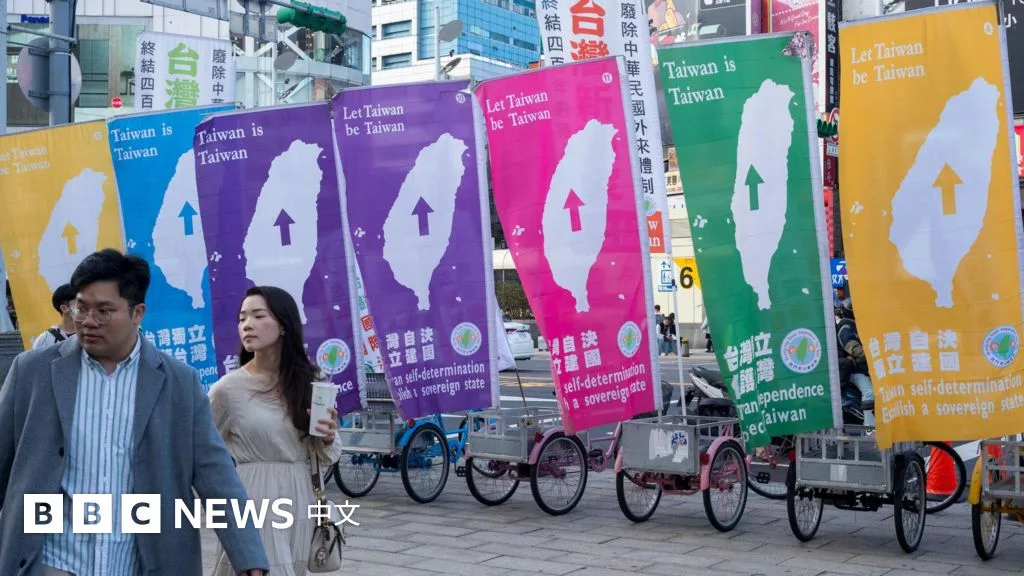
Taiwanese experts and officials caution that the law may pressure Taiwanese individuals and groups to self-censor, fearing retaliation or travel restrictions affecting work and life in China. Taiwanese scholar 洪浦釗 noted: "As long as people choose silence or change their words and deeds because they fear being named or restricted from entering, the law has already achieved its effect" [1]. Taiwan government officials highlight risks related to “religious Sinicization,” warning that the law may restrict religious freedom and deepen political control [8].
Taiwanese human rights activist Lee Ming-che described the law as "an unprecedented extreme authoritarian legal tool controlling not only behavior but also thoughts of individuals defined as part of the Chinese nation," and said Taiwan’s democracy faces a severe challenge [9, 10]. The law marks one of more than 10 ethnic-related laws China has passed or strengthened recently, including the 2023 Foreign Relations Law, to legally enforce ethnic policies [5, 11, 6].
Debate continues over the law’s extraterritorial reach. Chinese officials deny intent to interfere with normal cross-border cultural or human exchanges and say the law targets only unlawful acts [4]. Critics say it enables legal action against foreign supporters of Taiwan and ethnic minority rights [1, 3]. There are also differing views about penalties: the law does not specify new criminal punishments but refers to existing laws punishing crimes like "splitting the country," though some view it as expanding political controls more broadly [1, 5, 9].
The law was passed by China’s National People’s Congress in March 2026 [1, 2, 4, 5]. A Japanese politician published analysis in June warning about extraterritorial impacts on Taiwan supporters [1, 3, 7]. The Chinese Ministry of Justice defended the law publicly on June 24 [1, 9], and Taiwanese scholars urged democratic allies on June 28 to increase transparency and cooperation to counter cross-border repression [5, 11].
Today, the Ethnic Unity Promotion Law officially comes into force across China, establishing a new legal pillar for the government’s ethnic policy and cross-border enforcement.