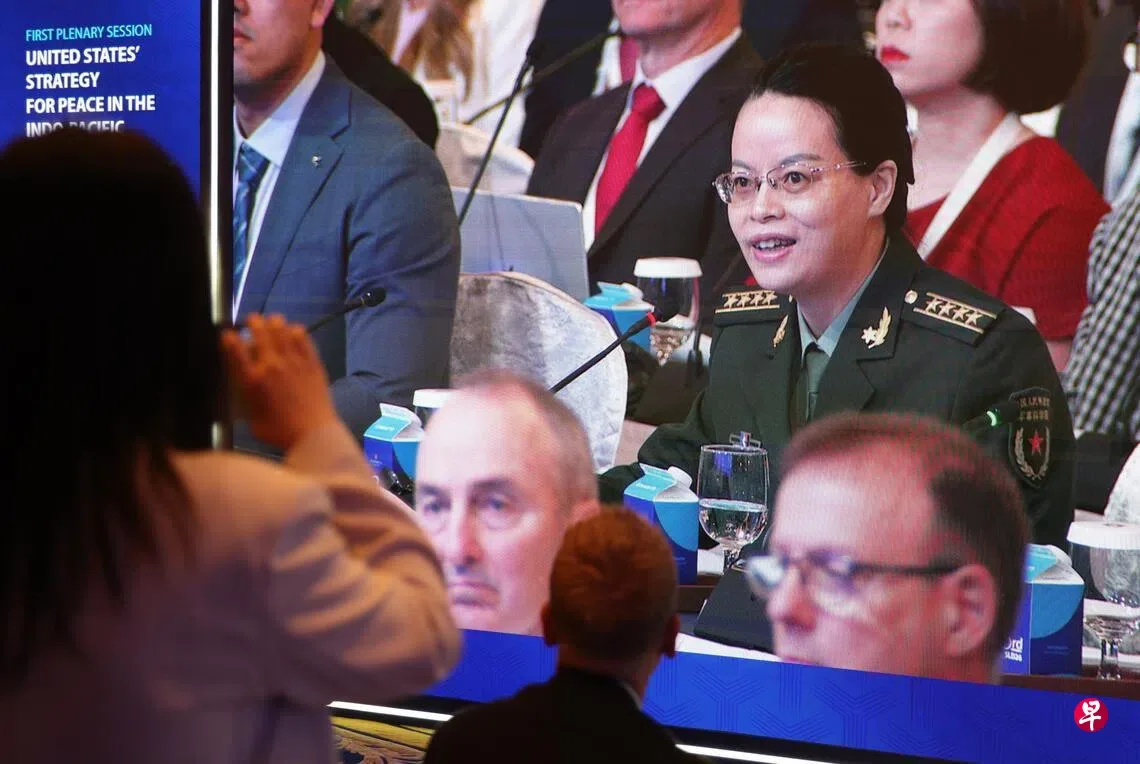
Chinese Defence Minister Dong Jun did not attend the 2026 Shangri-La Dialogue held May 29-31 in Singapore, marking the second consecutive year he skipped the event [1] [2] [3] [4] [5] [6]. China was represented by a lower-level delegation led by 65-year-old Major General Meng Xiangqing, a professor at the PLA National Defence University and CPPCC member [1] [2] [6]. Meng, who has directed the university’s Strategic Research Institute but currently holds no administrative post, headed the lowest-level Chinese delegation since China first participated in 2007 [6].
China’s Defence Ministry stated the expert delegation aimed to explain China’s defence concepts, build trust, dispel doubts, and contribute to regional peace and stability. Ministry spokesman Jiang Bin said, "Meng Xiangqing will lead the PLA National Defence University delegation to the Shangri-La Dialogue. This delegation will deeply explain China’s concept and initiatives, aiming to build trust, dispel doubts, and deepen cooperation to jointly contribute wisdom and strength for regional peace and stability" [6].
In prior years, China's defence minister attended personally in 2019, 2022, 2023, and 2024. The event was canceled in 2020 and 2021 due to the COVID-19 pandemic [1] [2]. This year’s delegation downgrading contrasts with that record.
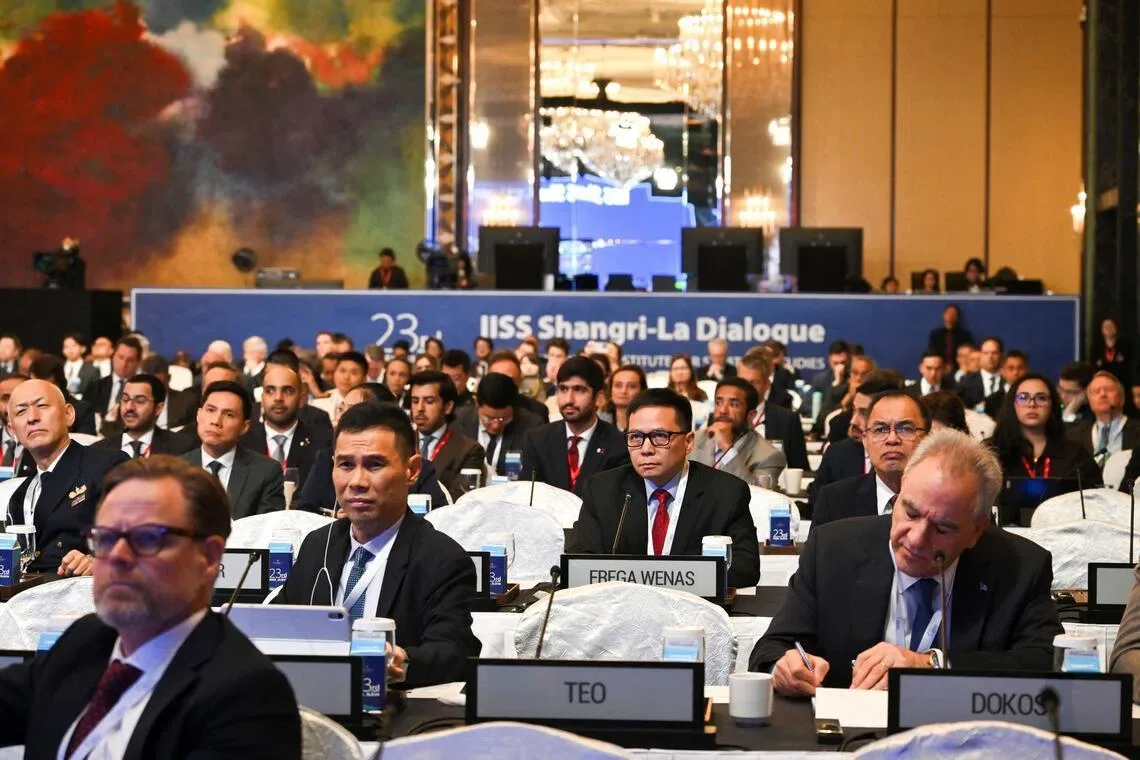
The Shangri-La Dialogue schedule also changed, removing a China-themed plenary session. The Sunday plenary instead focused on "Managing Regional Tensions Amid Global Competition" [2] [6].
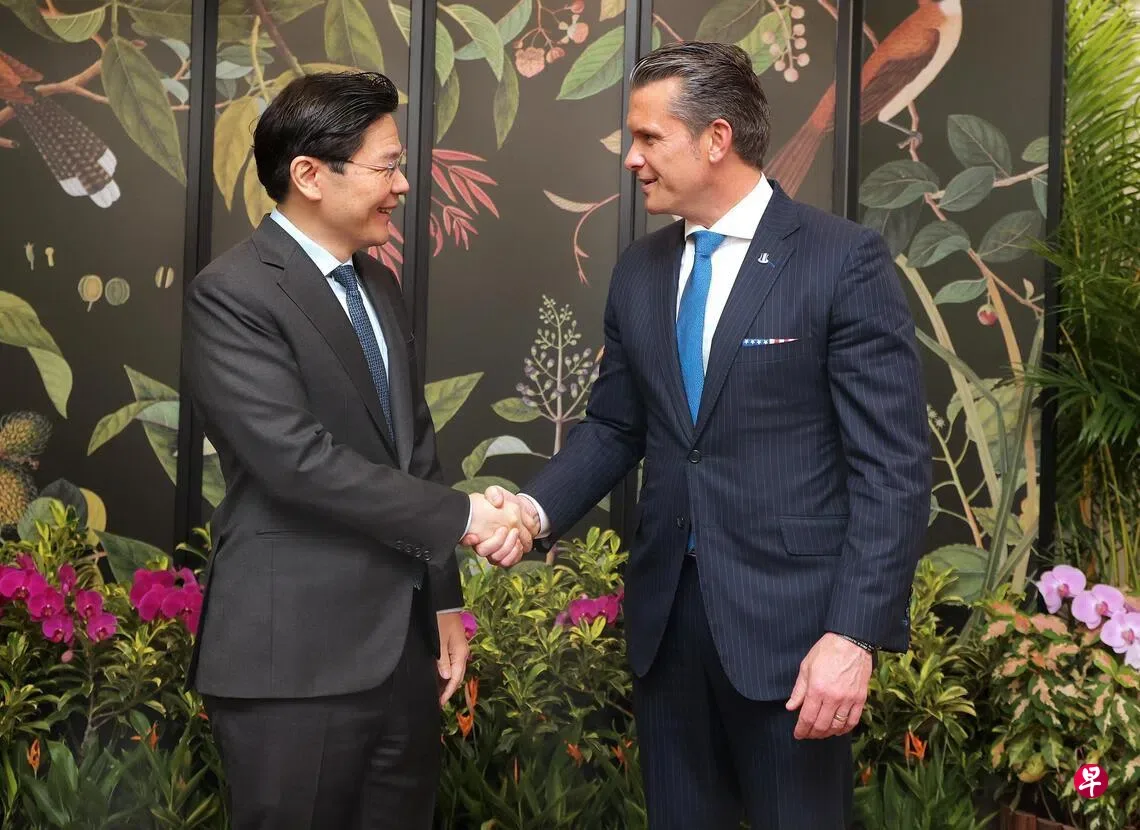
Amid heightened U.S.-China military tensions, U.S. Defence Secretary Pete Hegseth attended the event and delivered a speech on May 30 that omitted explicit mention of Taiwan, unlike his 2025 address [3] [4] [5] [7] [8] [9]. Hegseth noted that during U.S. President Donald Trump’s May 2026 China visit, he and Dong Jun exchanged views on military ties and common issues [3] [4] [5] [6]. Dong’s two predecessors, Wei Fenghe and Li Shangfu, were purged and sentenced to death with reprieve in May 2026 as part of a military anti-corruption crackdown [3] [4] [5]. The low-level Chinese delegation was expected to face questions on how these purges affect PLA combat readiness [3] [4] [5].
Australia’s Defence Minister Richard Marles criticized China’s decision to send academics rather than senior military officials as a missed strategic reassurance amid the region’s biggest conventional military buildup since World War II. He said, "We’ve seen China engage in the biggest conventional military build-up in the world since the end of the Second World War, and that has not happened with a strategic reassurance for other countries" [10] [11] [12].
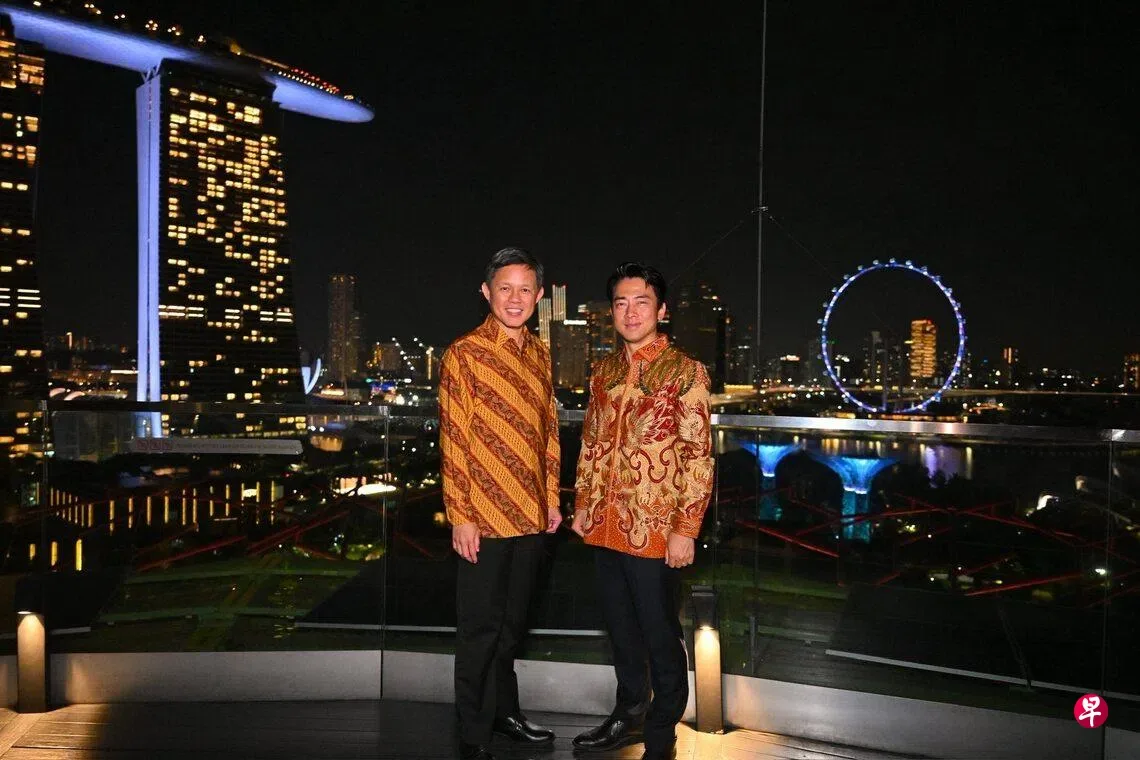
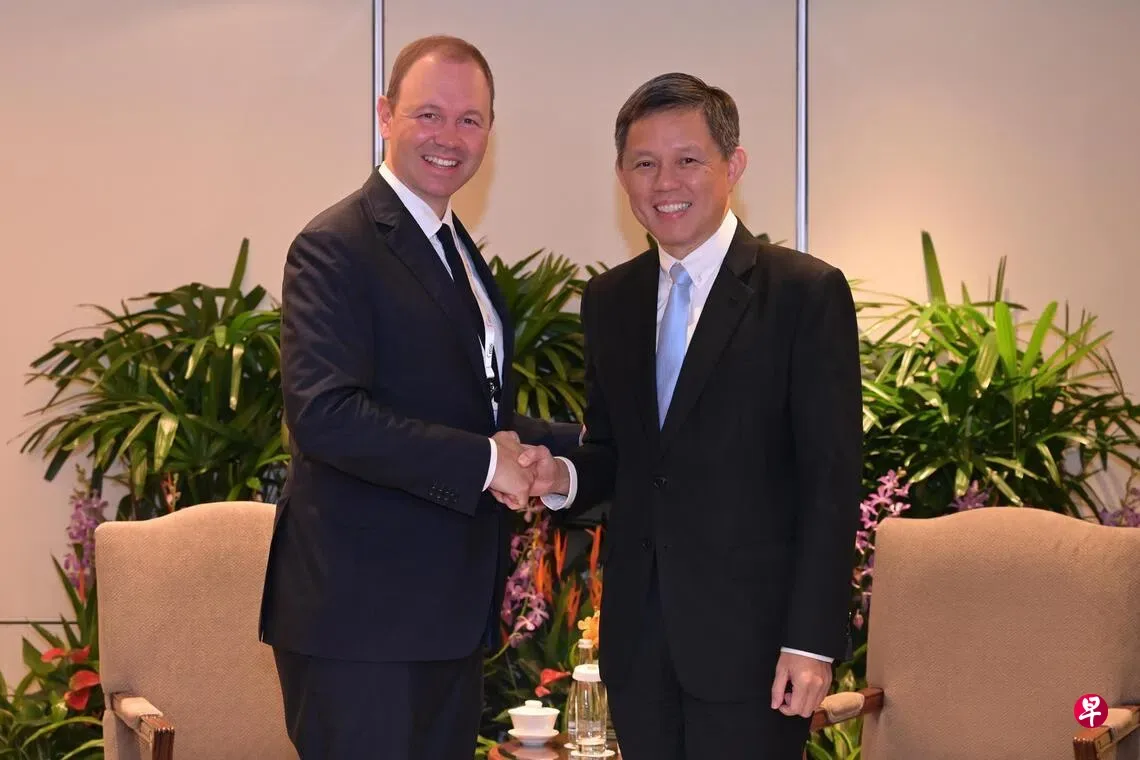
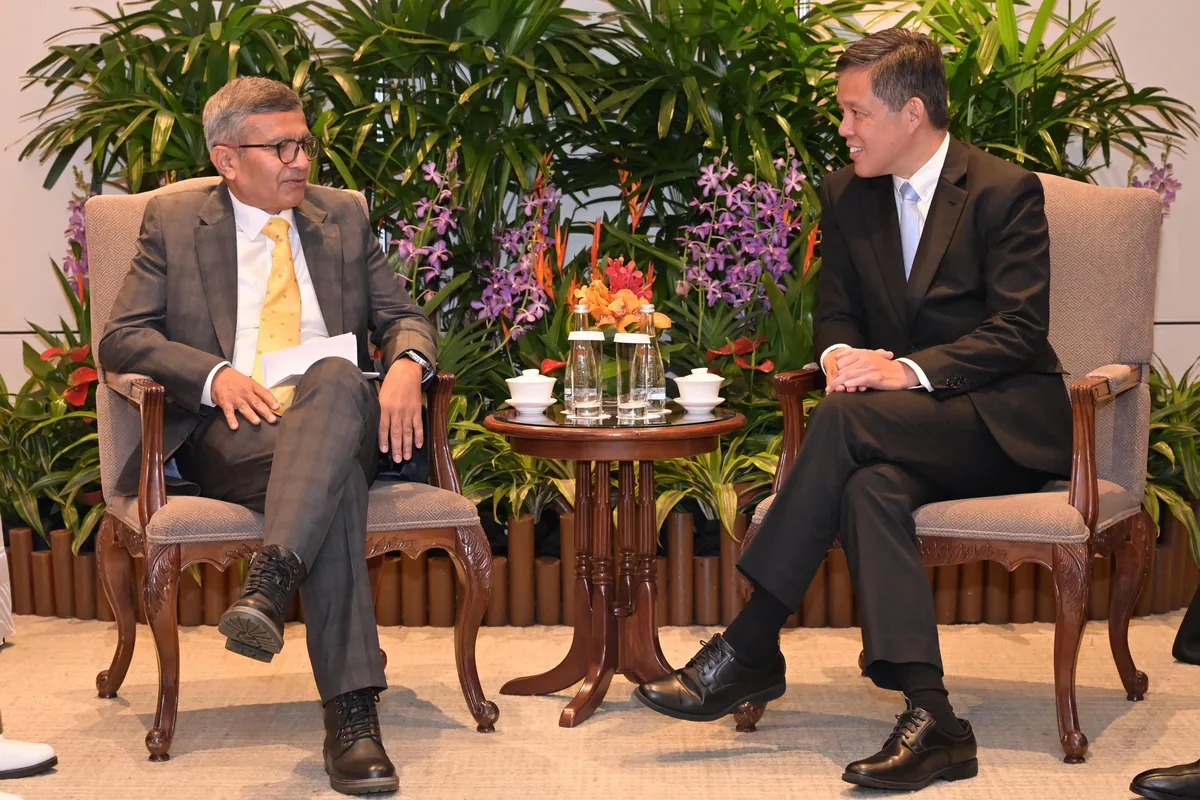
Singapore’s Prime Minister Heng Swee Keat met with Hegseth at the dialogue, reaffirming commitment to regional peace, stability, and bilateral defence cooperation. Singapore Defence Minister Chan Chun Sing also met Hegseth, noting that shared training experiences "not only enhance our operational capability but also nurture lasting friendship between our two countries" [7].
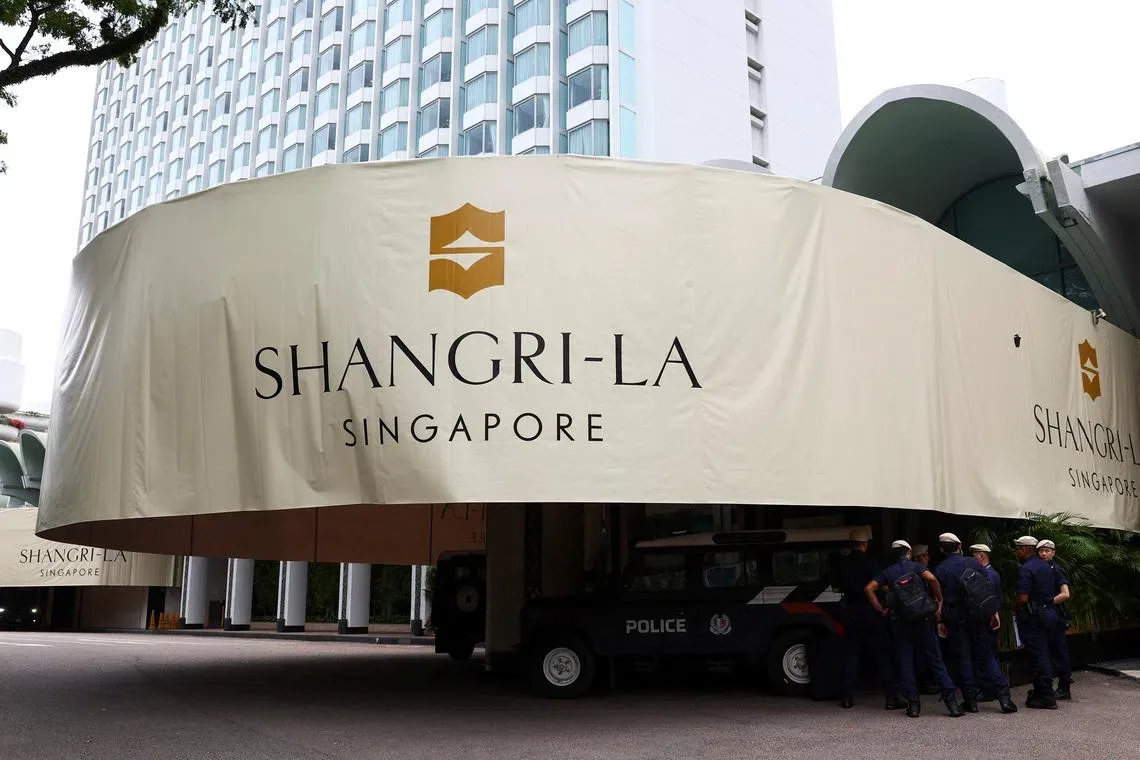
The Shangri-La Dialogue ran from May 29 to May 31, bringing together defence ministers from the U.S., Australia, Japan, and other countries while China was represented by the low-level PLA National Defence University delegation [2] [3] [6] [10] [11] [7] [12].