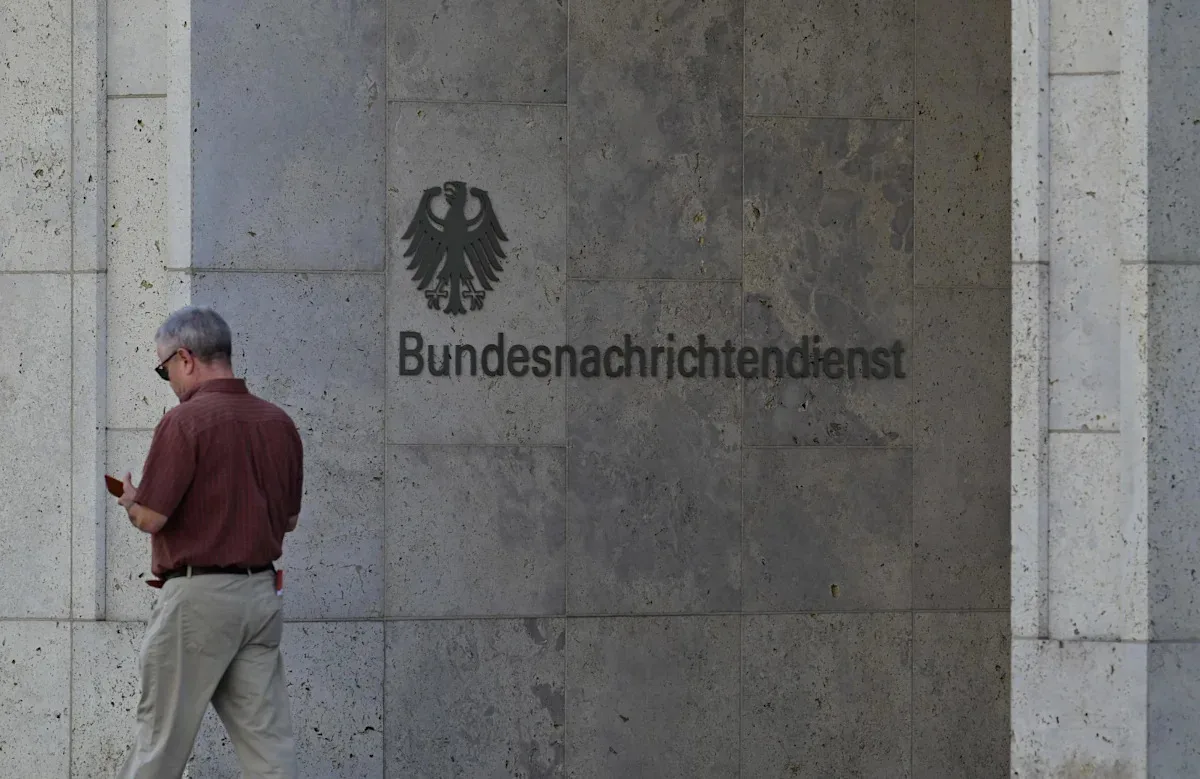
Germany's cabinet approved reforms on August 12, 2026, that grant the Federal Intelligence Service (BND) and the domestic security agency (BfV) expanded authority to conduct active operations such as hacking foreign systems, disrupting adversaries' infrastructure, and covertly interfering with attacks [1, 2, 3, 4, 5]. The changes mark a significant shift from Germany's traditional focus on intelligence collection to enabling active responses against sabotage, espionage, hybrid warfare, and cyberattacks [1, 3, 5].
The reforms allow the BfV to collect data, analyze digital communications, and intervene in terrorism, extremism, foreign espionage, and sabotage cases with broader powers than before [1, 2, 5]. Integration of artificial intelligence tools is planned to enhance data analysis and operational effectiveness [1, 5]. German Interior Minister Alexander Dobrindt said, "We are transforming our intelligence services into genuine secret services," and added the reform "will bring Germany’s intelligence agencies up to the level of their global partners" [1, 5].
BND Director Martin Jäger stated, "We must make adversaries feel pain as well," underscoring the intent to actively disrupt hostile operations rather than only gather information [2, 3, 4, 5]. However, the reforms still prohibit fatal actions such as assassination [2, 3, 4, 5].
The new law establishes an Independent Control Council to oversee intelligence activities and authorize long-term surveillance, aiming to strengthen accountability [4, 5]. The reforms come after recent security incidents, notably a suspected explosive drone found at Leipzig/Halle airport on August 4, 2026, which targeted a Ukrainian transport plane but failed to detonate [2, 3, 4, 5].
German officials cite Russia and other unnamed actors as conducting hybrid attacks involving sabotage, espionage, cyberattacks, and misinformation against Germany, driving the urgency for enhanced intelligence powers [2, 3, 4, 5]. Marc Henrichmann, chairman of the Parliamentary Intelligence Oversight Committee, said Germany faces "a hybrid conflict" requiring intelligence agencies to "keep pace and get ahead of the situation" [2].
The reforms sparked debate about constitutional limits. Green Party intelligence oversight vice chair Konstantin von Notz said while expanding powers is understandable given threats, "the current reforms go too far without strengthening independent oversight, risking violation of constitutional bans on intelligence agencies wielding police powers" [2]. Historically, Germany's intelligence agencies operated under restrictions due to memories of Nazi and East German abuses, focusing mainly on information gathering rather than covert actions [1, 2, 3, 4, 5]. Security expert Peter Neumann noted Germany's agencies were limited compared to counterparts in the UK, France, and the Netherlands [2].
The reforms require approval by the German parliament before becoming law [1, 5].