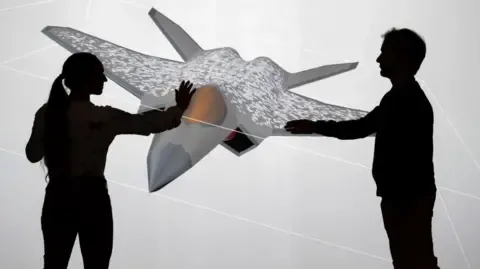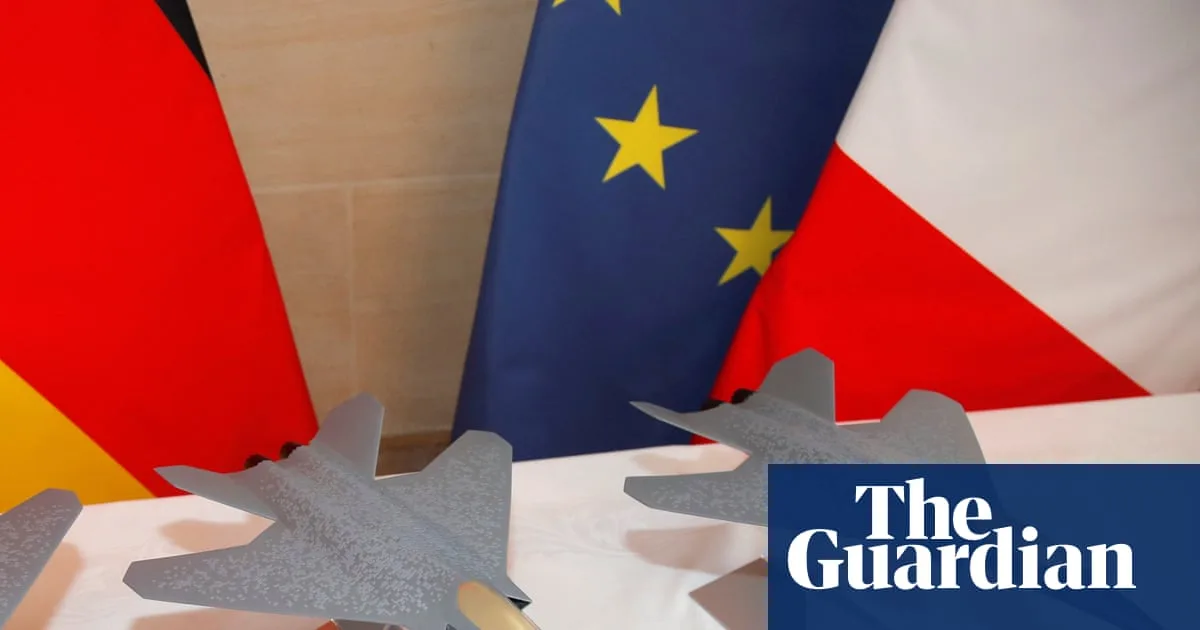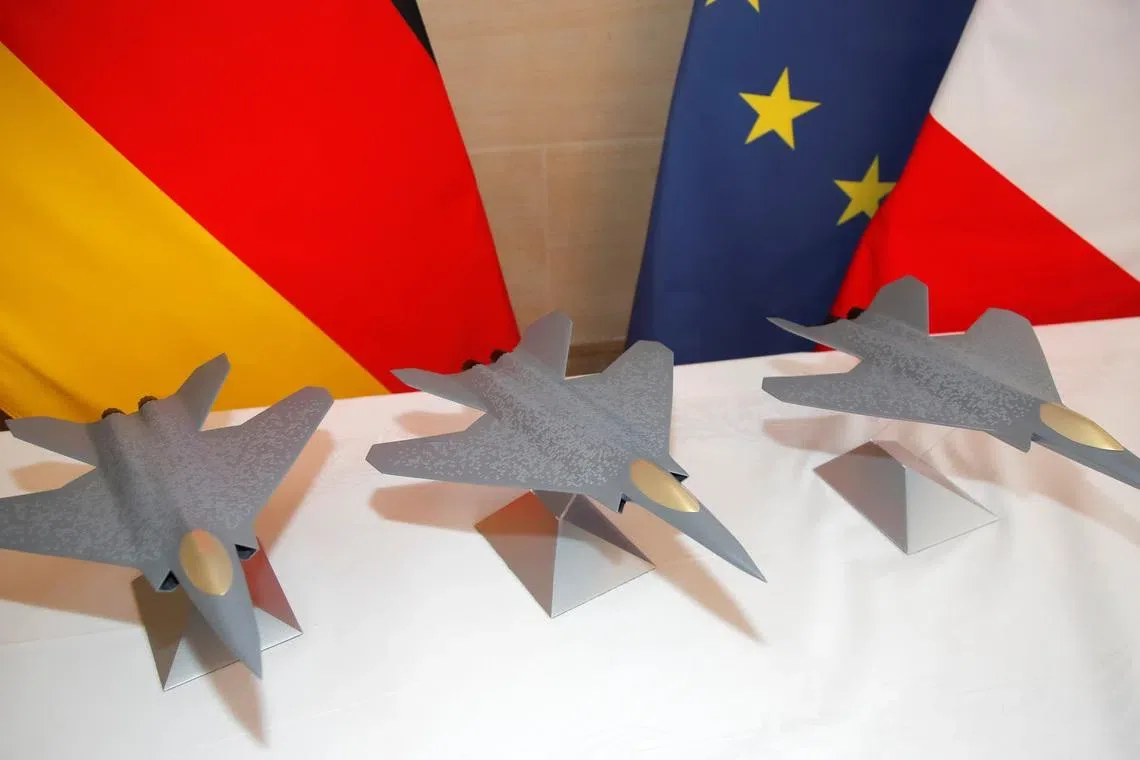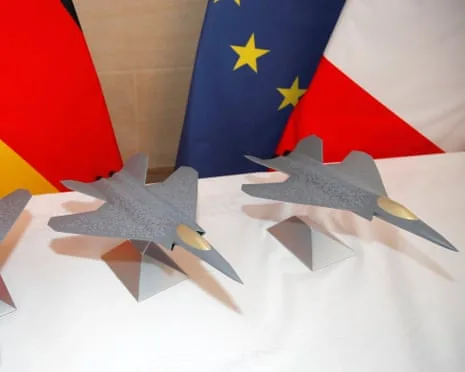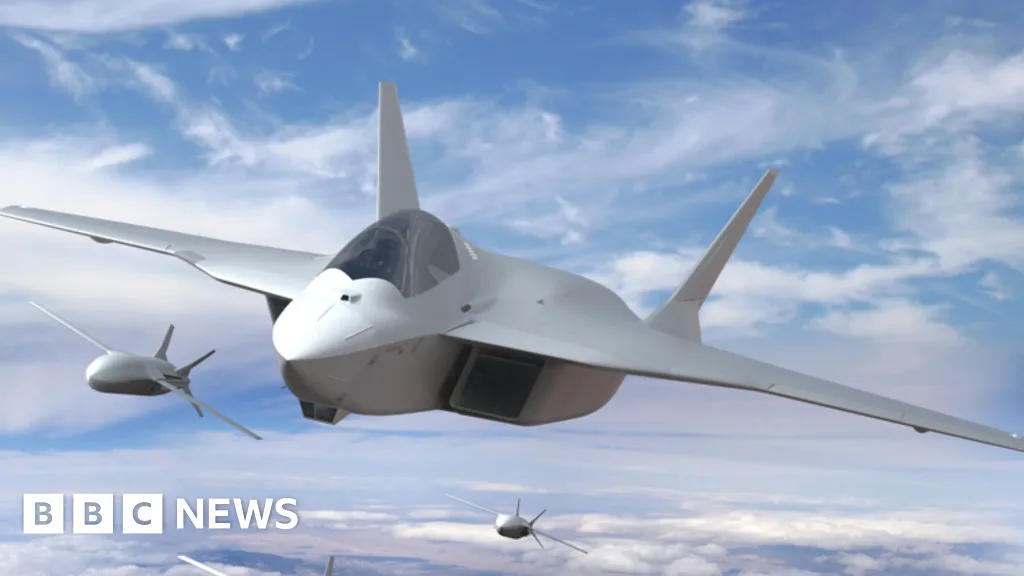
France and Germany announced on June 8, 2026, that they are abandoning the joint Future Combat Air System (FCAS) fighter jet project due to irreconcilable conflicts between the main companies involved, Dassault Aviation and Airbus [1, 2, 3, 4, 5, 6, 7, 8, 9, 10].
Launched in 2017 by then German Chancellor Angela Merkel and French President Emmanuel Macron, the FCAS program aimed to develop a sixth-generation fighter jet to replace France's Rafale and the Eurofighter planes used by Germany and Spain by around 2040 [1, 2, 3, 5, 6, 7, 10]. Spain joined the effort in 2019 and was represented alongside Germany by Airbus [1, 2, 3, 4, 7, 9, 10]. The entire program was valued at about €100 billion ($116 billion) [2, 3, 7].
The key points of dispute came down to leadership, control, intellectual property rights, and differing national requirements between the countries [1, 2, 3, 4, 7, 10]. Dassault Aviation insisted on leading the project to protect its intellectual property, while Airbus sought a more equal partnership with substantial technology transfers [3, 4, 7, 10]. German Chancellor Friedrich Merz publicly questioned the need for a manned sixth-generation fighter jet given shifting defense priorities after the war in Ukraine, asking, "20 years from now, do we still need manned fighter jets? Given the huge investments, do we really still need them?" [1, 4, 8, 9, 10].
An unnamed German official said the core fighter jet portion of FCAS is terminated, but work on other components including drones, sensors, engines, and a secure digital "combat cloud" data network may continue under the FCAS label [1, 2, 3, 5, 6, 7, 9, 10]. The official described this system as a "nervous system that networks aircraft, drones and other components into an integrated whole" [3].
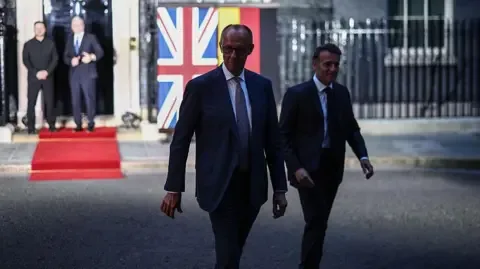
French President Emmanuel Macron and Chancellor Merz reportedly held lengthy discussions on the project's future, expressing regret that industrial partners could not reach an agreement [5]. A French presidential office statement said France will "continue to encourage our companies and armed forces to explore ways and means of pursuing ambitious European projects that are consistent with our national security interests" [7].
Analysts noted the project's collapse is a serious setback for European defense integration amid worsening transatlantic ties and increased Russian aggression. Christoph Bergs, an RUSI air power analyst, called it "a revolution, but we're not afraid of revolutions when they are peaceful, well-thought and meant to last" [1]. German defense analyst Nico Lange said, "FCAS is not synonymous with 'European defence… there will be many other good projects'" [1].
On June 5, 2026, Merz informed Macron the companies had failed to reach agreement, effectively ending the fighter jet development [2, 8, 10]. The official announcement came three days later.
With the fighter jet project ended, development of related drone and digital systems under the FCAS name is expected to continue, but final outcomes remain to be seen [1, 2, 3, 4].