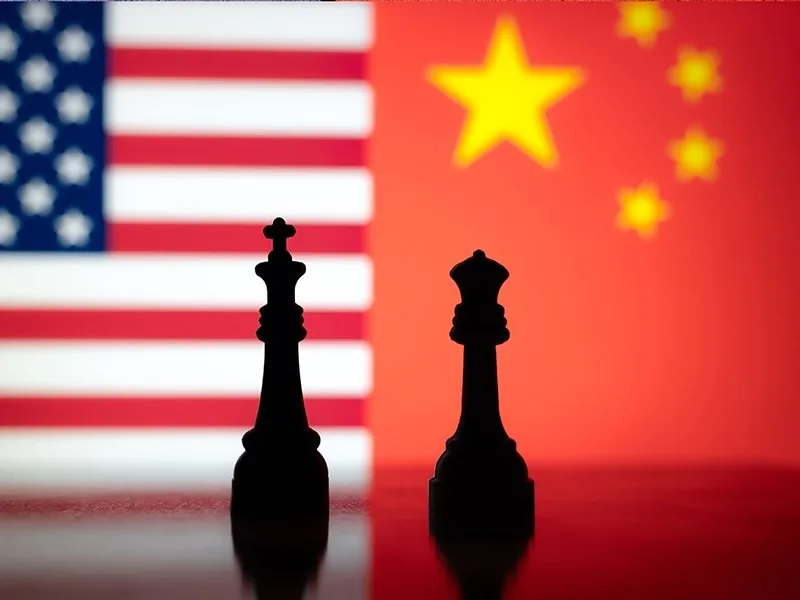
The International Institute for Strategic Studies (IISS) published a 156-page strategic assessment on May 28, 2026, warning that a military conflict between China and the United States over Taiwan risks escalating into nuclear warfare [1, 2, 3, 4, 5, 6].
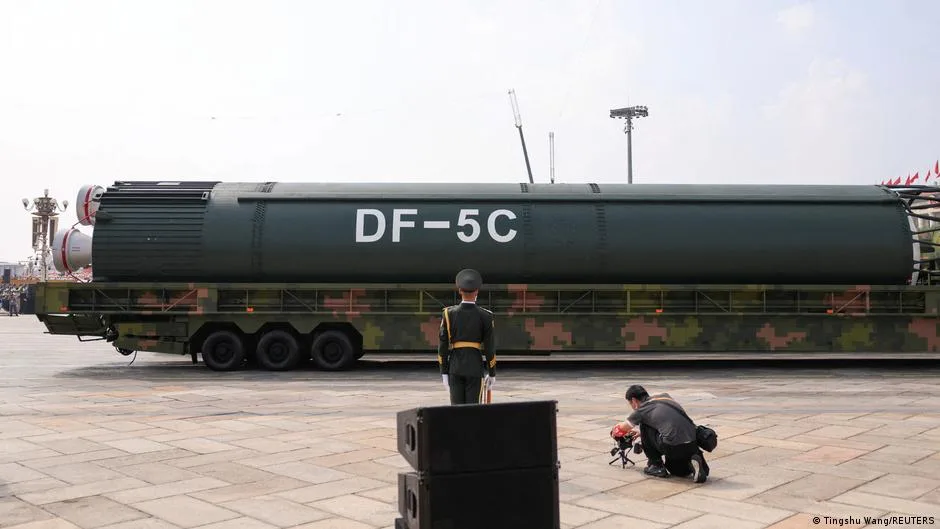
The report details how both Chinese and US forces could launch large-scale strikes targeting each other's command, control, communication, intelligence, surveillance, and reconnaissance (C4ISR) nodes in such a conflict [1, 2, 3, 4, 5, 6, 7, 8, 9, 10, 11, 12]. It states the Asia-Pacific region stands at the center of a new nuclear arms race as China rapidly expands and modernizes its nuclear arsenal faster than any other power [1, 2, 3, 5, 6, 7, 8, 9, 10, 11].
According to a 2025 Pentagon report cited by IISS, China has more than 600 nuclear warheads today with plans to reach 1,000 by 2030 [1, 2, 3, 5, 6, 7, 8, 9, 10, 11]. By comparison, the US and Russia currently deploy about 3,700 and 4,400 nuclear warheads respectively, far surpassing China’s stockpile [2, 3, 6, 7, 9, 11].
The IISS warns that neither the US nor Chinese militaries have clear guardrails or engagement rules to prevent conflict escalation or attacks on critical command nodes [1, 2, 3, 4, 5, 6, 7, 8, 9, 10, 11, 12]. The absence of communication and crisis management mechanisms increases the risk of miscalculation leading to nuclear escalation if hostilities erupt in the Asia-Pacific [2, 5, 7, 9, 10, 11].
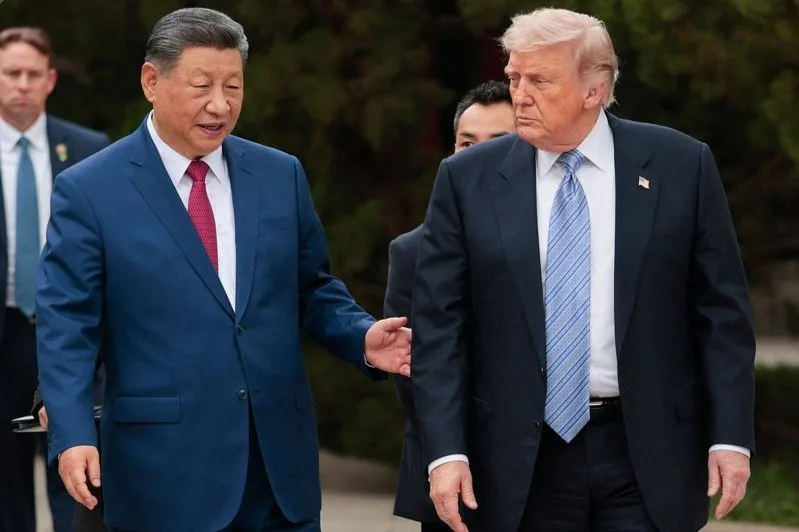
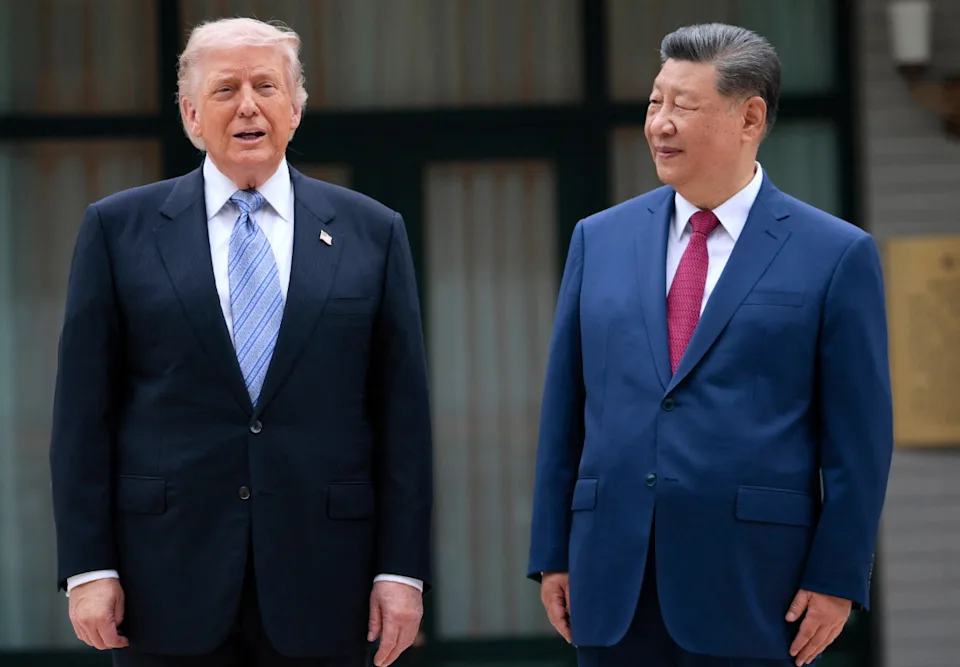
China has recently increased military activities around Taiwan, further heightening regional tensions [3, 6, 9, 10, 11]. The Chinese government emphasizes Taiwan is an internal affair and insists that peace requires opposing Taiwan’s independence, with Chinese Foreign Ministry Spokesperson Mao Ning saying the US must handle the issue prudently and implement the summit consensus between heads of state [12].
Daniel Salisbury, IISS senior researcher, noted that "Cold War US-Soviet nuclear dialogues were extensive, but US-China communication on nuclear issues is minimal and complicated by China’s secrecy," highlighting the dangerous gap in talks [2].
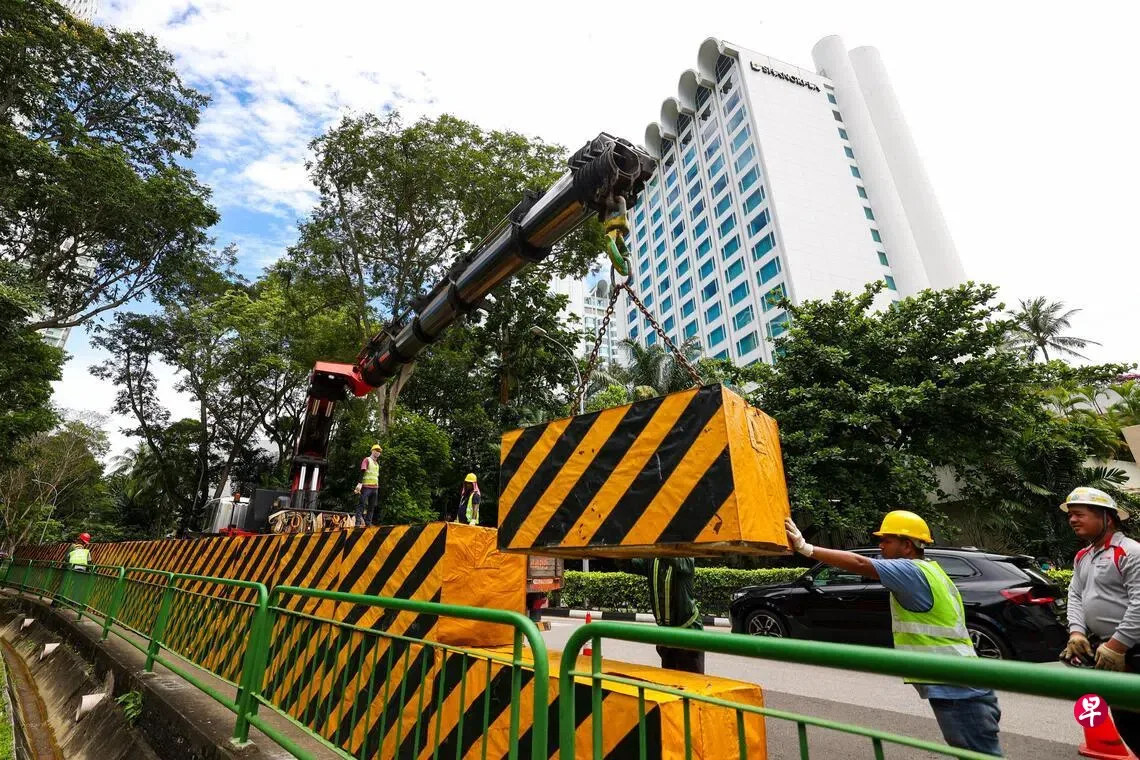
The 23rd Shangri-La Dialogue defense summit will be held May 29-31, 2026 in Singapore, focusing on Taiwan, the Iranian conflict, and US regional commitments [1, 2, 3, 4, 5, 6, 7, 8, 9]. US Defense Secretary Pete Hegseth is scheduled to deliver a keynote speech on May 30. China’s Defense Minister Dong Jun’s attendance is not confirmed and likely absent [3, 4, 5, 6, 7, 8, 9].