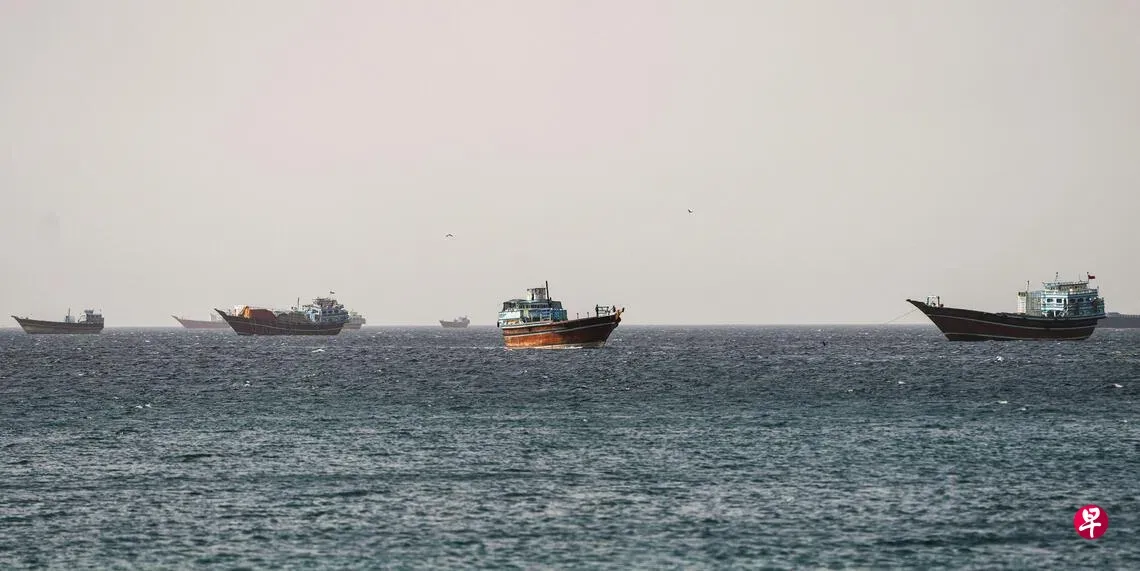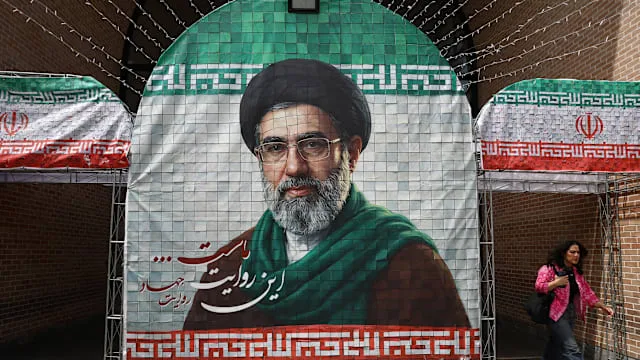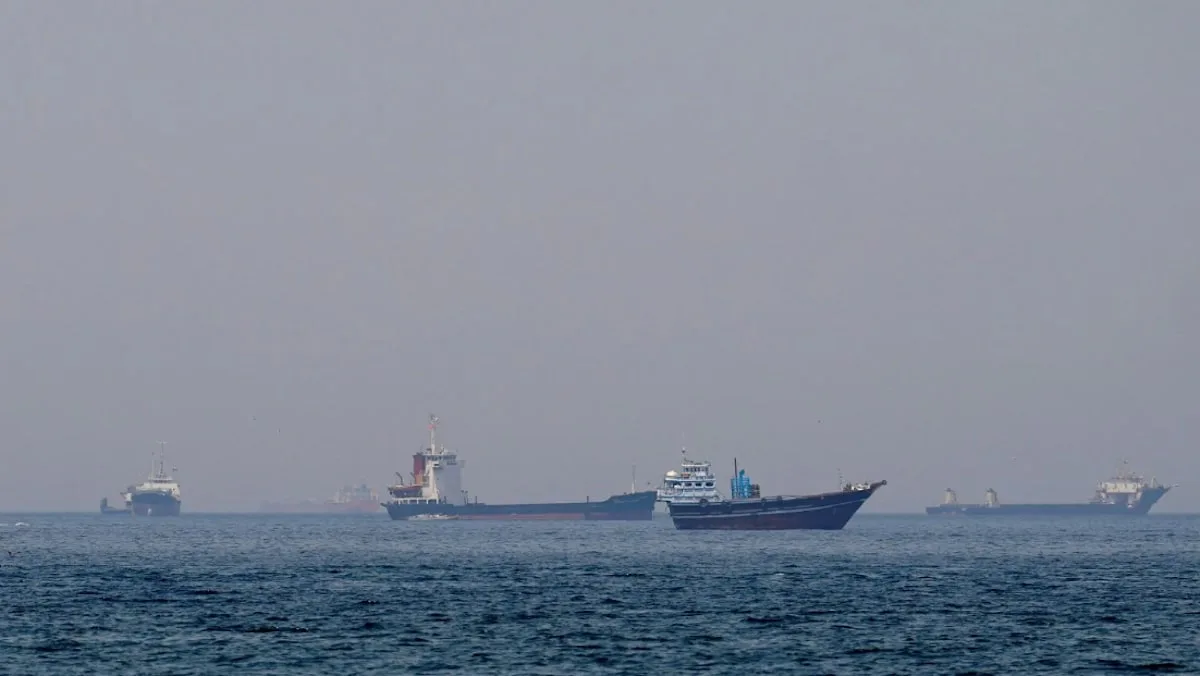
Iran declared on May 17 that it will impose fees on undersea internet cables passing through the Strait of Hormuz, targeting major global tech companies like Google, Microsoft, Meta, and Amazon [1, 2, 3, 4]. Iranian military spokesperson Ebrahim Zolfaghari announced the plan on social media, stating simply, “我们将对网络缆线收费” (We will charge network cable fees) [2].
Iranian state media suggested that companies refusing to pay could face sabotage or disruptions to their cables. Such actions risk causing network outages across Eurasia and the Middle East, where these cables carry crucial internet, financial transactions, and data traffic linking Europe, Asia, and the Persian Gulf [1, 2, 3, 4]. Most cables route nearer Oman's waters to avoid Iran's territory, but two major cables—Falcon and Gulf Bridge International—do pass through Iranian waters [2, 3, 4].
Experts warn that damage to undersea cables could trigger a "multi-continental digital disaster," affecting banking systems, military communications, AI cloud infrastructure, remote work, online gaming, and streaming services. According to Mostafa Ahmed, senior researcher at Habtoor Research Center, “Iranian Revolutionary Guard Corps possesses operational divers, mini-submarines and underwater drones, threatening undersea cables,” and attacks could cause cascading network failures [1, 2, 3, 4].
Iran reinforced its control over the Strait on May 16 by expanding claimed sovereign waters, intensifying its grip over this strategic chokepoint [5]. It also launched a new shipping insurance service called "Hormuz Safe," payable in Bitcoin, aimed at vessels passing through the Strait and surrounding waters [6, 5, 7]. The Iranian government claims sovereignty over the Strait and intends to institutionalize this by charging fees and offering "professional services" to cooperating shipping companies [5, 7].
Despite the strategic importance, TeleGeography reports that cables through the Strait currently carry less than 1% of global international internet bandwidth as of 2025 [2, 3, 4]. Iran estimates its Bitcoin-based shipping insurance could generate over $10 billion in revenue, though operational details remain unclear [6, 5, 7].
Gulf states are reconsidering new oil pipelines to reduce dependence on the Strait, a vital energy export route [1, 3]. Dina Esfandiary of Bloomberg Economics noted Iran’s aim “在於對全球經濟施加龐大代價,好讓沒有人再敢攻擊伊朗” (to impose huge costs on the global economy so no one dares attack Iran) [2].
Iran’s military spokesperson’s announcement on May 17 marks a new phase in Tehran’s assertion of control over undersea infrastructure in the Strait of Hormuz [1, 2, 3, 4].