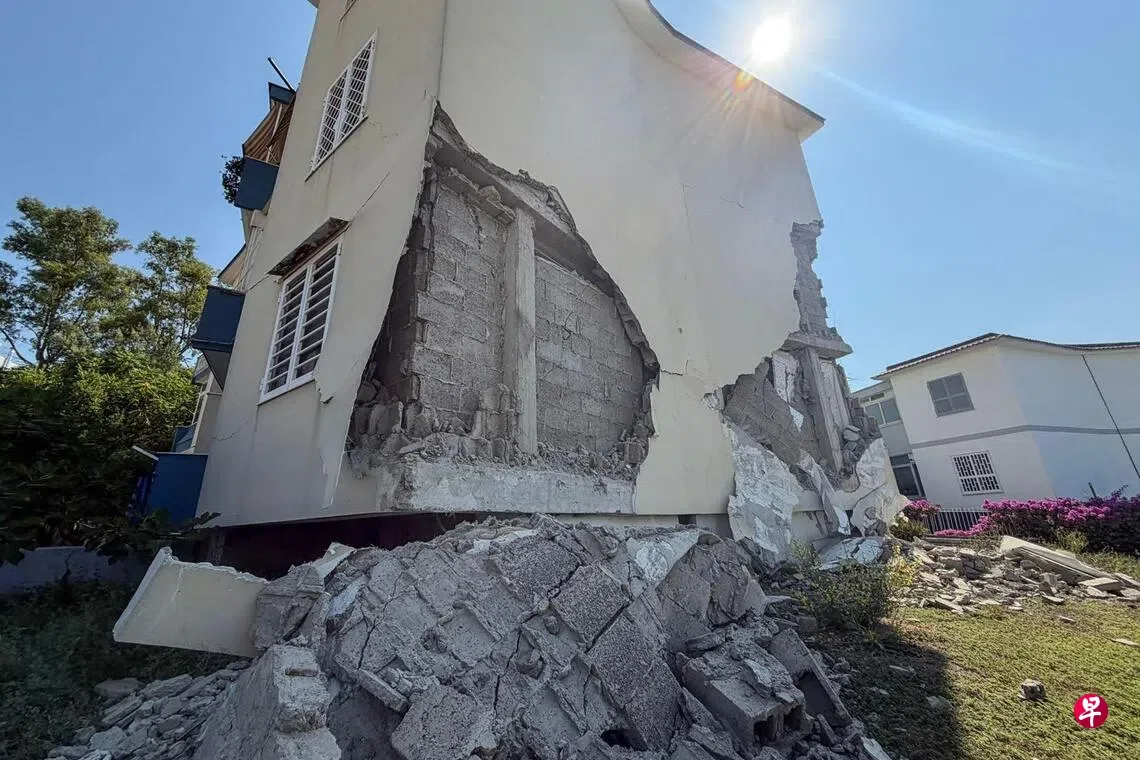
A magnitude 4.7 earthquake shook the Campi Flegrei volcanic area west of Naples, Italy, on July 31 at 7:46 p.m. local time. The tremor’s epicenter was about 3 kilometers deep beneath the surface [1, 2, 3]. It was the strongest quake in the area in around 40 years and was followed by roughly 60 aftershocks, including a 3.1-magnitude tremor early on August 1 at 5:47 a.m. [2, 3, 4, 5].
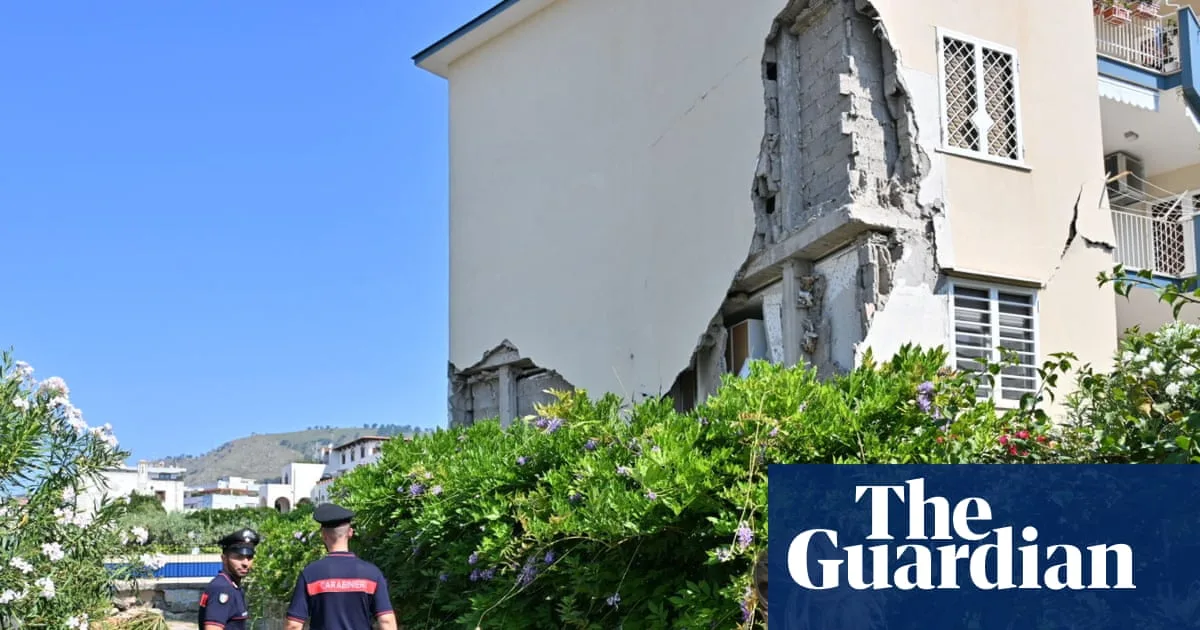
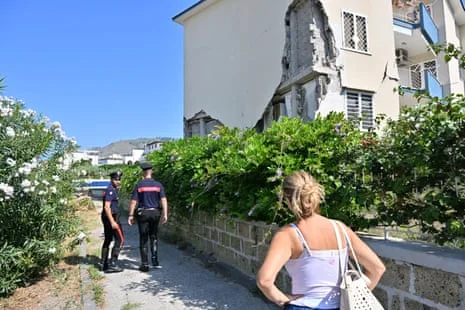
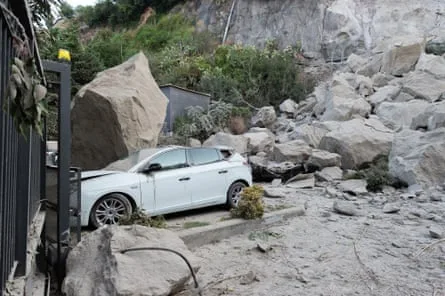
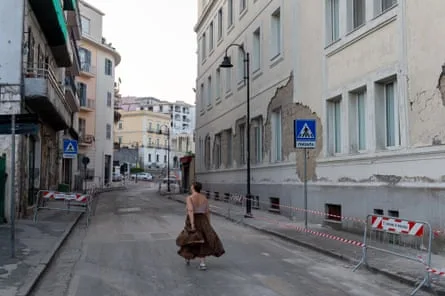
The earthquake damaged infrastructure and disrupted daily life. About 100,000 households lost power temporarily. Railway and metro services were also briefly affected [1, 2, 6, 7, 4, 5]. Structural damage was reported across the region, with at least nine buildings declared unsafe and ongoing inspections underway [2, 4, 5]. In Pozzuoli, part of a cliff and a building partially collapsed, damaging parked cars but causing no fatalities [2, 4, 5].
Authorities evacuated between 250 and 300 residents from affected homes due to damage and safety concerns, predominantly in the Campi Flegrei area and Pozzuoli [2, 3, 4, 5]. At least 21 to 26 people were injured, including five hospitalized for trauma and fractures, with two in critical condition [2, 3, 8, 9, 4, 5]. Some residents spent nights outdoors because of fears their homes might collapse and the aftershocks. One resident said, "We all ran out of our homes because it was impossible to stay inside. It lasted a long time and was very powerful... We have been left here in the middle of the street, and no one has come to check on us or tell us what to do. We are here with very young children" [2].
Local authorities and fire departments responded promptly. The mayor and regional officials emphasized continued collaboration to monitor the volcano and seismic activity for public safety. Campania Region President Roberto Fico said, "All institutional stakeholders are collaborating. There's great dialogue and collaboration, and we're moving forward for the protection and safety of our population" [5]. Italian Civil Protection and Maritime Policies Minister Nello Musumeci noted the ongoing seismic swarm and warned further events above magnitude 3 could occur [5]. Musumeci added, "The earthquake also caused several unoccupied buildings to collapse, various structural damage and landslides, about 300 people were evacuated" and confirmed the number of hospitalizations [3, 5].
The Campi Flegrei area contains one of Europe's largest volcanic calderas and is known for frequent seismic activity [1, 2, 3, 6, 10, 9, 4, 5]. Emergency inspections and evacuations continued through August 1 as authorities assessed the situation and supported displaced residents [3, 4, 5].