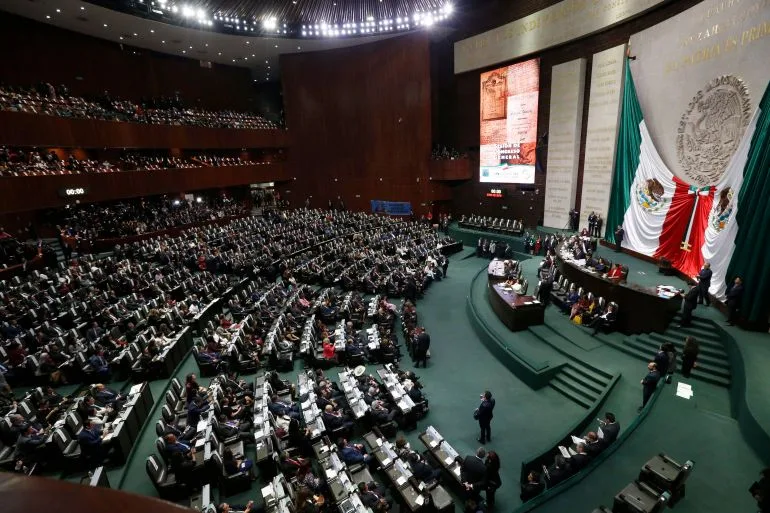
Mexico's Chamber of Deputies passed a constitutional amendment on May 28 to allow annulment of election results if foreign interference is found, with 307 votes in favor, 128 against, and one abstention [1, 2].
The amendment defines foreign interference narrowly to include illicit financing, propaganda, systematic misinformation or disinformation campaigns, digital manipulation, and intervention by foreign governments or agencies [3, 1, 2]. Supporters, including Morena party leaders, say the change protects Mexico's democracy and sovereignty. "After more than 30 straight hours of work, we in Mexico’s lower house approved reforms to strengthen our electoral system, judicial elections and Mexico’s democratic sovereignty," Morena leader Ricardo Monreal said [1].
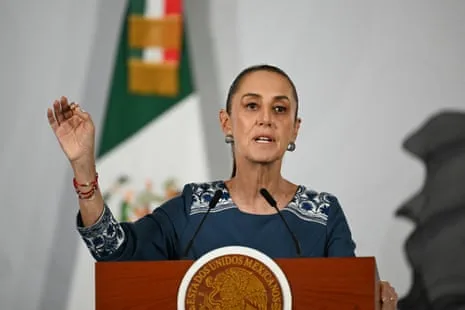
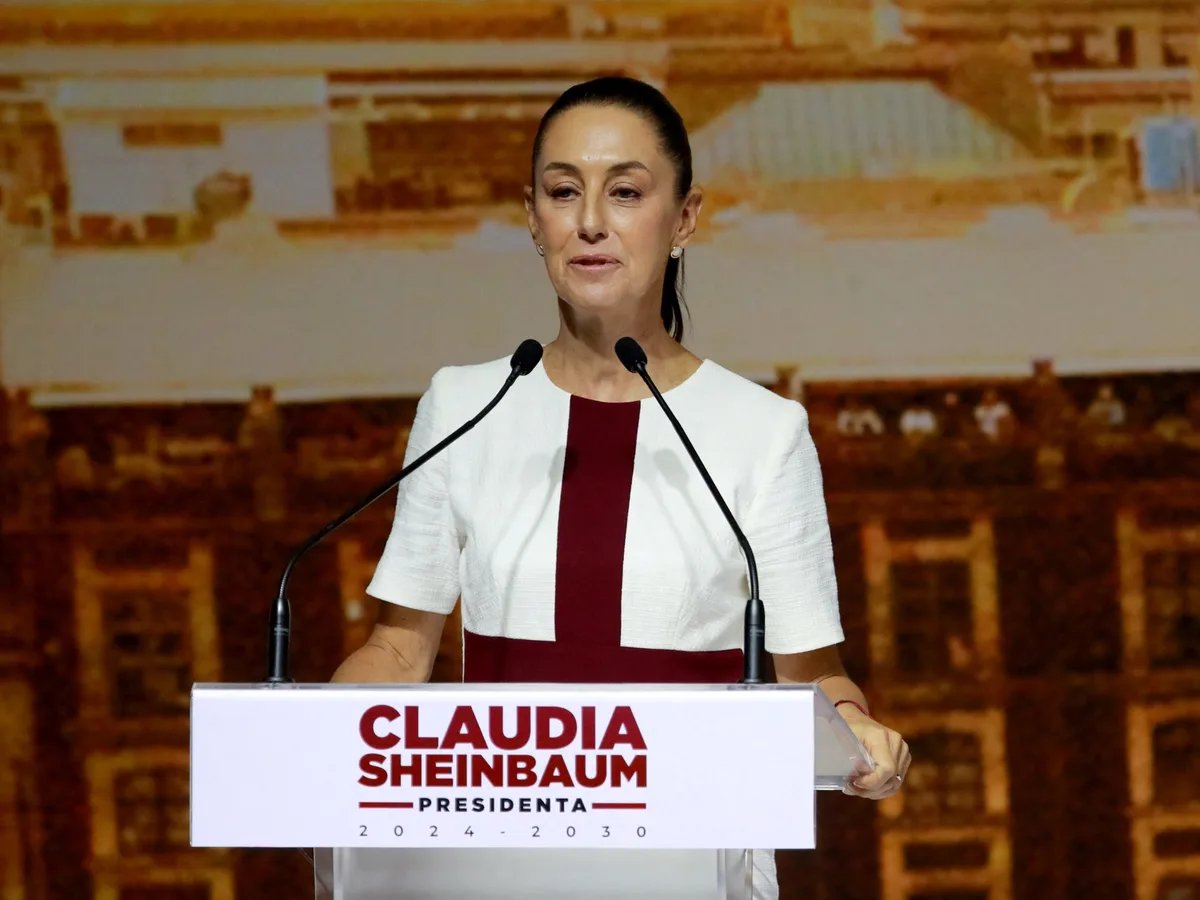
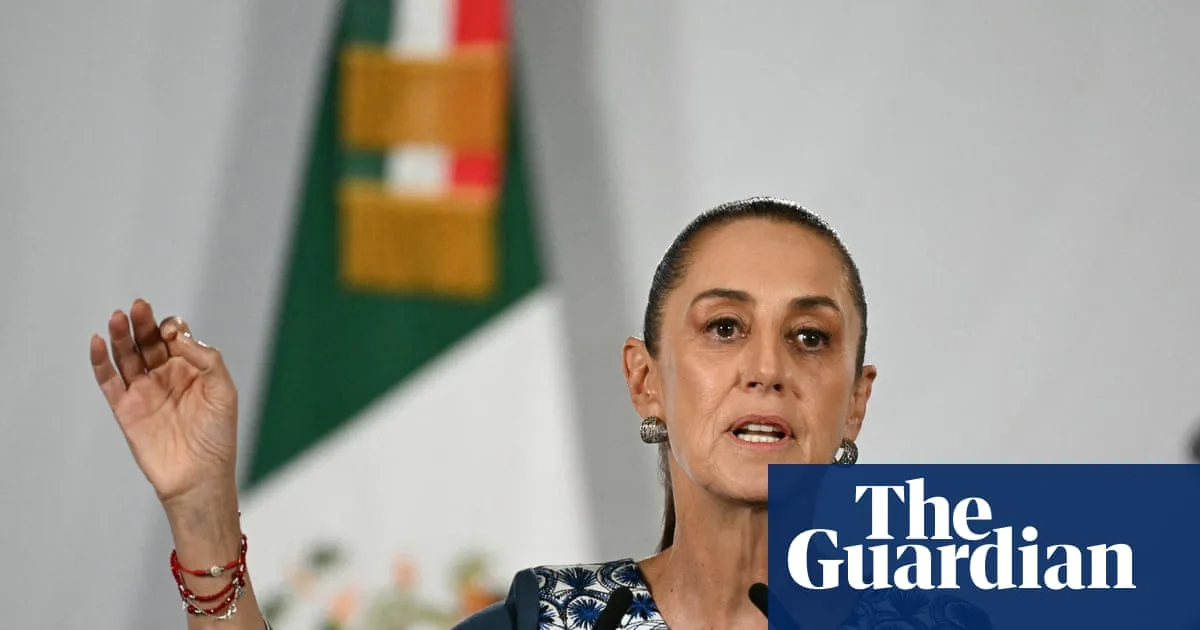
President Claudia Sheinbaum endorsed the amendment, stressing national sovereignty. She said, "All Mexicans should agree that there should be no foreign interference in elections in Mexico. We must all agree that in Mexico, we Mexicans decide who governs us" [3, 2, 4].
However, critics warn the language is broad and vague enough to be abused. Former Mexican ambassador to the US Arturo Sarukhan called the bill "one of the most egregious, alarming and retrograde pieces of legislation in Mexico’s young democratic history," arguing that it hands the government a veto over election outcomes it dislikes [3]. Opposition lawmaker Ruben Moreira said the amendment "blurs lines between interference and legitimate concern; international news or foreign advertising might be used to restrict speech or overturn results" [2].
Mexico faces increased US pressure on security, including recent indictments of 10 current or former Sinaloa officials linked to drug trafficking [3, 2]. Supporters of the amendment emphasize the need to guard electoral integrity amid such challenges [3, 1, 4].
The amendment still requires approval from the Mexican Senate before becoming law [1, 2]. It is unlikely to impact the next federal elections in June 2027 because electoral reforms must be enacted 90 days before election processes begin [1].