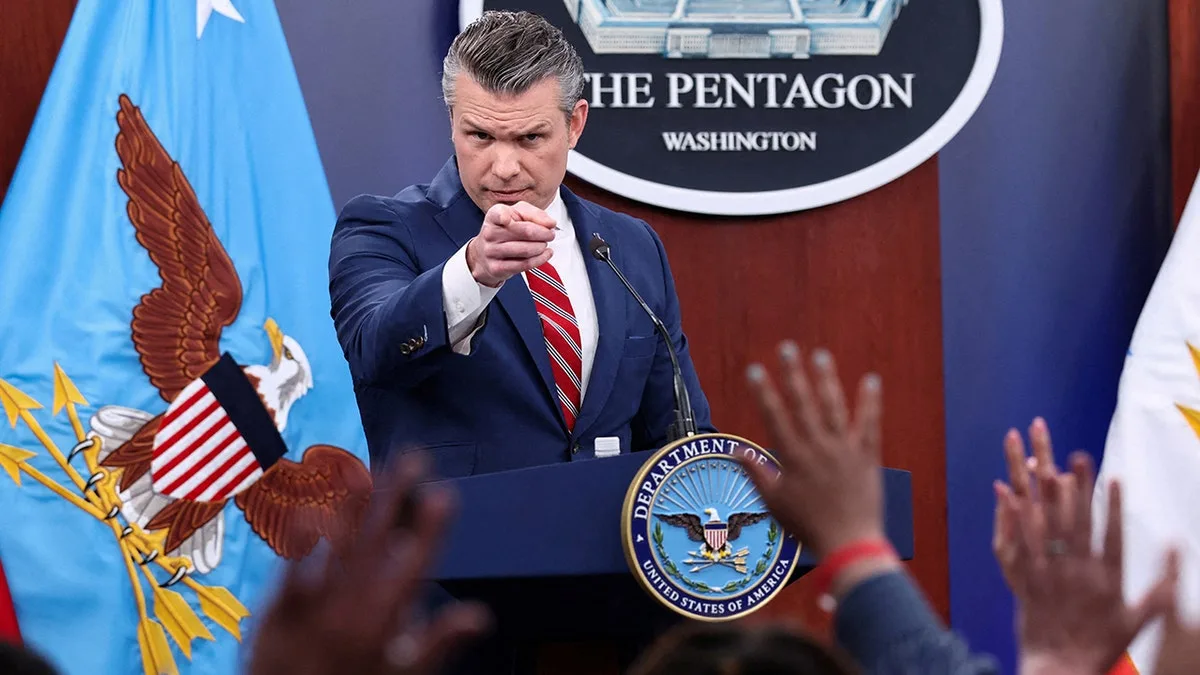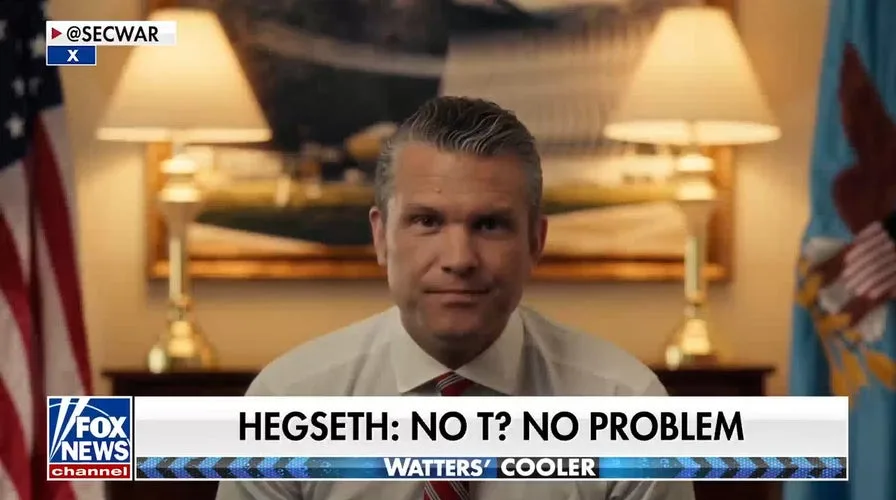
The Pentagon released clinical guidelines on September 2, 2026, requiring mandatory testosterone deficiency blood screening for active-duty and reserve male service members aged 30 and above, effective immediately [1, 2, 3, 4]. Defense Secretary Pete Hegseth announced the policy in July, stating it ensures troops remain “strong, resilient and capable” throughout and beyond their military careers [4].
Male troops under 30 will receive testosterone tests only upon request or if clinicians detect warning medical signs, according to the new guidelines [1, 2, 3, 4]. The screening protocol also covers female service members, though they are not subject to routine testosterone testing. Instead, female troops will be evaluated for fatigue and menstrual irregularities that may indicate hormonal or energy issues [1, 2, 3, 4].
The guidelines set clear protocols for treatment, including conditions when off-label testosterone prescriptions can be considered for women, particularly postmenopausal women experiencing low sexual desire [1, 2, 3, 4]. Testosterone levels naturally decline in men beginning from ages 30 to 40, which can affect physical strength and other functions relevant to military readiness [4].
The policy reiterates that testosterone use without a prescription, including for performance enhancement, remains banned within the military [4]. Some medical experts have raised concerns about the scientific basis of mandatory testosterone screening, warning it might lead to unnecessary or potentially harmful treatments [1, 2, 3, 4].
The U.S. Food and Drug Administration plans to convene an expert meeting in mid-September 2026 to assess the medical uses of testosterone, which could influence future policy adjustments [1, 2, 3, 4].