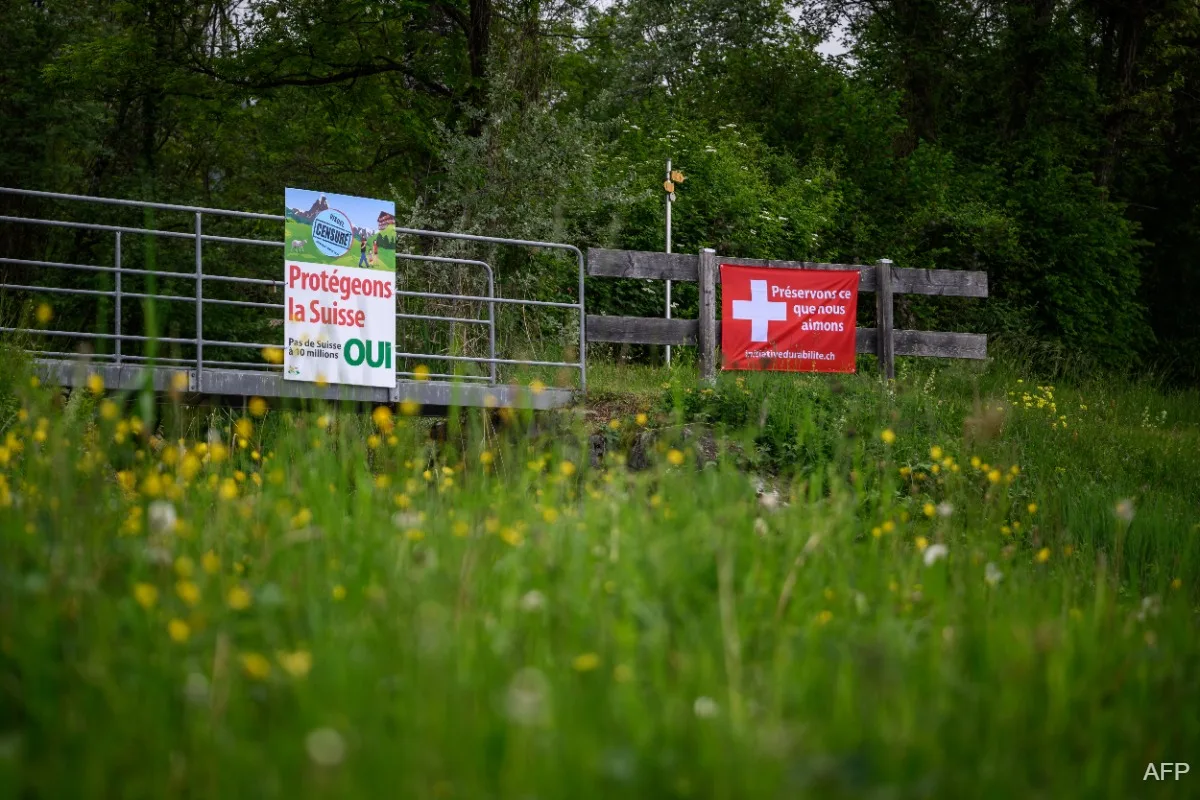
Switzerland will hold a referendum on June 14, 2026, to decide whether to limit its population to 10 million people by 2050. The current population is about 9.1 million. The proposal aims to halt population growth so it does not exceed 10 million before 2050 [1, 2, 3, 4, 5].
The initiative is led by the hard-right Swiss People’s Party (SVP), which opposes immigration and closer ties with the EU. If the population surpasses 9.5 million before 2050, the government would be required to restrict asylum, family reunification, and residency permits. If the population hits 10 million, Switzerland must end its freedom of movement agreement with the EU within two years [1, 2, 4, 5].
Ending the freedom of movement deal would trigger a “guillotine” clause causing the collapse of the entire EU bilateral agreement, including access to the single market. This would have significant economic consequences for the country [1, 2, 4, 5].
The government and most political parties oppose the initiative, warning it could cause labor shortages, strain pensions and public services, and harm Switzerland’s economy. Businesses including Roche have criticized the proposal. Roche chairman Severin Schwan called it “dangerous for our society and for the economy” [1, 2, 3, 4, 5].
Public opinion is divided, with recent polls showing roughly equal support and opposition. Without restrictions, Switzerland’s population is projected to reach about 10.5 million by 2055, exceeding the proposed cap [1, 2, 4, 5].
Switzerland is not an EU member but relies on bilateral agreements for access to the EU single market and collaboration on security, asylum, and Schengen cooperation [1, 2, 4, 5]. The referendum will determine whether Switzerland restricts immigration growth or maintains current population trends.
Swiss voters will decide on the population cap initiative in the June 14 referendum, setting the future course for the country’s immigration policies and EU relations [1, 2, 3, 4, 5].