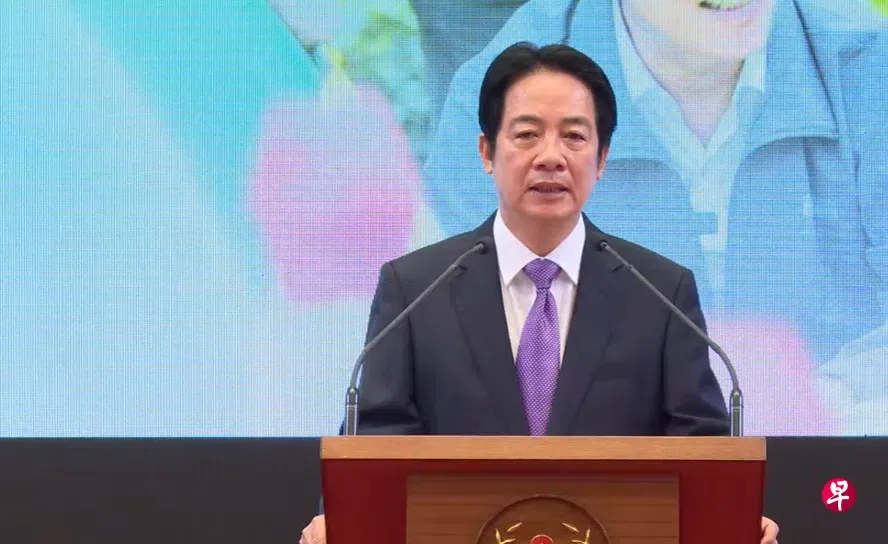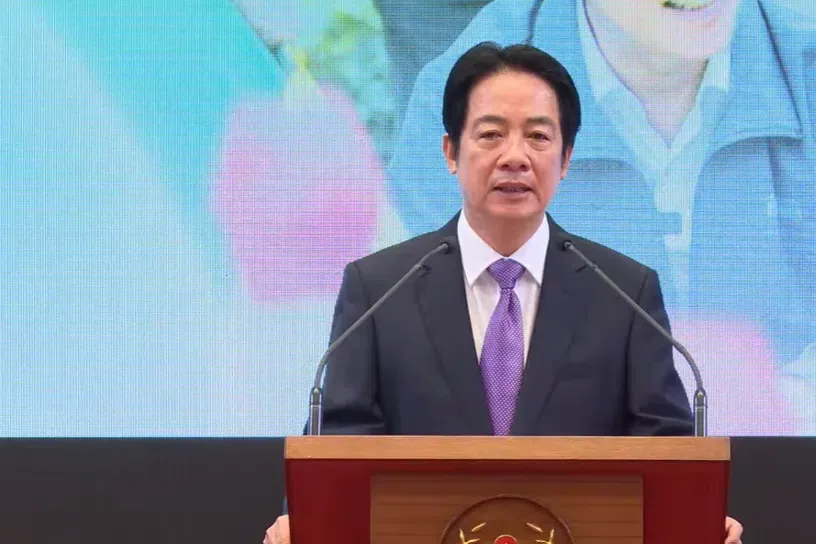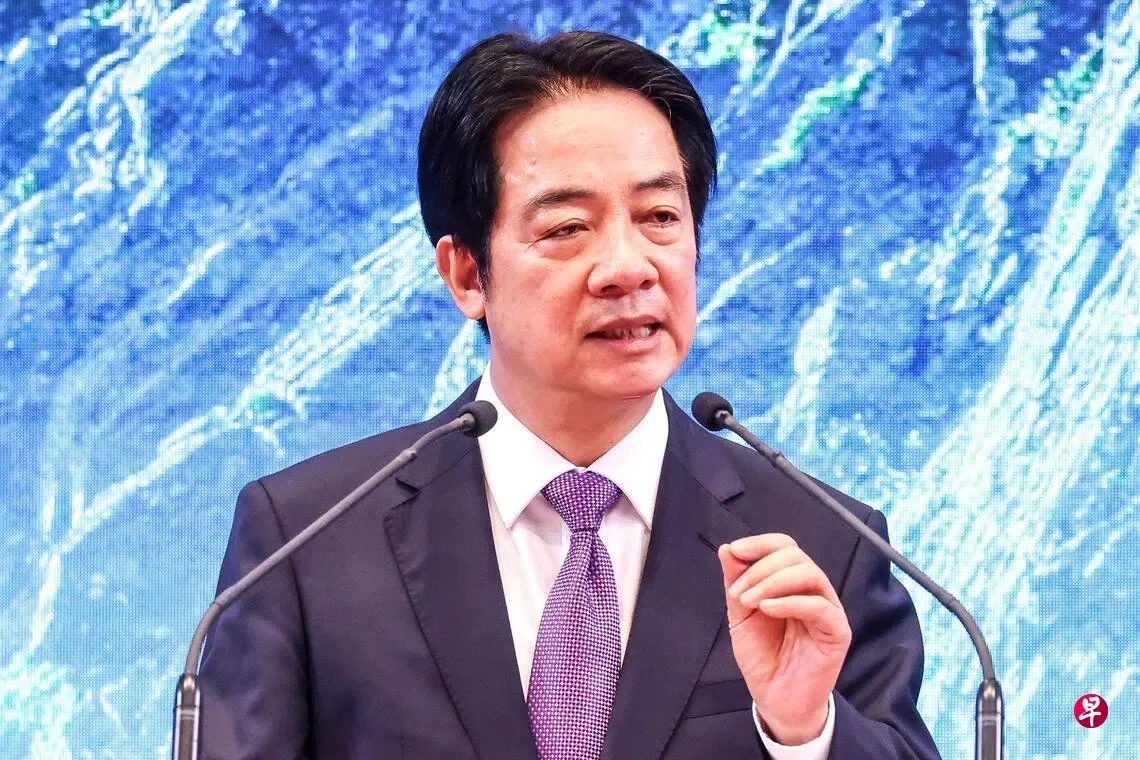
President Lai Ching-te marked his second anniversary as Taiwan president on May 20, 2026, focusing on governance achievements, defense policy, and Taiwan’s democratic values [1, 2, 3].
Lai reaffirmed Taiwan’s commitment to democracy, sovereignty, and peace, while firmly rejecting "peaceful unification" under political pressure. He said Taiwan must be capable of protecting itself and maintaining peace in the Taiwan Strait. "Maintaining peace and stability and preventing external forces from changing the status quo is Taiwan's national strategic goal," Lai said [3, 4].
The Mainland Affairs Council reacted to Lai’s speech by condemning it as deceitful, promoting separatism, and escalating cross-strait tensions. Its spokesperson Chen Bin-hua called Lai "a peace-breaker" who stubbornly upholds Taiwan independence [5]. This highlights a sharp divide over Taiwan’s stance toward China, with Lai stating openness to equal and dignified exchanges but rejecting unbalanced unification efforts [3, 4, 6, 7].
In defense, Taiwan’s legislature partially approved a reduced budget on May 8, cutting the ruling party’s original plans. Lai said Taiwan is increasing defense spending to deter war and protect its people, not to provoke conflict [2, 3]. Scheduled supplementary legislation will seek additional budget increases [8, 2].
On governance, Lai cited economic highlights including 8.68% GDP growth in 2025, 13.69% growth in the first quarter of 2026, low inflation, and the best employment figures in 15 years. Taiwan’s GDP surpassed those of Japan and South Korea last year, reaching NT$32 trillion [4, 6, 7].
Taiwan faces population challenges with 28 consecutive months of decline and more than 20% of residents over 65 years old. As of April 2026, the population stood at 23.26 million [9, 10, 11]. Lai called low birth rates a national security issue and announced a comprehensive population strategy on May 27, including monthly NT$5,000 subsidies for children aged 0 to 18. This NT$380 billion package is Taiwan’s largest fertility incentive effort [9, 10, 11].
Amendments to labor laws proposed on May 28 aim to extend family leave: marriage leave increasing from eight to 14 days, maternity leave from eight to 12 weeks, and paternity leave from seven to 14 days, with wages initially covered by employers and later reimbursed [10, 11]. A labor ministry official said, "Wages will be paid first by employers then reimbursed," outlining plans to improve workplace support for families.
Taiwan’s legislature voted on the unprecedented impeachment of Lai on May 19, the first such move in Taiwanese history [8, 1]. Polls from May 11-13 showed 56.4% satisfaction with Lai’s government and 51.8% trust in the president [8, 12].
Lai’s government plans to submit additional defense budgets and push forward its population policies, with labor law revisions entering legislative review. The next steps will test the administration’s ability to balance cross-strait pressures with domestic governance priorities.