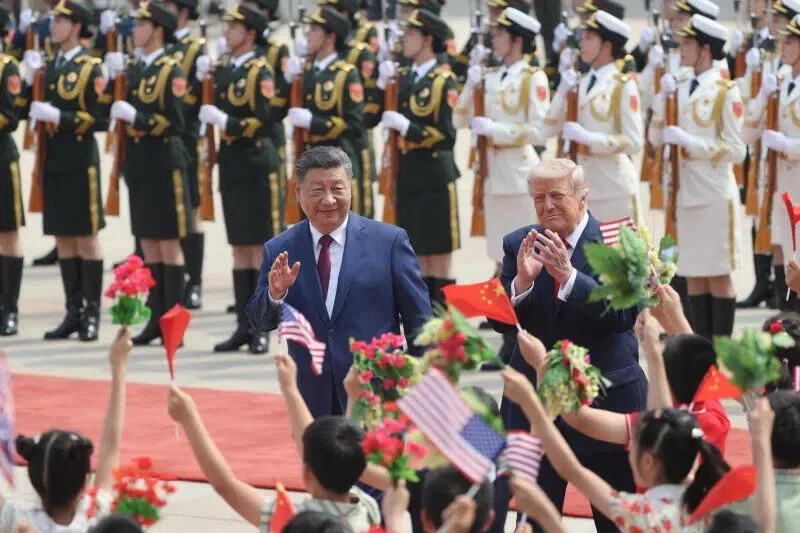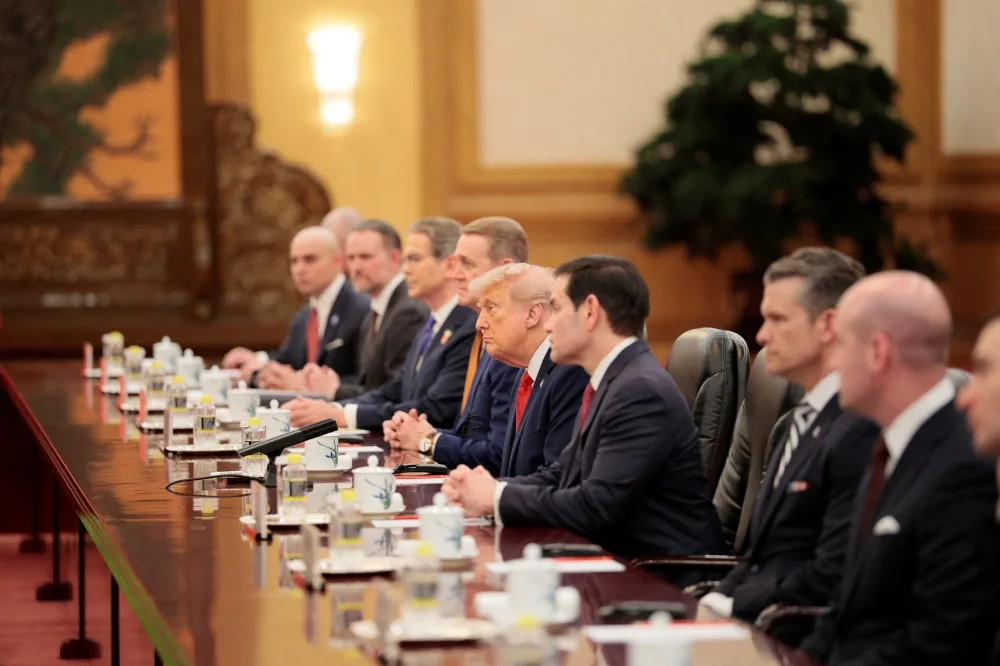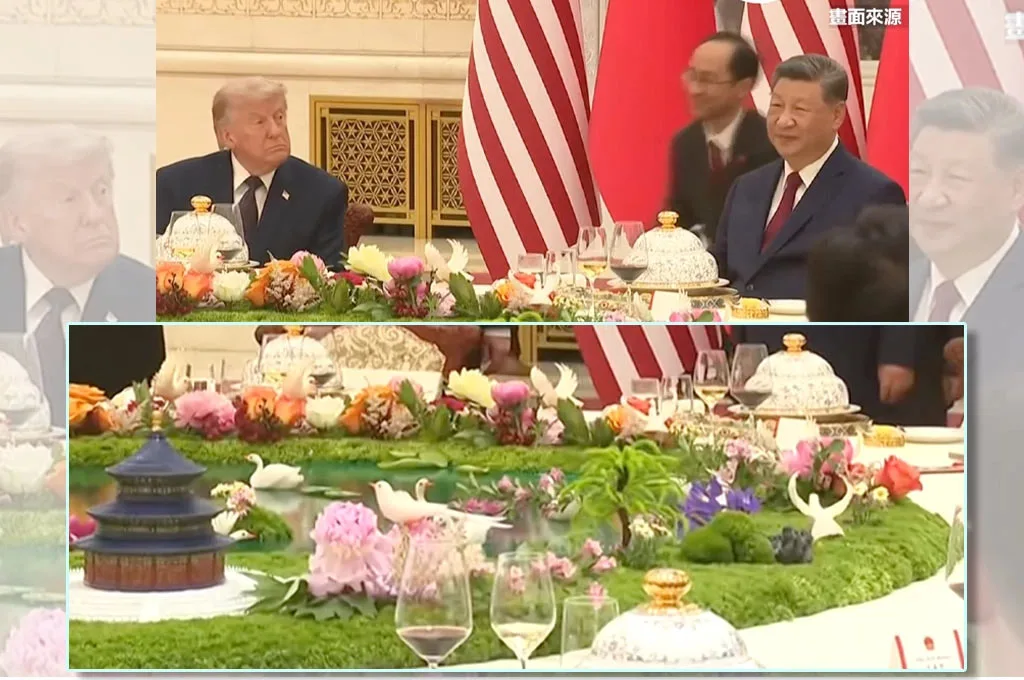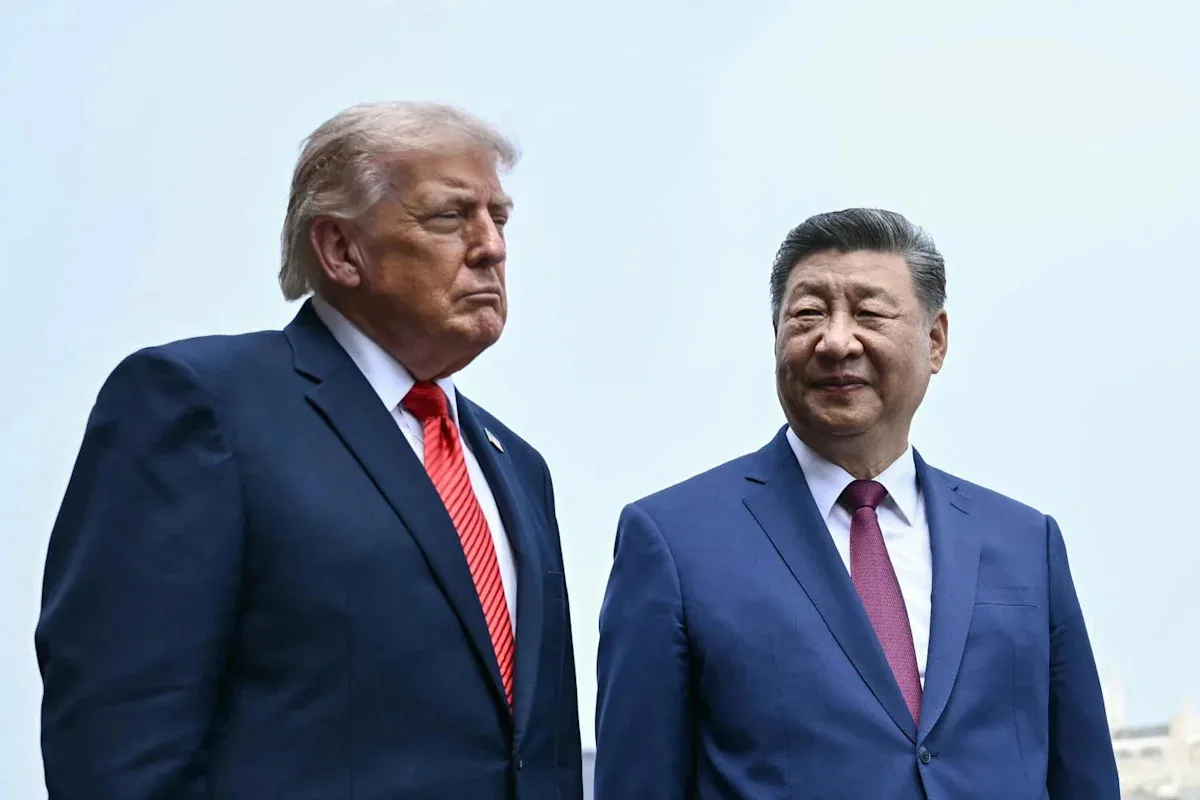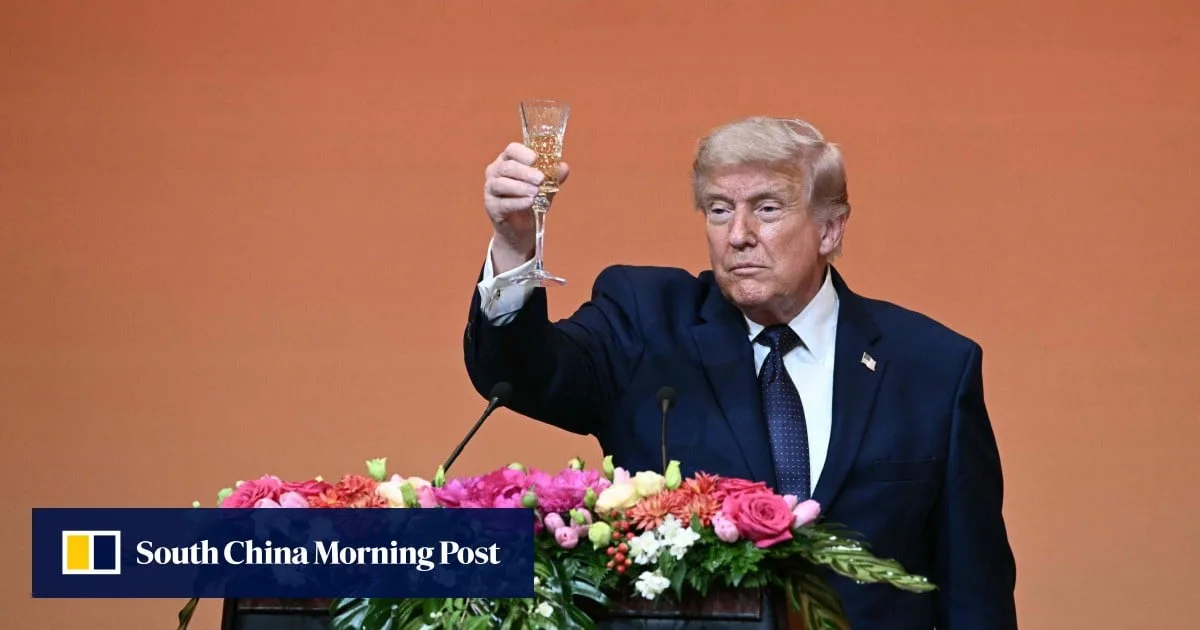
On May 14, 2026, Presidents Donald Trump and Xi Jinping attended a lavish state banquet in Beijing featuring Huaiyang cuisine, a major regional style from the Shanghai area known for mild, subtle flavors and expert knife work [1, 2, 3, 4, 5, 6]. The banquet was part of a larger diplomatic event that day, including bilateral talks and a visit to the Temple of Heaven [7, 5, 6].
Huaiyang cuisine emphasizes fresh, seasonal ingredients from the Yangtze river basin such as freshwater fish, eel, and bamboo shoots, using minimal seasoning to highlight the natural freshness of the food [1, 2, 3, 4, 5]. Dishes likely served at the banquet included tender lion’s head pork meatballs, Yangzhou fried rice, squirrel fish in sweet and sour sauce, and wensi tofu — tofu sliced into thousands of fine strands [1, 2, 3, 4, 5].
Shi Qiang, executive chef at Gui Hua Lou, said Huaiyang cuisine’s "broad appeal" makes it widely acceptable and accessible to most guests, including international visitors [1]. He explained the cuisine’s philosophy: "state banquets are not centred on luxury ingredients, they don’t rely on expensive items, extravagance is simply not the focus" [1]. He added in Mandarin, "国宴的哲学不在于奢侈或昂贵的食材,而在于那种被大众接受的平和," emphasizing the banquet’s focus on harmony over extravagance [5].
Historically, Huaiyang cuisine has been the choice for major Chinese official and diplomatic banquets, including the founding banquet of the People’s Republic of China in 1949, the 1999 50th anniversary banquet, and a 2002 banquet for US President George W. Bush hosted by Jiang Zemin [1, 2, 3, 4, 5, 6]. It is considered a safe and broadly acceptable diplomatic cuisine due to its moderate flavors and lack of extravagant ingredients [1, 2, 3, 4, 5, 6].
During the banquet, both leaders referenced historical ties between the US and China. President Trump noted the role of US President Theodore Roosevelt in founding Tsinghua University, President Xi’s alma mater. Trump said, "At the request of China’s ambassador, it was president Theodore Roosevelt who provided the funds to establish President Xi’s alma mater, Tsinghua University" [7].
The banquet echoed elements of Trump’s 2017 visit to China, when Huaiyang dishes were adapted to his tastes, featuring items like tomato stewed beef and coconut chicken bean curd resembling Western custard [5, 6]. The May 14 banquet reflected a continuation of this culinary tradition.
Earlier in the day, Trump and Xi held bilateral talks in Beijing and visited the Temple of Heaven before attending the banquet [7, 5, 6].