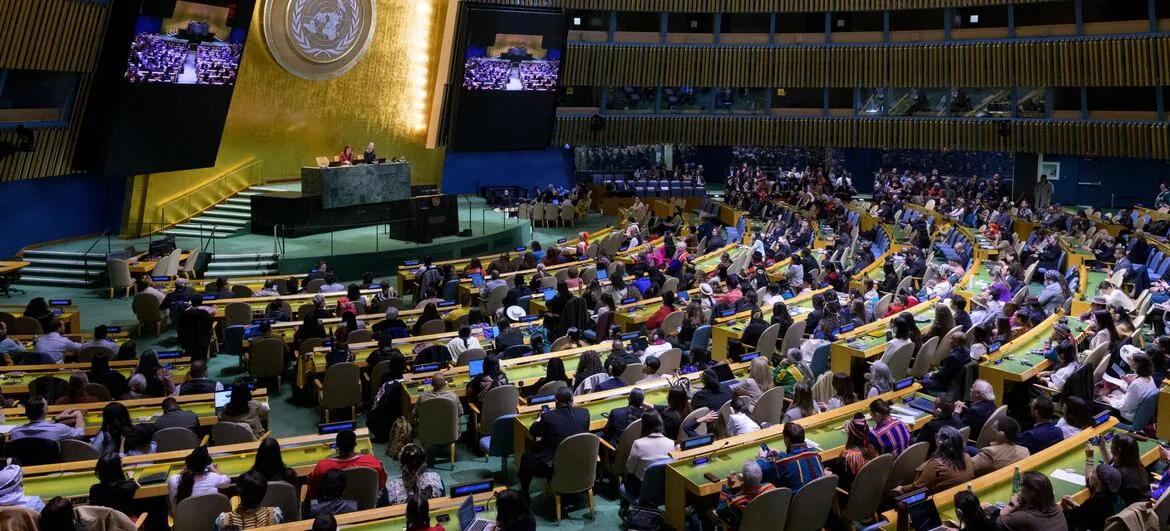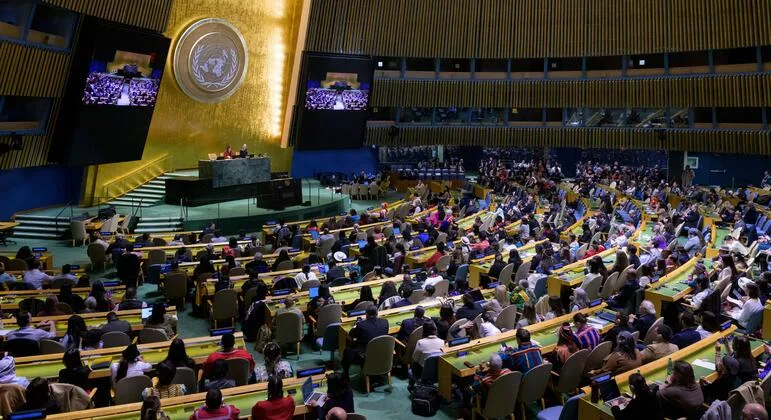
The United Nations General Assembly approved a resolution on May 20, 2026, endorsing the International Court of Justice's July 2025 advisory opinion that states have legal duties to address climate change and reduce fossil fuel use. The resolution passed by a vote of 141 in favor, 8 against, and 28 abstentions [1, 2, 3, 4, 5, 6, 7, 8, 9].
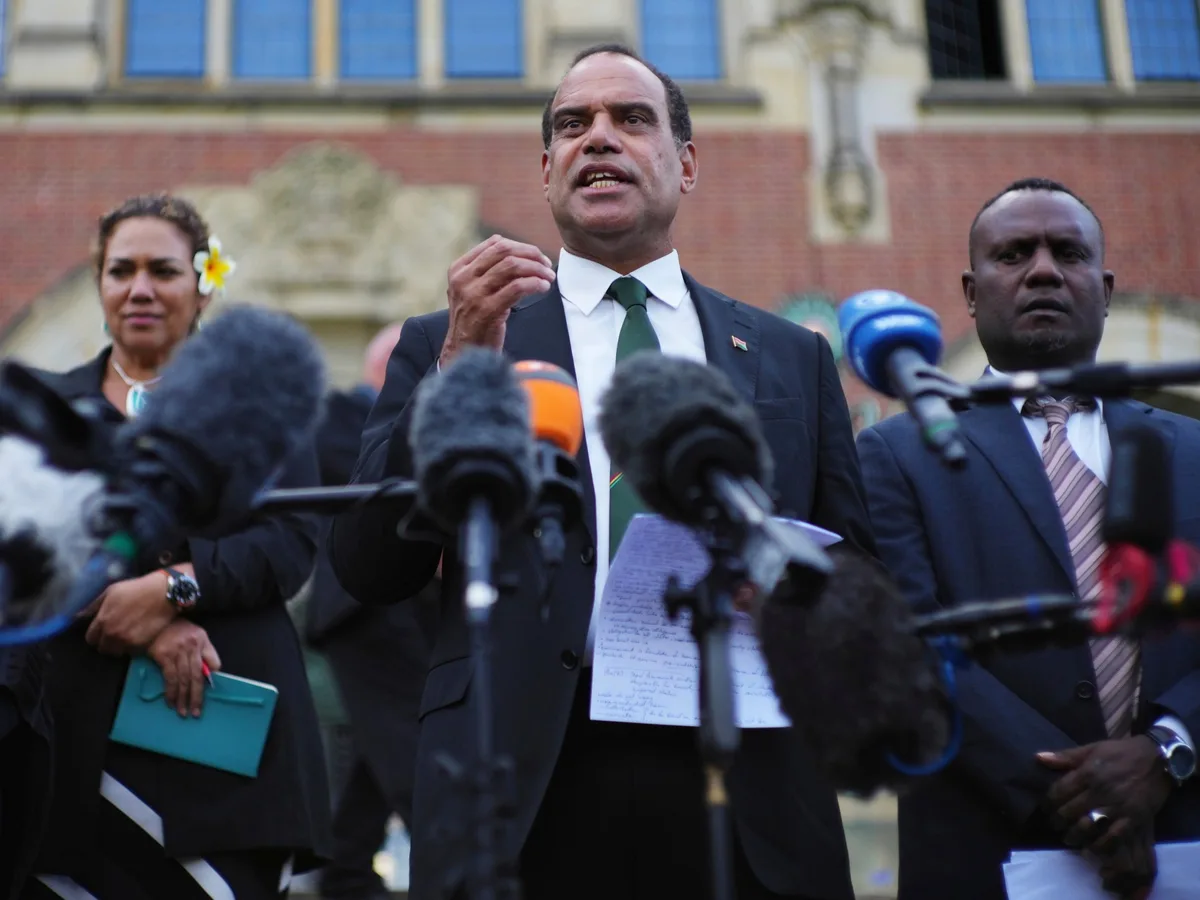
The resolution, introduced by Pacific island nation Vanuatu, reaffirmed the ICJ's ruling that countries must act to prevent substantial harm from climate change. Vanuatu’s climate minister Ralph Regenvanu called it "a victory for frontline and vulnerable communities," emphasizing that "no State is above its obligations to protect people, future generations, and our planet" [1, 2, 3, 5, 10, 6, 11, 12, 7, 8, 9].
Countries opposing the resolution included the United States, Russia, Saudi Arabia, Israel, Iran, Yemen, Liberia, and Belarus. Twenty-eight countries abstained, among them Turkey, India, Qatar, Nigeria, South Africa, and Pakistan [1, 2, 3, 4, 5, 6, 7, 8, 9]. U.S. Deputy Ambassador to the UN Tammy Bruce criticized the resolution as containing "improper political demands related to fossil fuels" [6].
The resolution calls on all nations to accelerate climate action, enhance multilateral cooperation, phase out inefficient fossil fuel subsidies, and ensure a just and equitable transition away from fossil fuels [1, 2, 3, 6, 7, 8, 9]. It requests the UN Secretary-General submit follow-up reports on how countries implement the ICJ climate obligations [3].
Although the ICJ advisory opinion is not legally binding, it is expected to provide a key legal reference for climate litigation globally [1, 2, 3, 4, 6, 8]. Earlier drafts of the resolution included provisions to establish an International Register of Damage to track harm from climate change, but these were removed after pressure from major emitters and oil-producing countries, including the US, China, EU, and Japan, weakening the resolution’s potential impact [10, 11, 12, 7, 8, 9].
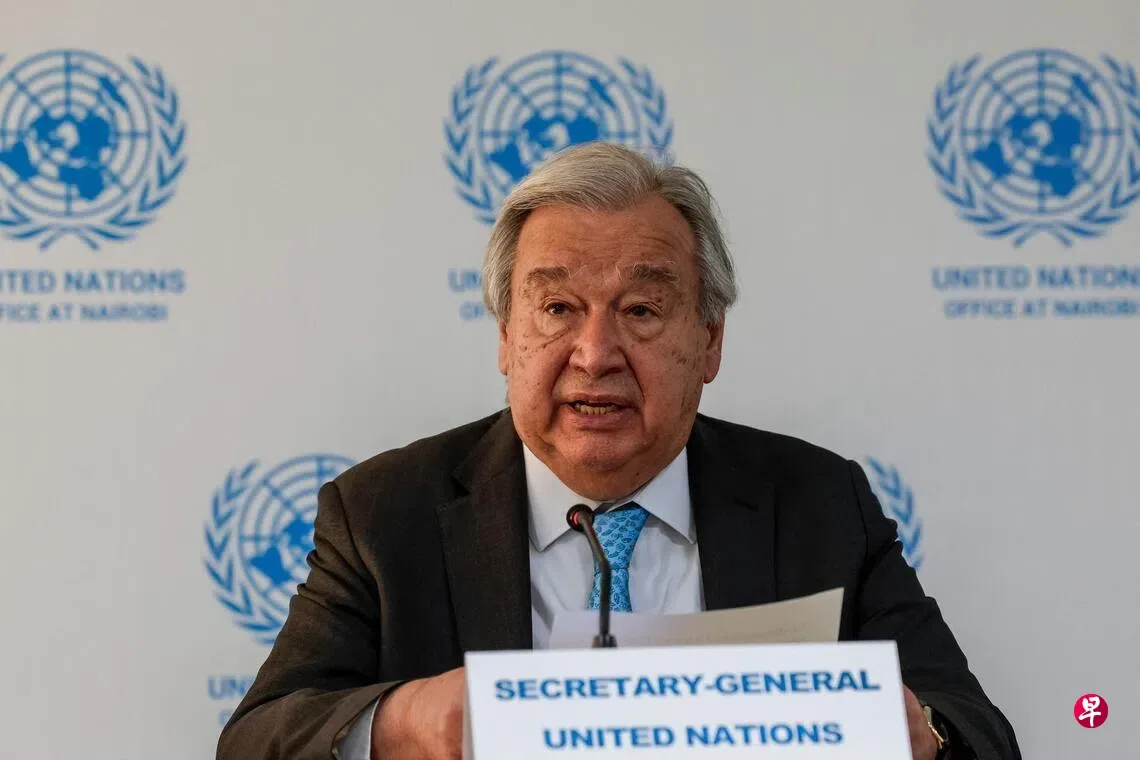
UN Secretary-General António Guterres welcomed the vote, calling it a "strong affirmation of international law, climate justice, science, and state responsibilities to protect people from the escalating climate crisis" [1, 3, 4, 6, 8, 9]. Vanuatu’s Prime Minister Jotham Napat said, "The task before all of us now is to translate legal clarity into meaningful action, stronger cooperation, and greater protection for present and future generations" [2].
Vanuatu first introduced the draft resolution in January 2024, seeking to implement the ICJ advisory opinion [10, 11]. The UN will now monitor progress on climate obligations as the Secretary-General prepares subsequent reports documenting implementation efforts [3].