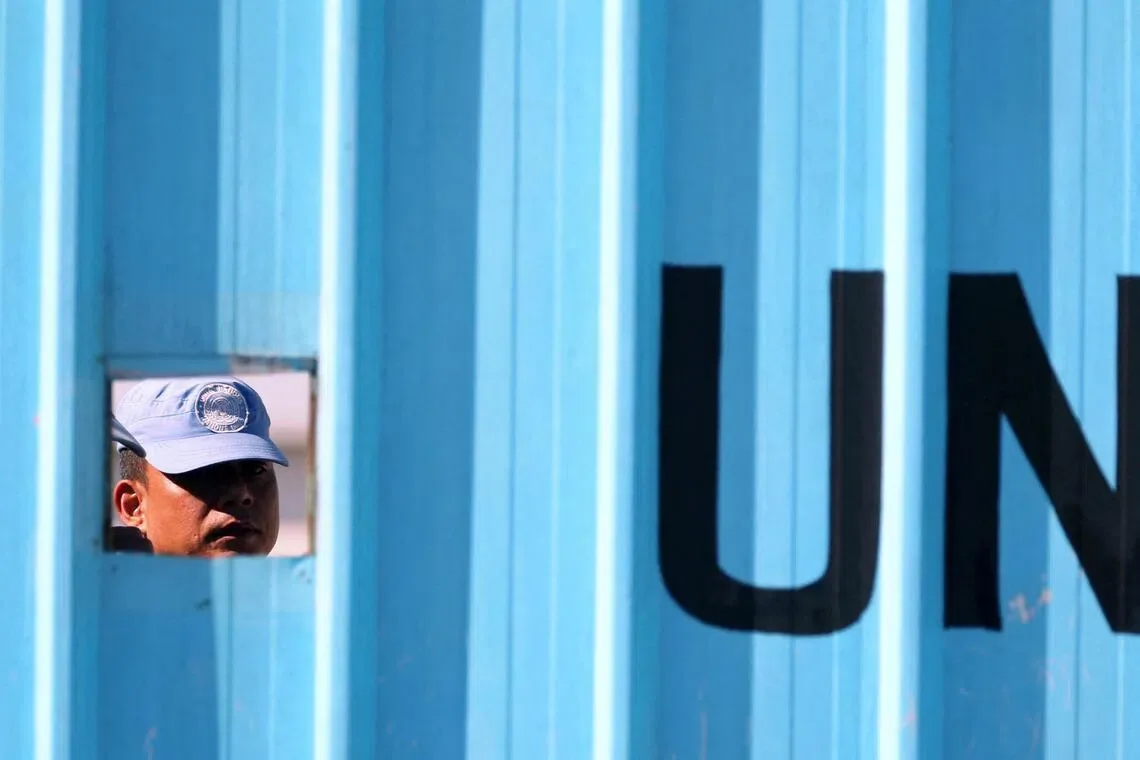
The number of international personnel deployed in UN peacekeeping missions fell to just under 79,000 at the end of 2025, marking the lowest level in at least 25 years [1, 2, 3, 4, 5]. That year also saw 58 active peacekeeping operations worldwide, the first time since 2016 the count dropped below 60 [1, 2, 3, 4, 5]. Nearly 75% of those troops were stationed in just five countries: the Central African Republic, South Sudan, Somalia, the Democratic Republic of Congo, and Lebanon [1, 2, 3, 4, 5].
The United Nations has struggled with severe funding shortfalls. For the 2024-2025 budget period, about US$2 billion of the US$5.6 billion pledged by major donors remained unpaid [1, 3, 4, 5]. These gaps have combined with geopolitical tensions to threaten the viability of peacekeeping efforts globally. Dr. Jair van der Lijn, director of the Stockholm International Peace Research Institute (SIPRI), warned, "If things continue in this way, we could see a dramatic weakening of multilateral conflict management and the near-complete sidelining of institutions like the United Nations, due to a perfect storm of funding, political and geopolitical factors" [1].
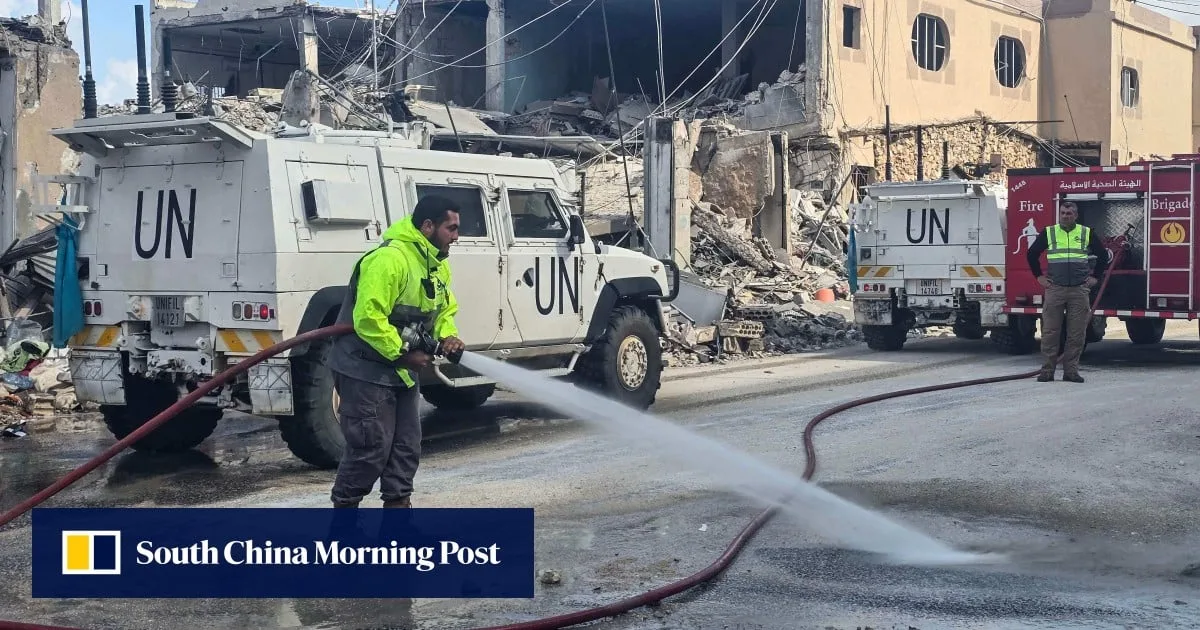
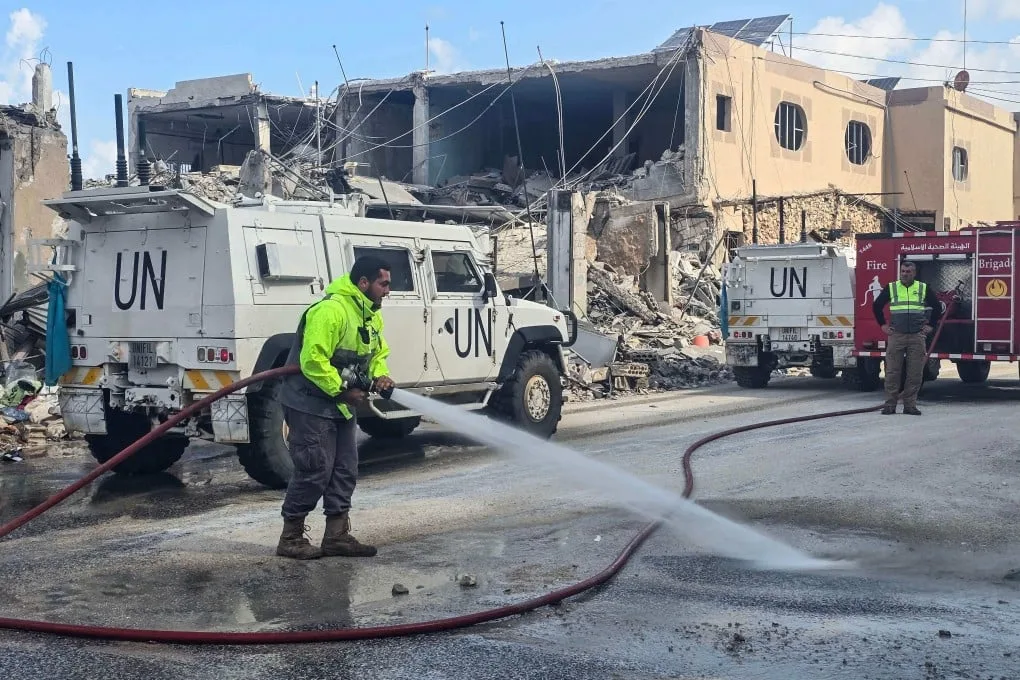
The UN Security Council's ability to renew peacekeeping mandates has been complicated by hardline demands and veto threats from permanent members [1, 3, 4, 5]. The United States notably demanded an end to the United Nations Interim Force in Lebanon (UNIFIL), despite ongoing ceasefire violations between Israel and Lebanon [1, 3, 4, 5]. As a compromise, the council voted to renew the UNIFIL mission one final time until December 2026 [1, 3, 4, 5].
SIPRI researcher Claudia Pfeifer Cruz stressed that verbal support alone will not sustain multilateral conflict management. "States will need to go beyond expressions of support – they will need to provide predictable funding and create enough political space to enable effective multilateral responses," she said [1, 3, 4, 5].
Dr. van der Lijn added, "The result is likely to be more conflicts, and these conflicts are likely to have even graver impacts on civilians as states abandon long-established norms" [1].