UN Secretary-General Antonio Guterres sent a letter to the UN Security Council on June 1, 2026, outlining three options for a continued UN uniformed presence in Lebanon after the UN Interim Force in Lebanon (UNIFIL) mandate expires at the end of the year [1, 2]. The current UNIFIL force has about 7,500 uniformed personnel from nearly 50 countries and is primarily deployed near the Blue Line separating Lebanon and Israel [1, 3].
The three proposed options vary in size and capability. Option 1 calls for about 5,525 personnel, including 350 unarmed observers, four infantry battalions of 750 armed troops each (3,000 troops total), and a 700-person reserve, offering the strongest monitoring and de-escalation capacity [1, 2]. Option 2 suggests about 2,985 personnel with 285 observers, two infantry battalions of 750 armed troops each (1,500 total), and a 450-person reserve focusing on the area between the Litani River and Blue Line [1, 2]. Option 3 would deploy around 1,215 personnel comprising 215 unarmed observers, two light infantry battalions of 450 troops each (900 armed troops), and a 350-person quick reaction force, but with more limited monitoring and no physical intervention capabilities between Lebanese and Israeli forces [1, 2].
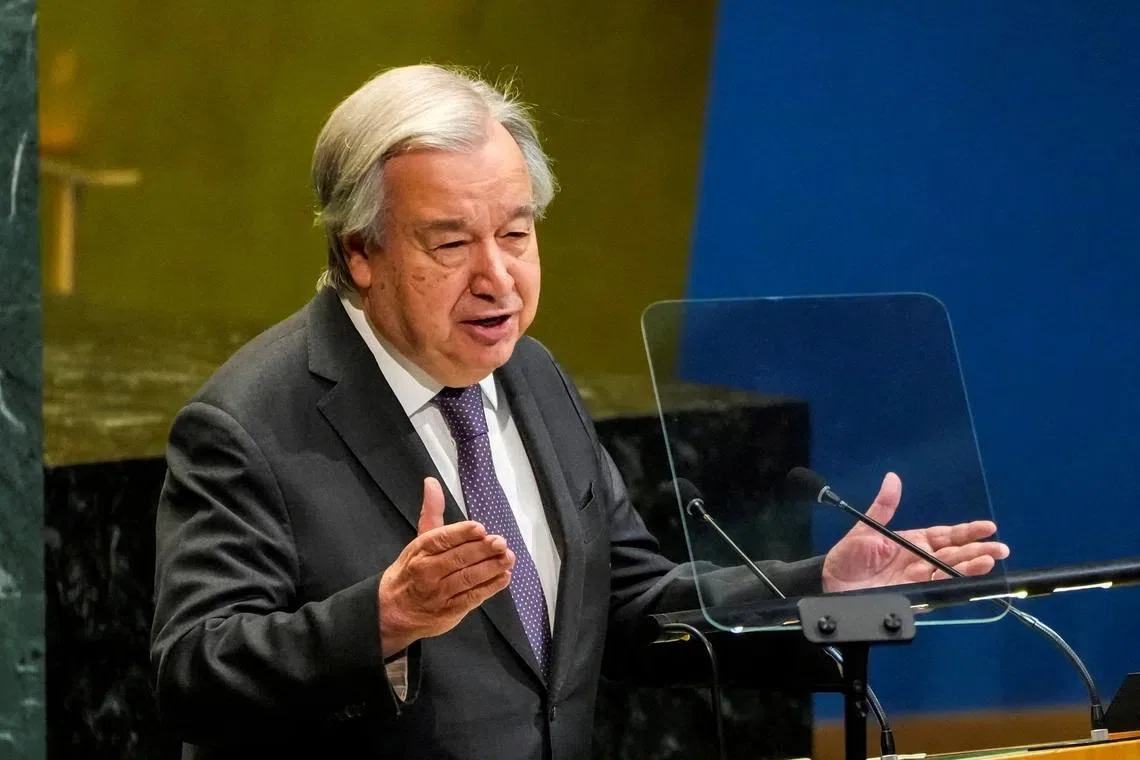
Guterres said the situation in Lebanon has deteriorated sharply since March 2026 and reiterated the need for a uniformed UN presence to support a strengthened UN political mission aiming for a long-term solution. "The situation in Lebanon has deteriorated dramatically since March 2026, and under all proposed options, a uniformed UN presence would be necessary to support a strengthened UN political mission seeking a long-term solution to the conflict," he wrote [1]. He also noted in Chinese-language remarks that maintaining armed UN forces in Lebanon after the current mission ends remains critical for regional peace [4].
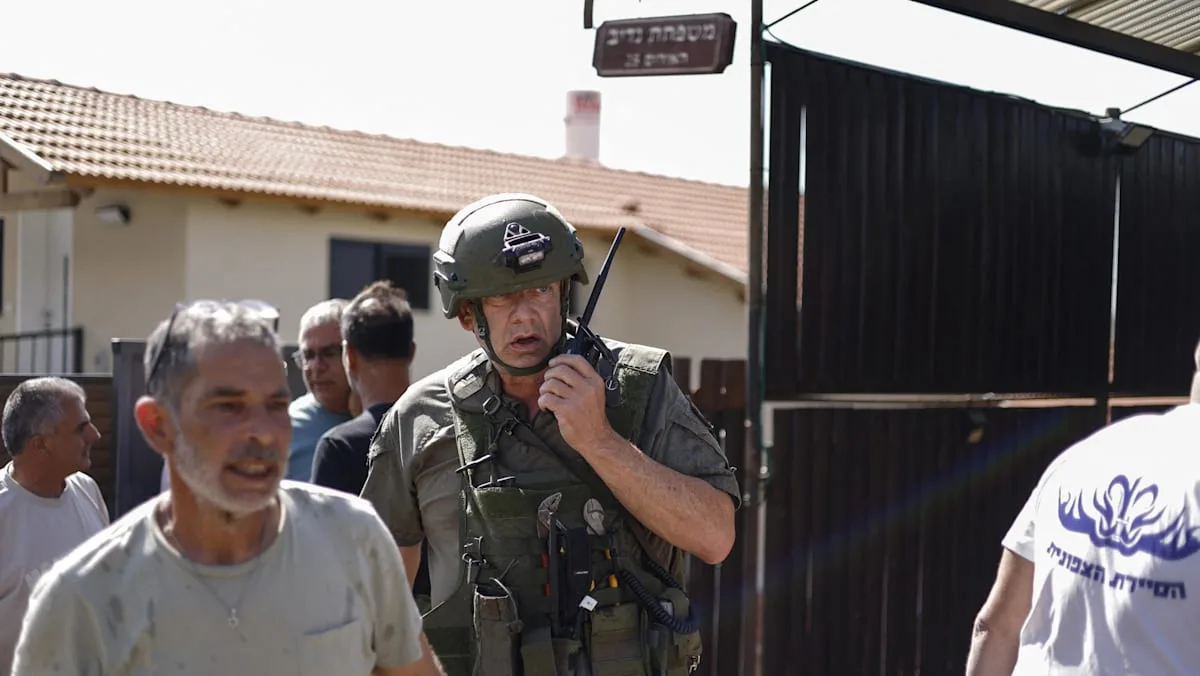
The border area remains volatile amid ongoing conflict between Israel and Hezbollah, raising concerns about stability along the roughly 120-kilometer Blue Line [4, 5, 2]. Lebanese officials prefer that the UN continue deploying a similar peacekeeping force after the current mandate ends, possibly at a smaller scale or with a tailored mission. Lebanese UN Ambassador Ahmad Arafa said the UN troops "help prompt Israeli withdrawal and enable the Lebanese government to extend authority over its territory, avoiding a power vacuum that could destabilize the situation" [5].
International views differ on the future mission. China and Russia back continuing or transforming the UN peacekeeping presence in Lebanon, while the United States has questioned the effectiveness of UN missions there and reduced funding, leading to troop cuts [5].
The current UNIFIL mandate expires December 31, 2026 [3, 5]. The Security Council is expected to consider Guterres's options and decide on the mission's future by then.