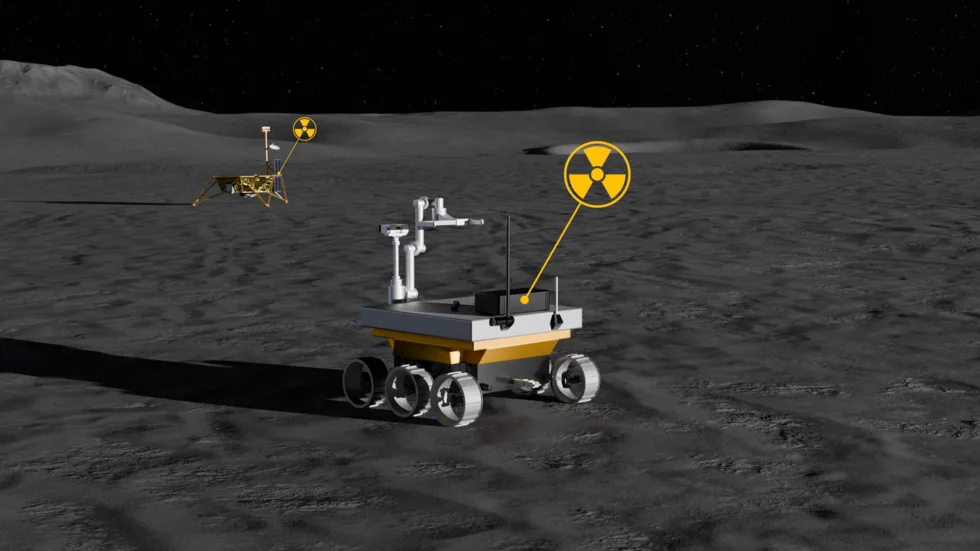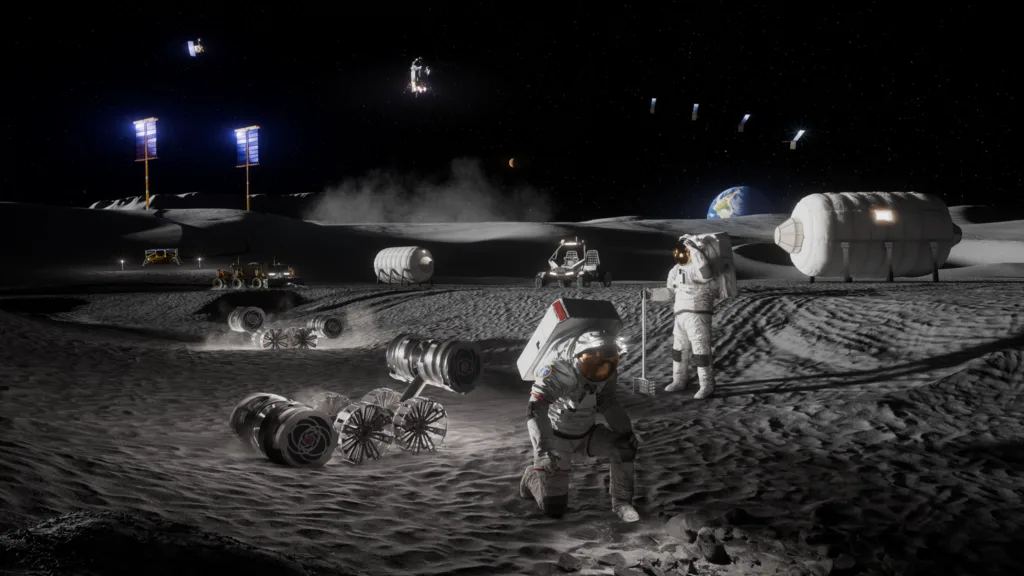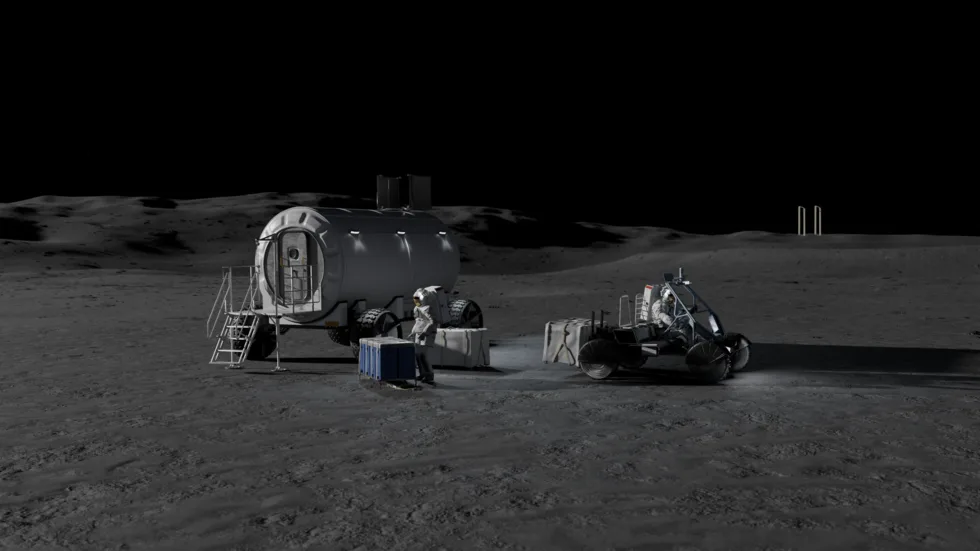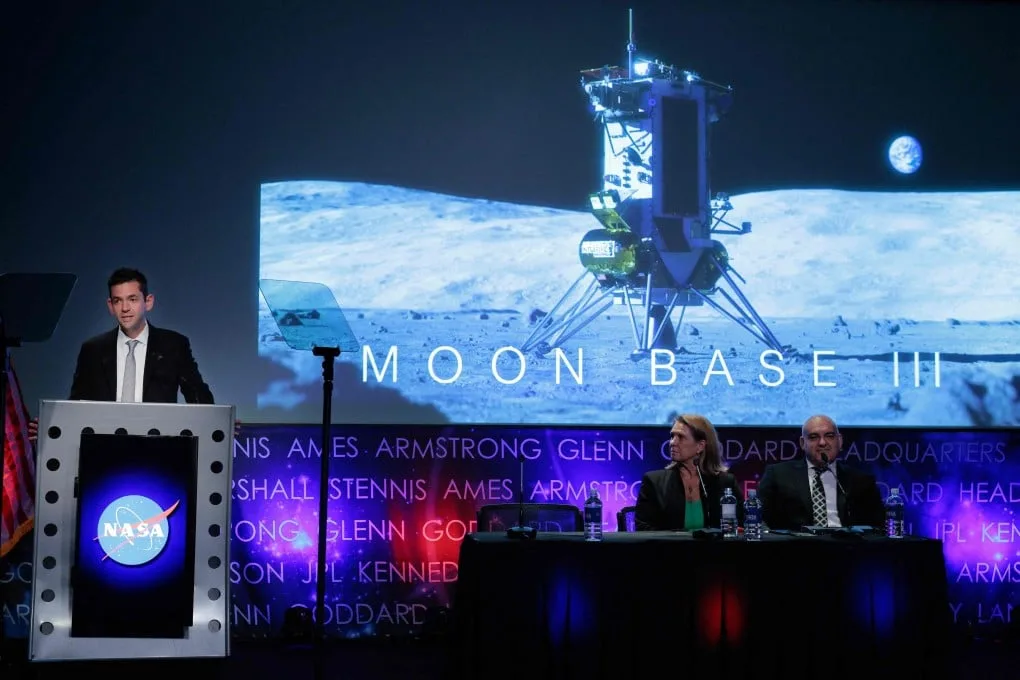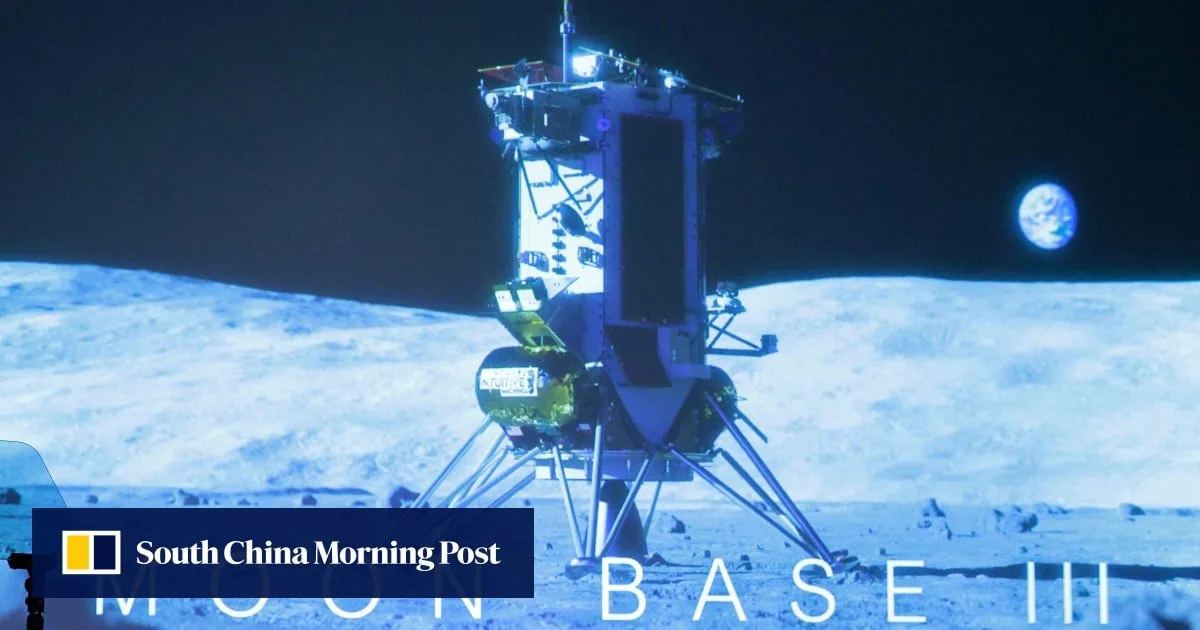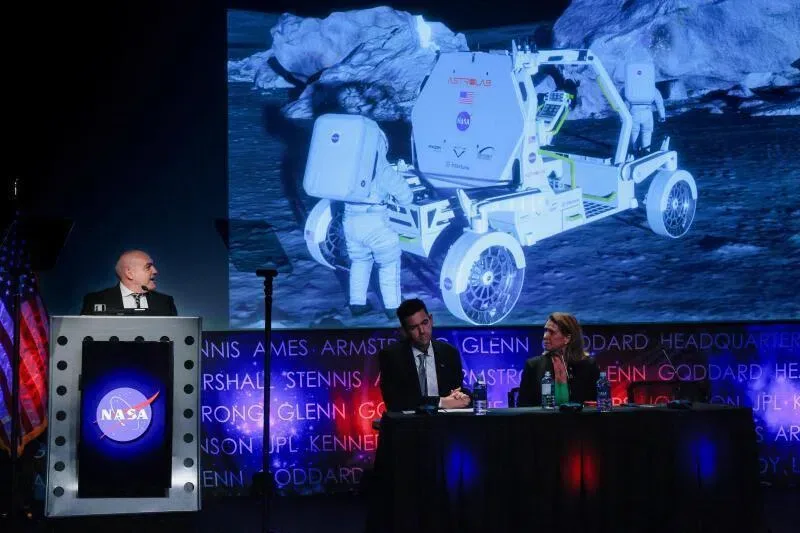
NASA announced contracts worth about $220 million each to Lunar Outpost and Astrolab to build autonomous lunar rovers for deployment near the moon’s south pole as part of its growing moon base program [1, 2]. Blue Origin will deliver these rovers using its uncrewed Mark 1 cargo lander, with each delivery contract valued at roughly $234 million [1]. Firefly Aerospace’s Elytra spacecraft will deliver the first drones to the lunar surface under NASA’s Moonfall program [1, 3, 4].
The plan calls for infrastructure including landers, rovers, drones, power generators, and additional equipment, aiming for a permanent human presence in the 2030s [1, 3, 4]. NASA expects the first phase to involve 25 launches, 21 landings, and deliver 4 metric tonnes of cargo to the moon [1].
NASA Administrator Jared Isaacman said the agency plans to invest over $20 billion across seven years to develop the base [1]. "These territory markers are meant to be respectful of other countries' spacecraft and equipment that might be nearby. He expects reciprocity in the matter," Isaacman added regarding cooperation on the lunar surface [4].
Carlos García-Galan, NASA program executive, said, "We have been working to align all the agency resources across NASA to basically deliver on this objective of building a moon base" and added, "Then we'll be able to say, 'Hey, we're permanently here and we're not giving it up.'" [1, 4]
Notably, Intuitive Machines, which conducted two commercial moon landings in 2024 and 2025 but experienced landing failures, was not awarded rover contracts [1].
Artemis III, targeting mid-2027, will conduct orbital docking and lunar landing exercises, with astronauts expected to land as soon as 2028 near the moon’s south pole base site [3, 4]. This mission follows April 2026’s Artemis II flight, which carried four astronauts around the moon farther than Apollo crews went [3, 4].