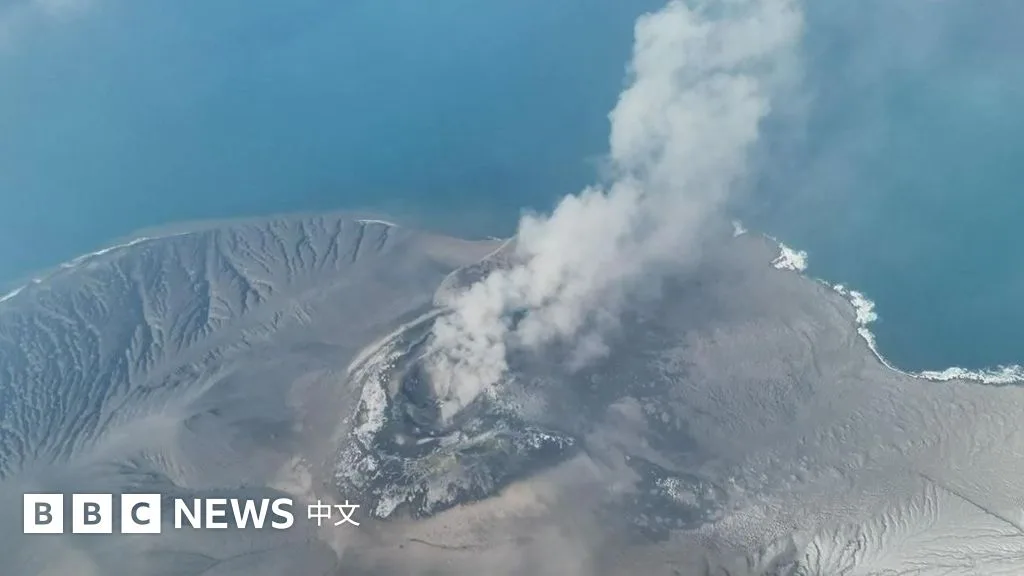
Anak Krakatau volcano began erupting late on September 4, 2026, sending lava fountains and ash clouds high into the sky between Java and Sumatra islands in Indonesia’s Sunda Strait [1, 2, 3]. Volcanic ash plumes reached as high as 15,000 meters (about 50,000 feet) over Sumatra and 6,000 meters (about 20,000 feet) over Java, severely impacting nearby airspace and airport operations [1, 2, 3, 4].
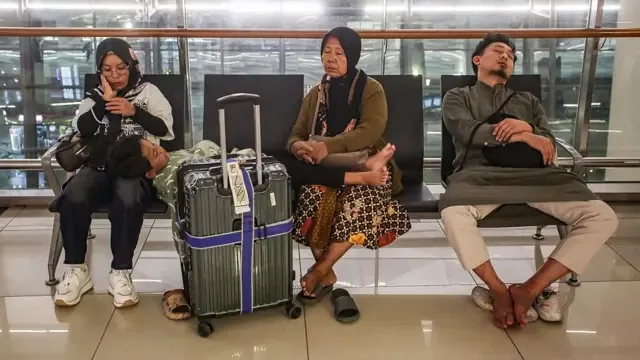
At least six to eight airports in Indonesia, including the major Jakarta Soekarno-Hatta International Airport and Bandung’s Husein Sastranegara Airport, suspended operations from September 6 due to ash contamination [1, 2, 3, 5, 6]. Jakarta’s airport closure, initially planned for early morning September 6, was extended multiple times, delaying or canceling over 200 flights and affecting more than 22,000 passengers there alone [1, 7, 6].
The disruptions escalated to affect more than 1,500 flights according to some reports, with others estimating over 2,300 flights canceled or delayed, impacting between 170,000 and 270,000 passengers nationwide [1, 2, 3, 6]. Domestic flights and international routes from Jakarta to Singapore, Doha, Sydney, and Kuala Lumpur were among those canceled. Malaysia Airlines and AirAsia suspended numerous flights between Malaysia and Jakarta, with 31 Malaysian flights canceled and two flights diverted to Kuala Lumpur International Airport (KLIA) confirmed by Malaysian authorities [1, 2, 8, 9, 4, 10].
Thousands of stranded passengers, including many Malaysians, faced difficulties securing accommodation and rescheduling flights. One passenger shared on social media feeling "stuck in Indonesia" as hotels were fully booked [11]. Despite frustrations, a 44-year-old passenger named Henni said, "Everyone felt disappointed but no one lost their temper since this is a natural disaster" [6].
Indonesia’s Transportation Minister Dudy Purwagandhi explained more airport closures as volcanic ash spread into West Java and urged airlines to "expedite refunds and provide timely flight information to avoid overcrowding" [1]. He also confirmed Bandung and six other airports, including Lampung’s Radin Inten II, remained suspended [6]. Meanwhile, Indonesian volcanologist Surono described the eruption as "unusual," with dry and windy weather spreading sulfur and silica-rich ash that risks aircraft engines [2].
Local health officials advised residents in nearby areas to stay indoors and wear masks to protect against ash irritation to eyes, skin, and lungs. School activities were canceled in some areas due to eye irritation, and fishermen suspended sea trips for safety [1, 7].
Despite ongoing eruptions on September 6 including a recorded ash plume at 20:23 local time, authorities reported no tsunami alert [1, 7, 5, 6]. Geological agency head Lana warned that seismic activity showed volcanic fluids still moving underground, making the timing of further eruptions unpredictable and the area dangerous [6].
Flight cancellations and airport closures remained in effect on September 7, with Malaysian authorities continuing to handle diverted flights and provide support from KLIA [8, 3, 10].