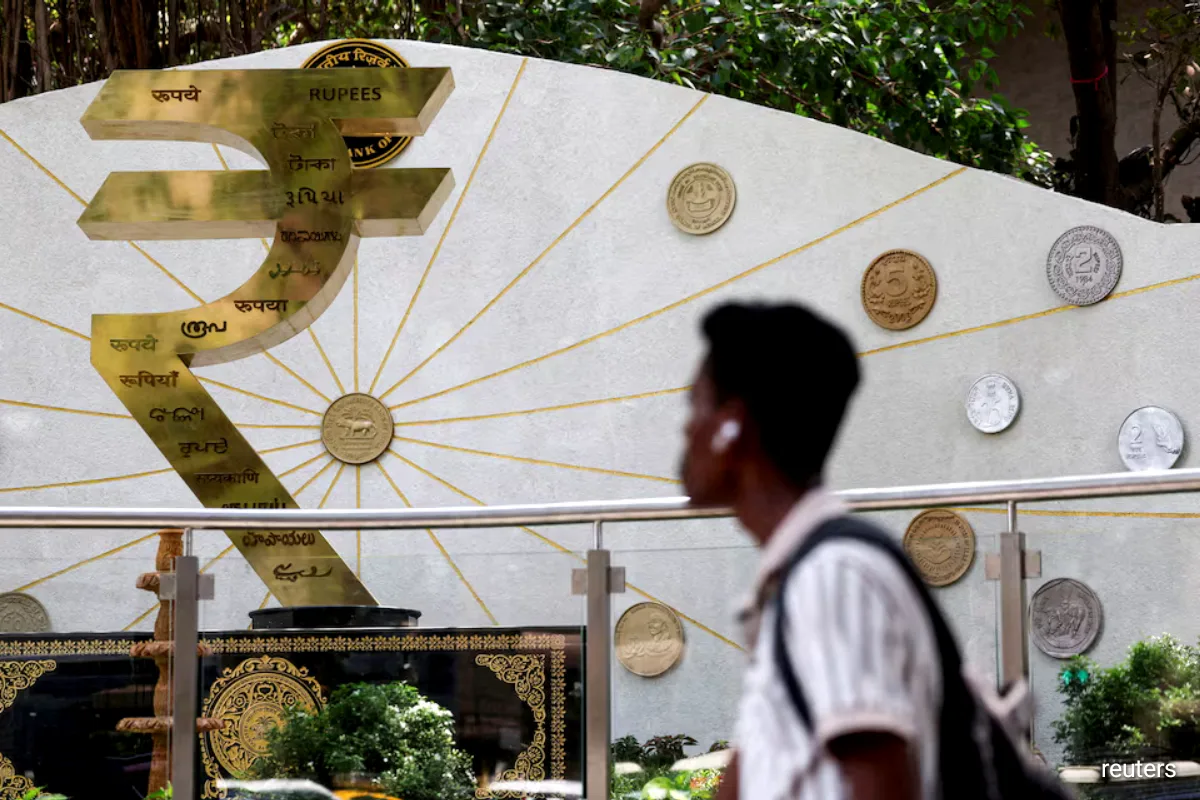
Indian companies and non-bank financial lenders are slowing their corporate bond issuances due to borrowing costs rising to the highest levels in over seven years. Yields on AAA-rated Indian corporate bonds with maturities of 2-5 years climbed above 8%, marking a peak not seen since early 2019, according to LSEG benchmarks [1].
The rise in borrowing costs follows expectations of higher policy interest rates and tighter liquidity conditions imposed by the Reserve Bank of India (RBI). Venkatakrishnan Srinivasan said, "The sharp rise in corporate bond yields increases borrowing costs and is likely to delay fund-raising plans for many issuers" [1].
The total corporate bond issuance by Indian firms in April-May 2026 fell to 1.07 trillion rupees ($11.24 billion), the lowest level at the start of a fiscal year since 2022 and down from 1.75 trillion rupees during the same period last year [1]. This has prompted companies to postpone bond sales and pivot towards floating-rate bonds, short-term borrowings, and bank loans instead [1].
Bank credit to non-banking financial companies (NBFCs) surged nearly 28% in April 2026 to 20.56 trillion rupees, reflecting a shift to bank financings [1]. Binod Kumar, CEO of Indian Bank, noted, "Earlier when NBFCs approached us, they also asked quote for bonds along with loans, now they are only focusing on loans, and we are expecting this business to grow through the year" [1].
In Southeast Asia, Malaysia introduced a regulation effective June 2026 requiring shopping malls to establish recycling centers as a condition for operational license applications and renewals. The effort aims to improve solid waste management, with Minister Nga Kor Ming stating, "Shopping malls are among the most frequently visited locations by the public. By having recycling facilities in these strategic locations, people will have easier access to separate and deliver recyclable materials" [2].
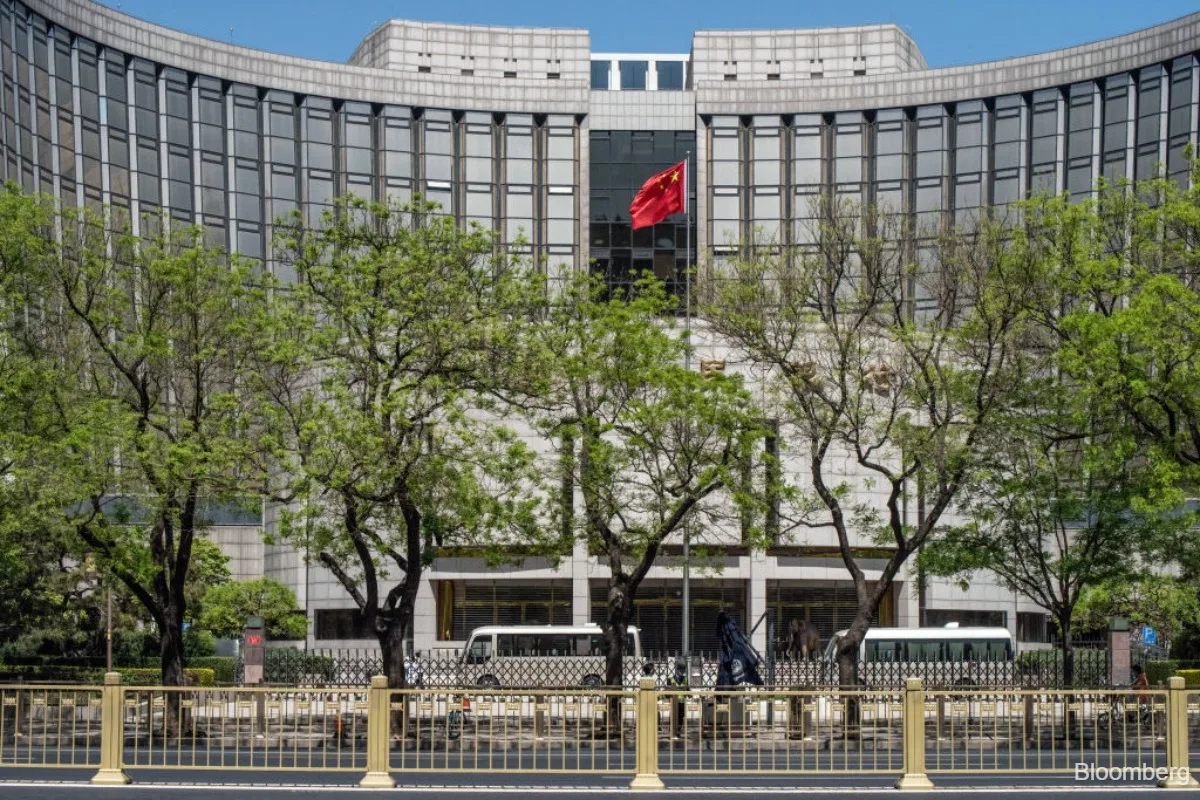
China’s People's Bank (PBOC) paused daily liquidity operations on June 3, reducing reverse repurchase auctions to zero for the first time since August 2024. This zero volume is seen as pushing idle bank cash into the economy without signaling a shift in monetary policy [3]. Meanwhile, China increased its gold reserves for the 19th consecutive month in May, reaching 74.96 million fine troy ounces [4].
Inflation data from the region showed easing pressures with the Philippines reporting a slowdown to 6.8% annual inflation in May 2026, down from 7.2% in April, and Thailand posting a 2.79% year-on-year headline inflation rate below forecasts [5, 6].
Japan's economy grew an annualized 1.8% in the first quarter of 2026, slower than initially estimated, with capital expenditure declining 0.7% [7].
Analysts observing Malaysian corporate earnings noted weaker momentum in the first quarter of 2026, with more earnings misses than beats. RHB recommended a cautious investment approach, advocating "a core defensive investment stance, coupled with a trading mentality anchored on a buy-on-weakness strategy" [8, 9].