Malaysia is building a future-ready maritime economy with resilient ports, diversified energy, digital infrastructure, secure shipping corridors, and regional cooperation, Transport Minister Anthony Loke Siew Fook said today [1]. He highlighted Malaysia’s strategic location in the Strait of Malacca, where about one-quarter of global goods and much of Asia's energy imports pass annually. "Malaysia is strategically positioned in the centre of gravity," Loke said [1]. The government plans to accelerate port modernization, deploy automation, expand logistics networks, and enhance maritime security to capture trade opportunities and stabilize regional supply chains [1]. Shipping routes have lengthened from about 4,800 miles in 2018 to 5,200 miles today due to disruptions in the Red Sea and Strait of Hormuz [1].
Malaysia secures long-term supply agreements with Russia covering oil, gas, and diesel for at least 20 years to support logistics and energy stability [2]. The government pursues neutral diplomacy with Russia, the US, and China to ensure continuous energy supplies. Loke said, "We take a bold approach in diplomacy with all countries... to ensure access to sufficient and continuous energy resources" [2]. Malaysia views the 60-day sanctions relief on Iranian crude oil as positive but uncertain for diversifying oil supplies [2]. The UAE’s May 2026 exit from OPEC opens cooperation opportunities on energy transition, clean energy, and sovereign wealth investments [3]. Malaysia imported RM11.15 billion in crude petroleum and RM4.23 billion in downstream products from UAE in 2025 [3].
Between 2021 and 2025, Malaysia approved RM1.7 trillion in investments covering 30,301 projects, expected to create 825,502 jobs, with foreign investment accounting for RM940.25 billion or 54.6% of total [4]. Political factors like next general elections do not primarily drive foreign investment, which instead depends on economic fundamentals, supply chain resilience, and clear policies [4]. Malaysia also welcomes growing German SME investments in green technology, renewable energy, and water management, with more than 800 German companies operating in the country [5].
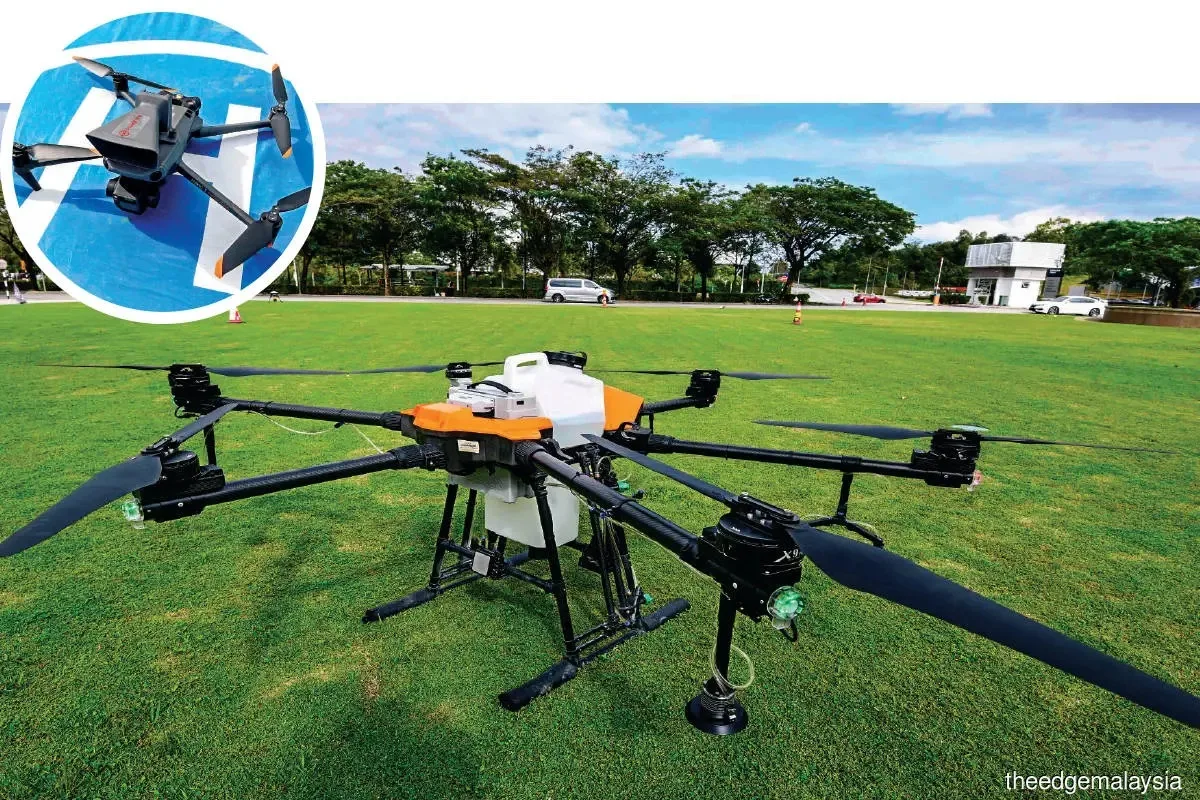
Malaysia’s low-altitude economy (LAE) sector is growing, including drone use for smart farming and media, under safety regulations by the Civil Aviation Authority of Malaysia [6]. Guidelines on LAE airspace integration for drones and advanced air mobility are expected by end-2026 [6]. Renewable energy capacity reached 13.3 gigawatts by 2025, led by solar, with a planned 1,000 MW solar project in the Johor-Singapore Special Economic Zone [7].
Data centres in Malaysia used about 54% of approved electricity capacity and 51.4% of water capacity as of early 2026. The government requires comprehensive assessments before approval to ensure water and power sustainability. A national water reclamation policy study is underway aiming to increase reclaimed water production from 48.5 million litres/day currently to 118 million litres/day by 2030 [8, 7].
Selangor state aims to strengthen its position as Malaysia’s aerospace hub by expanding maintenance, repair and overhaul (MRO) capabilities, talent training, and the investment ecosystem. Selangor houses nearly 70% of Malaysia’s aerospace companies, supported by Sultan Abdul Aziz Shah and Kuala Lumpur International Airports [9].
Malaysia Aviation Group (MAG) works on workforce investment, business diversification, and collaboration to build resilience in a sector with slim margins and rising fuel costs. MAG CEO Capt Nasaruddin A Bakar said, "There will always be another crisis. It's only a matter of time. The important thing is ensuring we are prepared to face it." He noted MAG hedged 36% of its 2026 fuel needs amidst annual fuel cost impacts of RM51 million per US$1/barrel increase [10]. MAG experienced over 10,000 flight cancellations in late 2024 due to supply disruptions, affecting more than one million passengers [10].
Malaysia expanded air connectivity with China and Indonesia in May and June 2026. New routes include Kuala Lumpur to Chongqing and Dalian via Nanjing, Melaka to Pekanbaru, and Kota Bharu to Jakarta [11].
Malaysia is pursuing compensation claims related to the cancellation of a Naval Strike Missile contract with Norway's Kongsberg Defence & Aerospace, with Norway asked to mediate [12].
The government expects to announce comprehensive guidelines on the low-altitude economy by the end of 2026 to regulate drone and advanced air mobility operations [6].