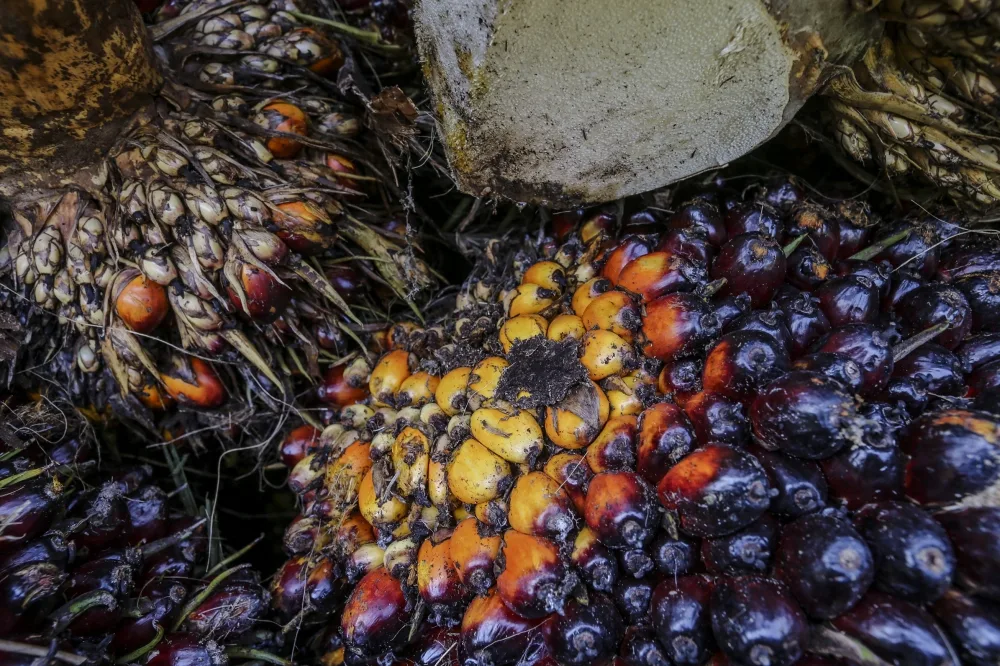
Malaysia will increase the biodiesel blend rate from B10 to B15 in Peninsular Malaysia starting June 1, 2026, using a fuel mix of 15% Palm Methyl Ester (PME) biodiesel and 85% petroleum diesel [1, 2, 3]. The government sees the phased rollout as a step in the country’s energy transition, aiming to reduce reliance on imported fossil diesel and enhance energy security [1, 2, 3].
Deputy Prime Minister Datuk Seri Ahmad Zahid Hamidi said the government "was targeting biodiesel production in stages as an initial step before the blend rate is increased according to market suitability and industry capabilities" [1]. Most diesel vehicles on the road will not require engine modifications to run on B15 biodiesel, allowing smoother adoption [1, 2, 3]. The vehicle standards in Malaysia since 2020 already account for biodiesel blends up to B20, with no severe engine failures reported in regions that have used B20 [2].
Malaysia’s biodiesel development also aims to support rural economies by involving agencies such as Felcra, Ketengah, and Kesedar [1, 2, 3]. The plan will consider palm oil supply capacity, industrial readiness, and current infrastructure during implementation [1, 2, 3].
The B15 blend is expected to require about 0.8 million tonnes of palm oil annually, significantly lower than the domestic surplus of approximately 4 million tonnes per year and will not affect exports of around 16 million tonnes annually [1, 2, 3]. Plantation and Commodities Minister Datuk Seri Dr Noraini Ahmad said, "Malaysia’s estimated annual palm oil requirement for B15 would be around 0.8 million metric tonnes, significantly lower than the estimated domestic surplus of about four million metric tonnes" [3].
The government also sees potential to expand use of palm oil industry by-products such as crude palm oil sludge for biodiesel and aviation fuel, which could create new value chains within the commodity sector, according to Deputy Prime Minister Datuk Seri Dr Ahmad Zahid Hamidi [3].
Prof Dr Hidayah Ariffin, head of Biorefinery Complex at Universiti Putra Malaysia, noted that "Higher biodiesel usage could extend diesel stock longevity and help ensure supply resilience, particularly if geopolitical tensions persist" [3].
The phased start of B15 biodiesel on June 1 marks a key milestone in Malaysia’s efforts to boost domestic biofuel use while balancing supply and industry readiness [1, 2, 3].