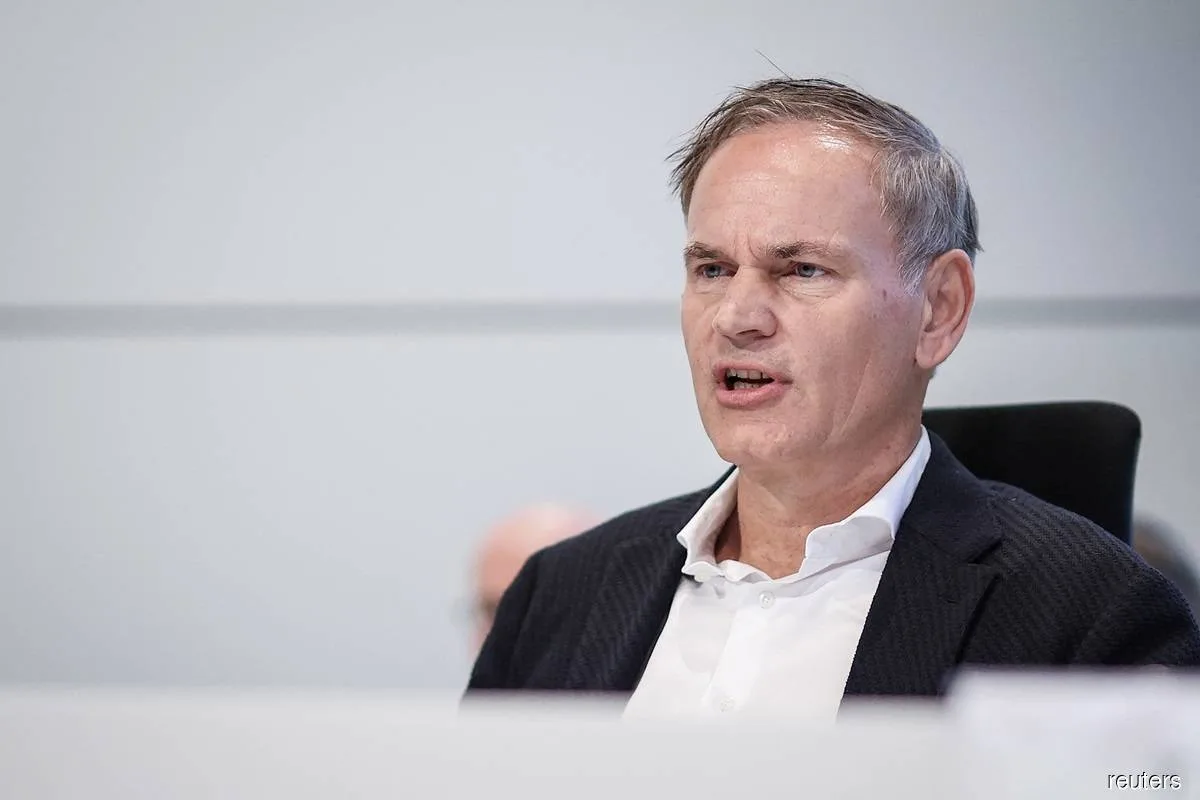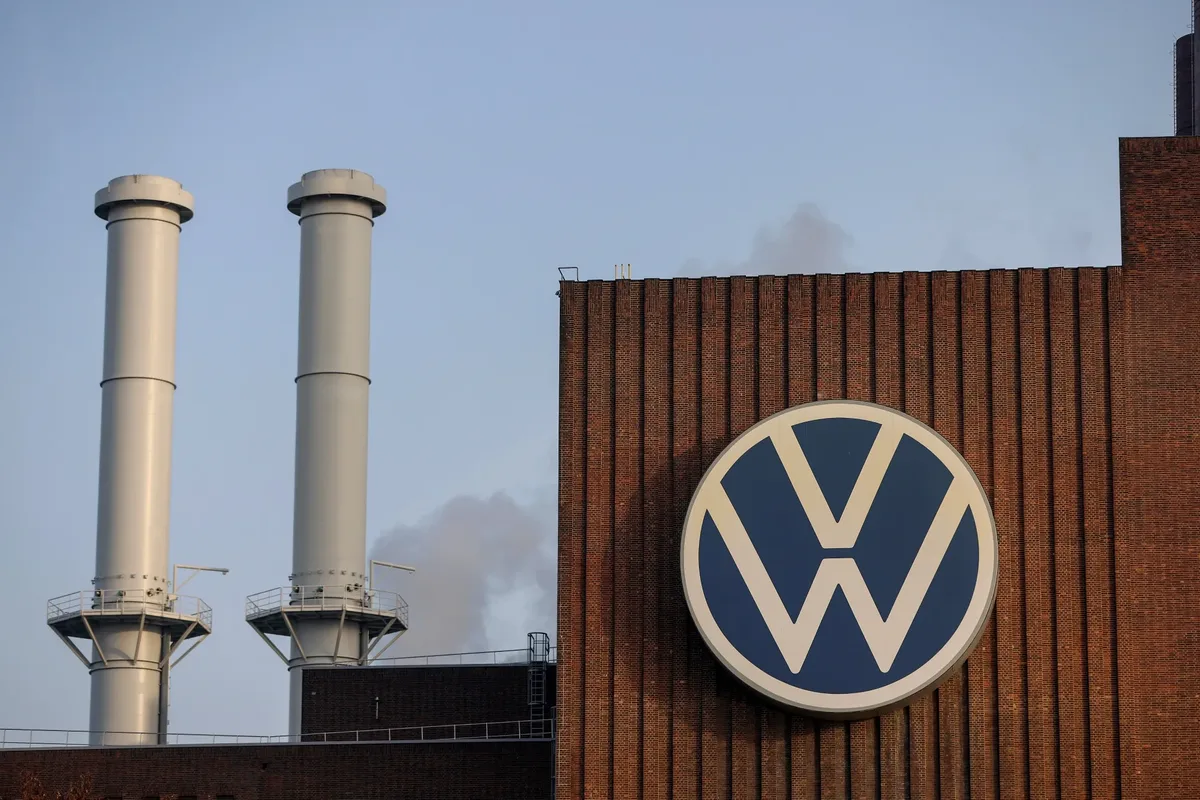
Volkswagen CEO Oliver Blume announced plans to cut up to 100,000 jobs globally over the next few years, amounting to roughly 15% of the automaker’s workforce of about 657,400 employees as of the first quarter of 2026 [1, 2, 3, 4, 5]. The plan includes closing four production facilities in Germany: Hanover, Zwickau, Emden, and an Audi plant in Neckarsulm [1, 2, 3, 6, 4, 7, 5]. The closures will take effect after the current vehicle models produced at those factories are phased out [1, 3, 6, 5].
These new job cuts and factory closures significantly deepen and accelerate previously announced reductions, which targeted about 50,000 jobs cut in Germany by 2030 [2, 8, 4, 5]. Volkswagen intends to reduce planned investment by about 15% to just over 130 billion euros (approximately $148 billion) over five years as part of the restructuring [1, 2, 3, 6, 4, 5].
Volkswagen’s core VW brand and parts manufacturing plants are also planned to be spun off into separate entities as part of the overhaul [1, 3, 5]. A company spokesperson said, “The entire group, including its brands and subsidiaries, must undergo far-reaching change” and acknowledged that “our current business model no longer works across all brands: developing cars in Germany, producing them in Europe and exporting them to the world” due to “tariffs, increasingly fierce competition, and difficult market conditions” [2, 3, 5].
The restructuring follows a roughly 44% decline in Volkswagen’s profits in 2025, which pushed the company to accelerate cost cuts [8, 5]. External pressures include tariffs, intense competition from Chinese automakers, and the costly transition to electric vehicles [2, 9, 8, 3, 5]. Hamburg commercial bank chief economist Cyrus de la Rubia said, “Unfortunately, this is the inevitable result of structural change. The automotive industry is undergoing a structural transformation, shifting from fossil fuels to electric vehicles” [5].
Volkswagen and German unions have agreements in place banning compulsory redundancies and factory closures until the end of 2030, raising potential opposition from labor groups [2, 4, 5]. The Volkswagen General Works Council and German industrial union IG Metall declared that “If such plans were to be pushed forward, we would prevent them with all our might” [4]. A company spokesperson emphasized that “The relevant facts of the matter will be discussed and approved by the relevant bodies. We will not pre-empt this process” [3].
The plan was publicly reported by Manager Magazin on June 26, 2026 [1, 2, 3, 4, 5]. With labor agreements and union opposition looming, the next steps will involve negotiations and formal approvals. The planned factory closures will start only after current vehicle models at those sites are discontinued.