Iran announced on May 25 that it will charge fees labeled as "navigational service fees" on ships transiting the strategic Strait of Hormuz, rather than traditional transit tolls or passage fees [1, 2, 3, 4, 5, 6, 7, 8, 9]. Iranian foreign ministry spokesman Esmaeil Baqaei said the fees cover navigation assistance and necessary environmental protection measures for the Strait of Hormuz, the Persian Gulf, and the Sea of Oman. "The services that are provided — navigational services in addition to the measures necessary to protect the environment ... require the collection of certain fees. We are not seeking to collect tolls," Baqaei said [1, 5].
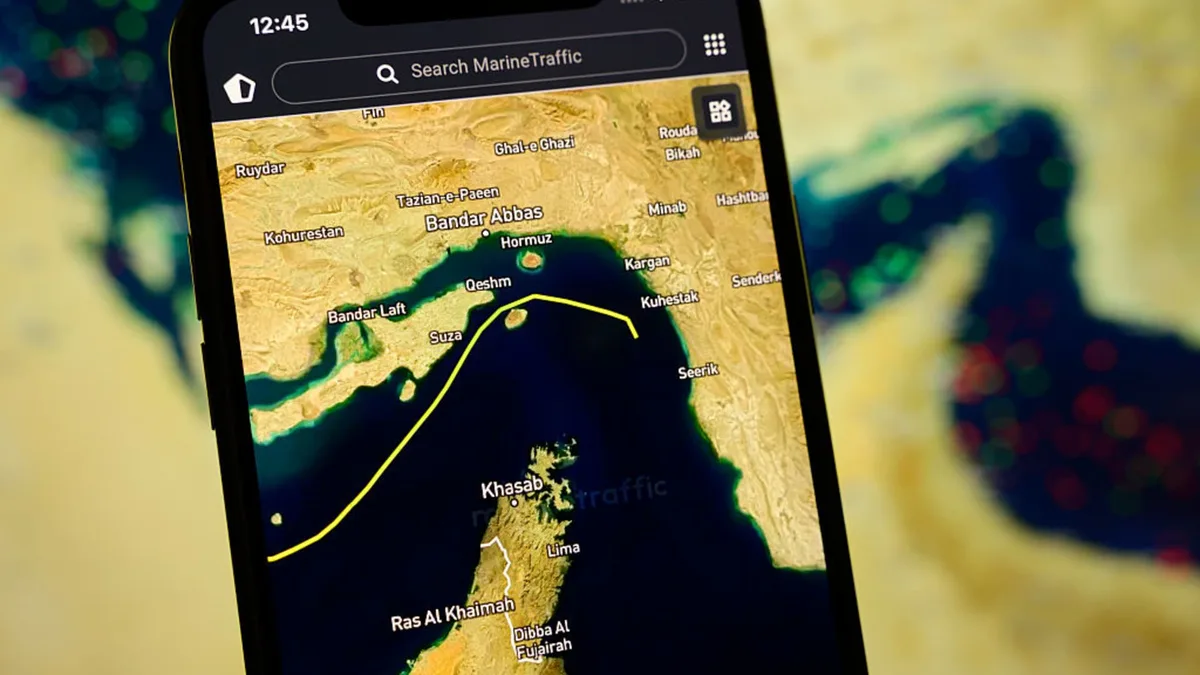
Iran released a map in late May claiming regulatory control over parts of the Strait extending into the territorial waters of the UAE and Oman [2, 3, 4, 8, 9]. The five Gulf countries Bahrain, Kuwait, Qatar, Saudi Arabia, and the UAE issued a formal warning through the International Maritime Organization to shipping companies. They advised firms not to comply with Iran's demands or instructions concerning the Strait, rejecting Iran's fee scheme as illegitimate [2, 3, 4, 8, 9].
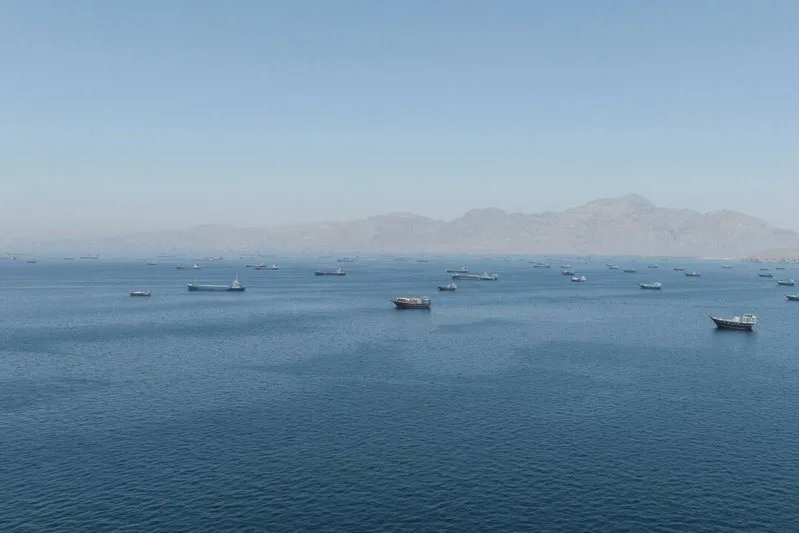
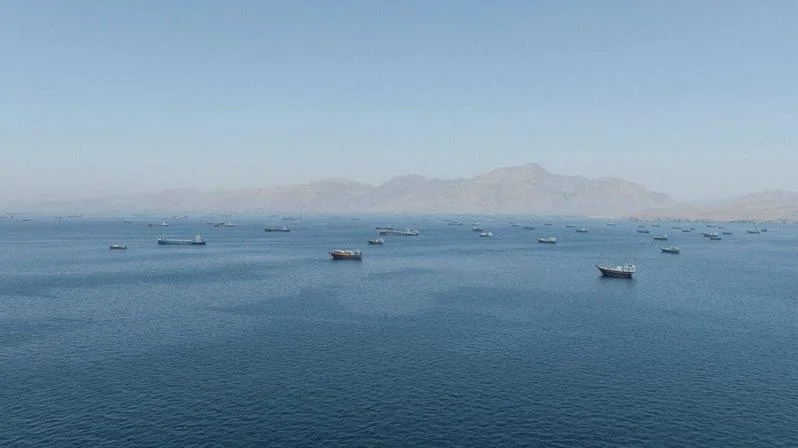
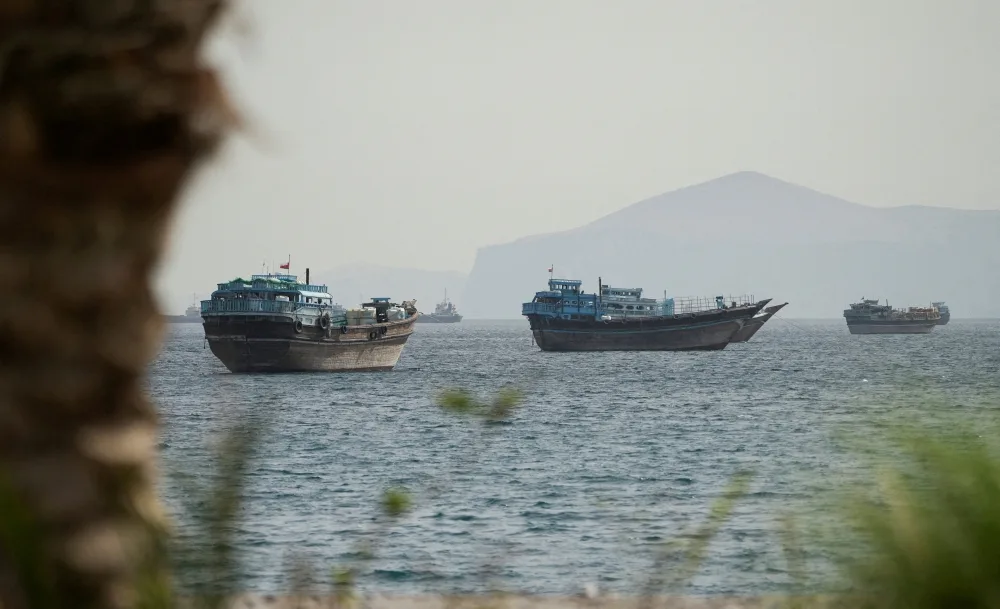
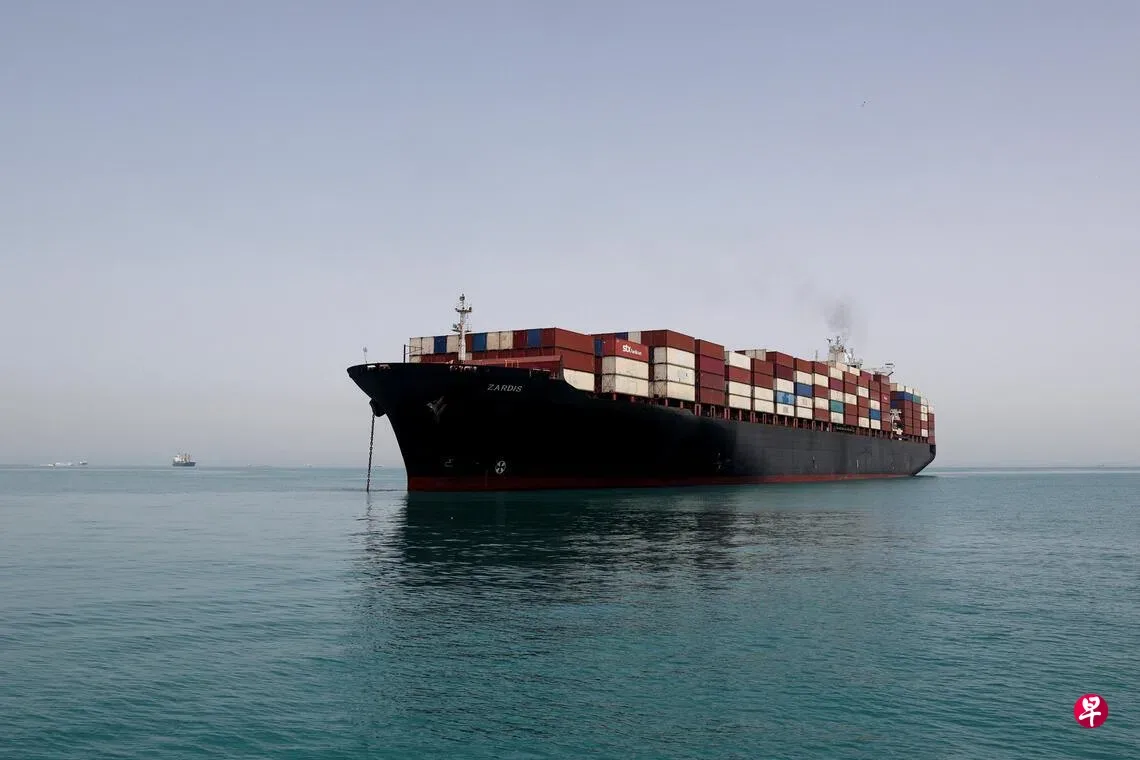
Since the outbreak of conflict, Iran has controlled traffic through the Strait, allowing very few ships to pass only with armed forces permission. Currently, about 240 ships are waiting for Iranian permission to enter the Strait of Hormuz [6]. The Strait is a vital global shipping route, carrying about one-fifth of the world's seaborne oil [10].
On May 24, U.S. President Donald Trump said progress had been made toward a U.S.-Iran ceasefire agreement which could reopen the Strait, but the U.S. blockade remains in place until a deal is finalized [1, 6]. Negotiations continue with no final agreement confirmed. Iran says specifics on Strait management are internal coastal state matters [6].
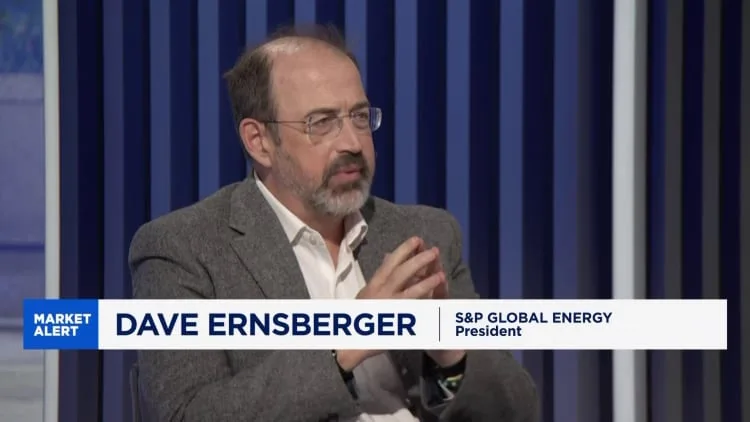
Oil markets reacted with volatility on May 26 amid concerns over Iran's fee plan and ongoing U.S. strikes. Brent crude rose 2.5% to $98.47 per barrel. Dave Ernsberger, president of S&P Global Energy, said, "It's the principle of freedom of maritime flow that's really at stake here, and what kind of precedent it sets." He added, "People are afraid to take a position with so much mixed messaging going on about the status of negotiations." [10]
A potential future plan involves joint regulation of the Strait by Iran and Oman and levying an "environmental fee" or transit toll on vessels, but details remain unclear [10].
Iran's navigational fee announcement sets a clear deadline for shipping operators to respond amid escalating regional tensions and ongoing talks between Tehran and Washington.