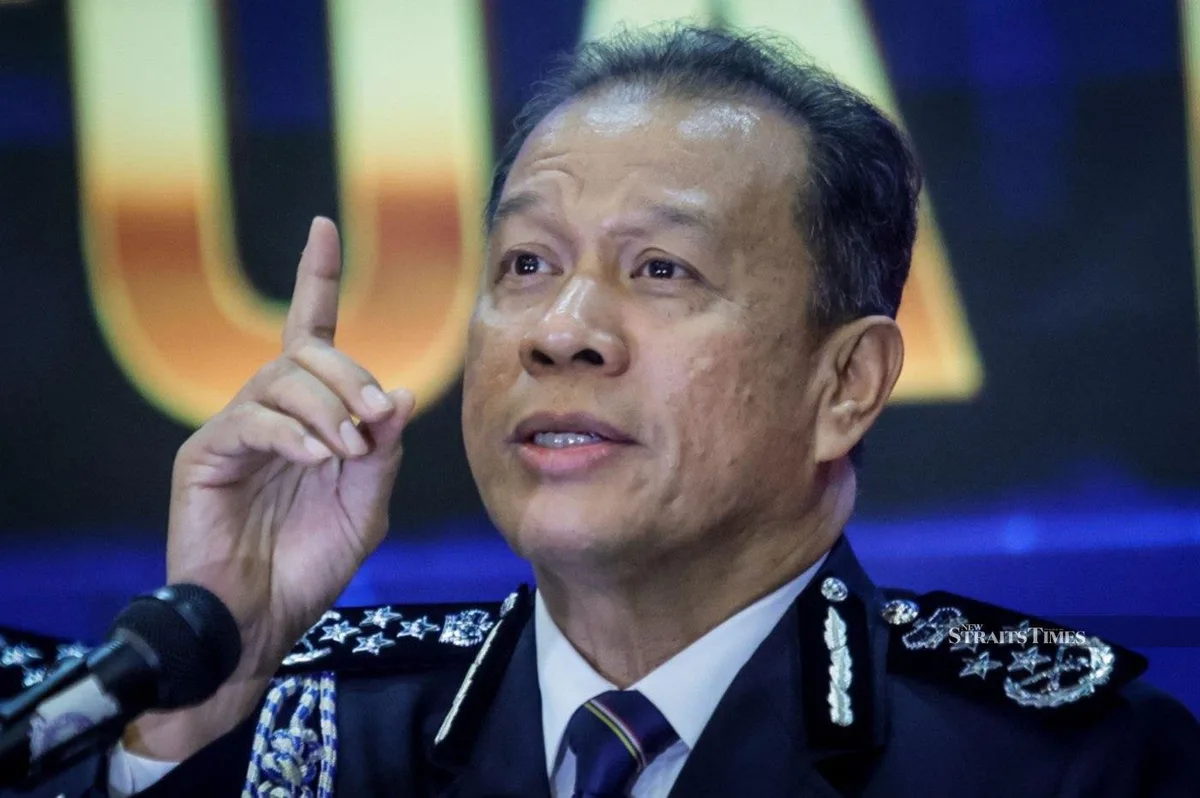
Malaysia’s police will join aviation security efforts to improve intelligence sharing, early threat detection, enforcement coordination, and rapid response against criminal acts in the aviation sector, Inspector-General Tan Sri Mohd Khalid Ismail confirmed today [1, 2]. He said, "The involvement of the police force in the aviation security ecosystem will strengthen intelligence-sharing capabilities, early detection, enforcement coordination and immediate action against any threats or criminal activities attempting to exploit aviation facilities and procedures" [2].
The police, Home Ministry, Transport Ministry, and other agencies are finalizing details on scope of police duties, deployment sites, manpower, and operational coordination within aviation security [1, 2]. The move follows recent arrests of three Malaysian women, aged 30 to 39, at Soekarno-Hatta Airport in Jakarta for drug possession after flying from Kota Kinabalu earlier this month, highlighting the need for tighter security [2].
Experts caution that simply adding personnel will not close airport security gaps without better inter-agency coordination and resource use. Associate Professor Major Dr Muhammad Harridon Muhammad Suffian said, "This is really an optimisation issue. You can have 10 agencies or 100 personnel, but what matters is how well you coordinate and maximise those resources" [3].
At the land and maritime borders, Malaysia is expanding police use of AI, drones, and cross-border intelligence sharing to combat smuggling and illegal activities [4, 5, 6, 7]. The General Operations Force (GOF) manages about 178 border posts nationwide, including 30 in Sabah, with personnel rotated every 11 months [5, 6, 7]. Around Peninsular Malaysia and East Malaysia, GOF engages in community policing to gather intelligence and disrupt illegal trade in products like petrol, diesel, rice, flour, and cooking gas, with residents playing a key role [5, 6, 7].
Datuk Seri Mohd Yusri Hassan Basri noted, "The meeting has agreed to further strengthen bilateral cooperation through joint working groups, coordinated operations, regular joint patrols and enhanced intelligence sharing to tackle smuggling activities along the Malaysia-Thailand border" [5]. He added that "Technology will help improve patrols and enforcement efforts, allowing us to deal with illegal activities along the border more effectively" [7].
On August 6, police announced plans to integrate AI and drones to boost border patrol, surveillance, and enforcement while increasing community intelligence cooperation [6]. Today, the Inspector-General confirmed the finalizing of police roles in aviation security with relevant ministries [1, 2]. The authorities continue to stress shifting from manual to technology-driven border surveillance and enforcement to cover Malaysia’s vast border areas [5, 6, 7].