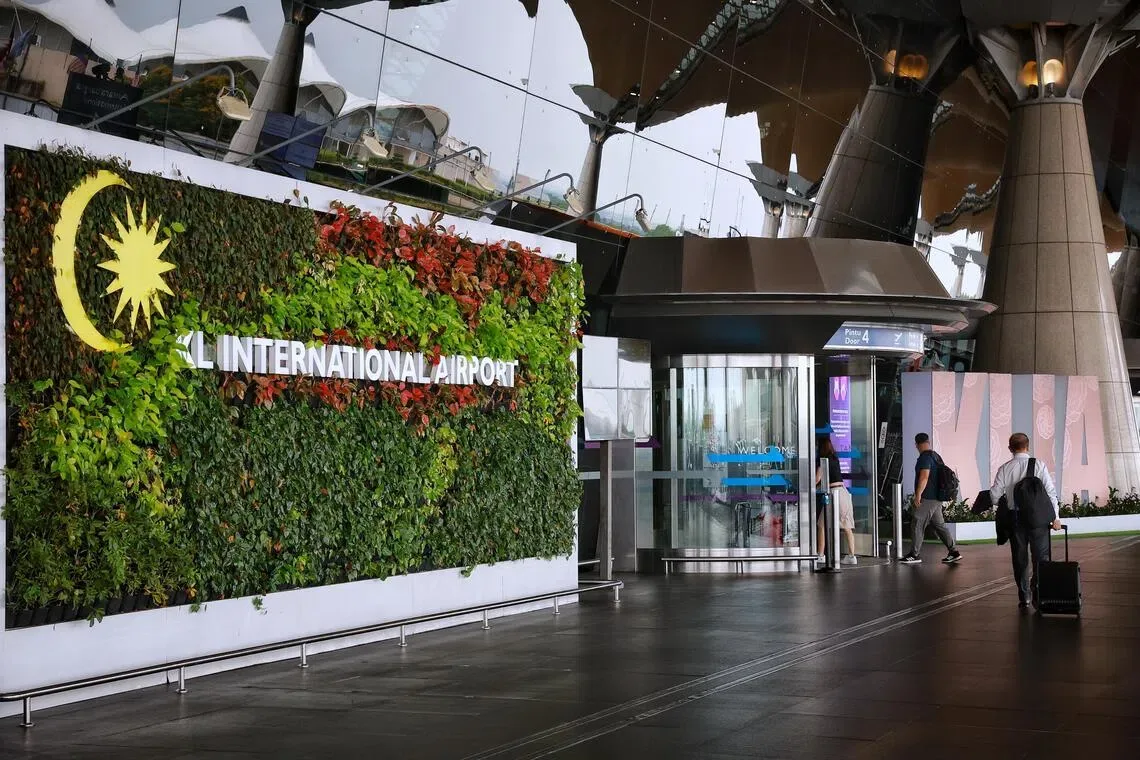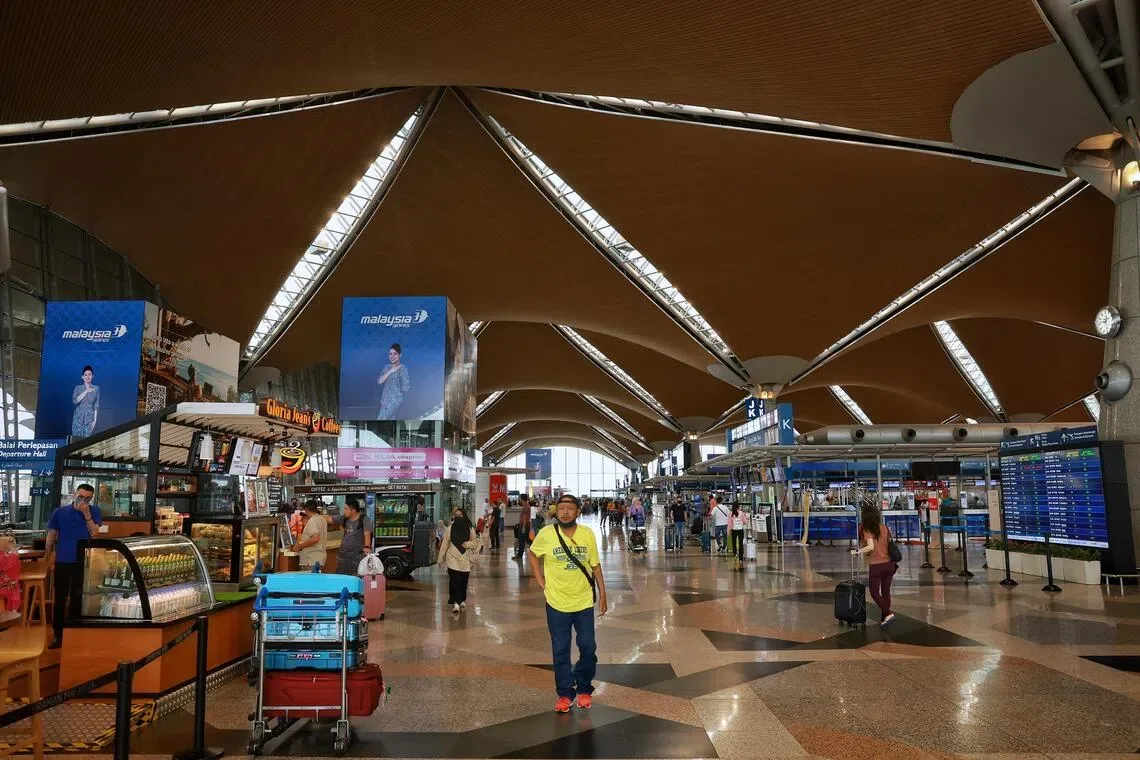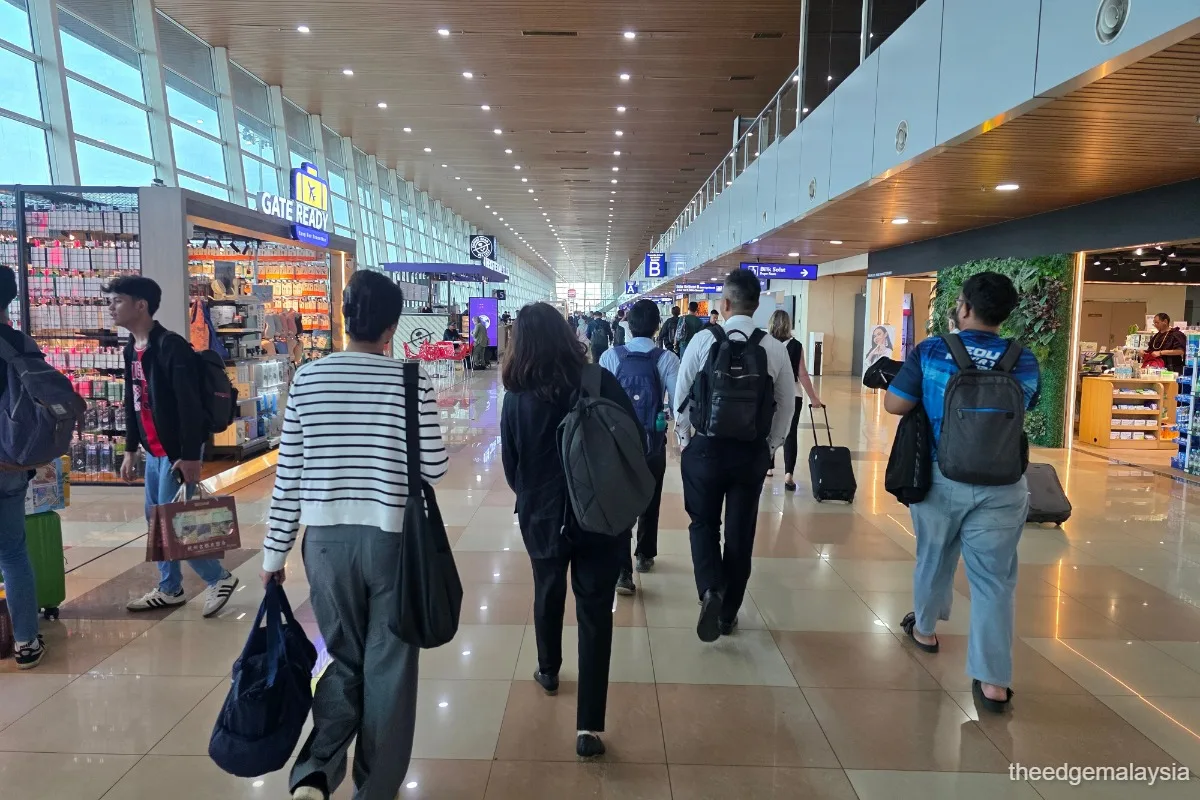
Malaysia's Cabinet approved 17 recommendations to strengthen security controls, screening, and risk management at Kuala Lumpur International Airport (KLIA) and the country’s international entry points on August 19, 2026. The measures stem from a joint memorandum by the Home Ministry and Transport Ministry aimed at enhancing aviation and border security [1, 2, 3, 4, 5, 6, 7].
Six of the 17 measures were prioritized for immediate implementation. These include targeted risk-based screening of flights, passengers, crew, and baggage considered higher risk. The plan also calls for strengthening electronic vetting and access controls for airline crew, staff, ground-handling personnel, vendors, and contractors with restricted area access. Enhanced drug screening is to be introduced for aviation personnel through pre-employment, periodic, and random tests. Increased visible police presence will be deployed at strategic locations in KLIA, alongside additional General Operations Force personnel for each shift at Terminals 1 and 2. The measures also aim to improve security and intelligence information-sharing via the National Immigration Command Centre (NICC) [1, 2, 3, 8, 5, 6, 9, 7].
To coordinate the rollout, a joint Home Ministry-Transport Ministry Technical Committee will be established immediately. It will be co-chaired by the secretaries-general of both ministries, tasked with resolving inter-agency issues and monitoring the action plan’s progress [1, 2, 3, 8, 5, 6, 7].
The medium-term phase will focus on developing technology, assets, and human resources, while the long-term stage will involve transforming systems, enhancing information sharing and governance, and expanding security to other international entry points nationwide based on risk and suitability. KLIA will act as the pilot site before gradual expansion [1, 2, 3, 5, 6, 9].
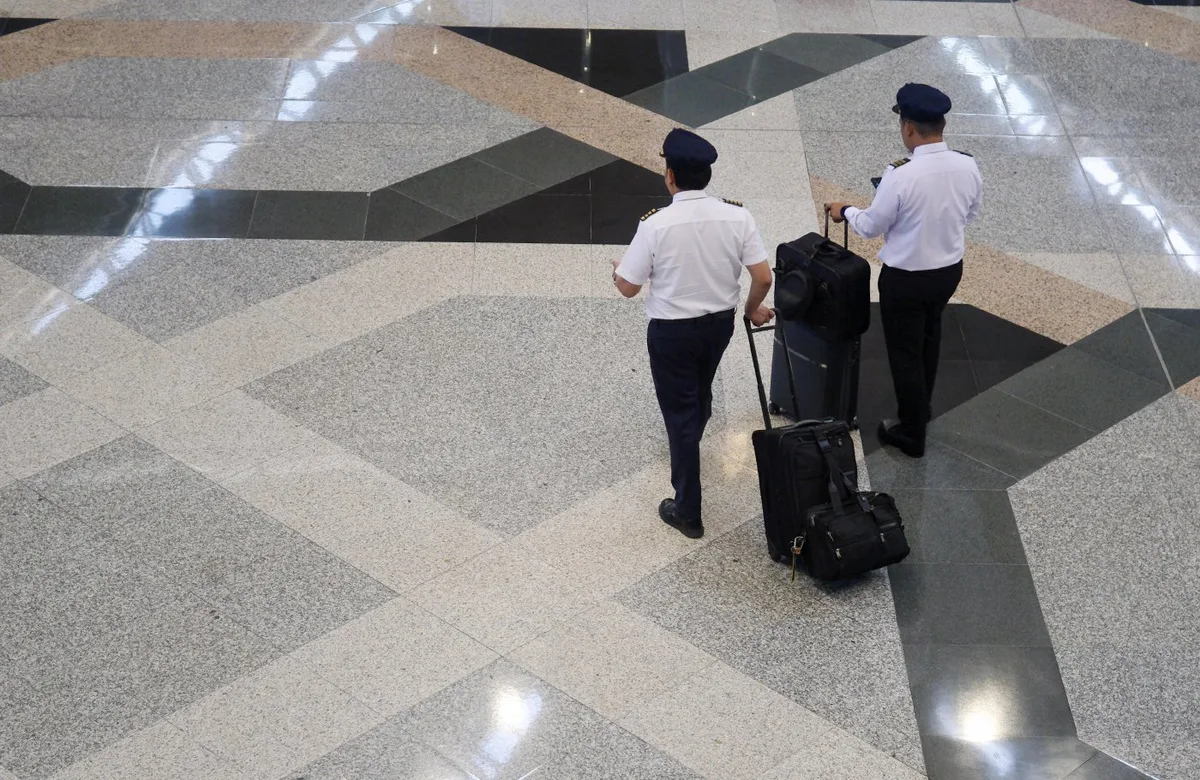
The security overhaul was prompted by recent incidents raising concerns about Malaysia’s border security, including the July 28 arrest of a 39-year-old Malaysian commercial pilot at Soekarno-Hatta International Airport in Jakarta. The pilot was charged with trafficking about 70,000 capsules of ecstasy and methamphetamine worth RM45 million, and was allegedly promised RM50,000 to act as a drug courier [1, 3, 8, 6, 9, 7].
Malaysia Airports’ managing director Datuk Mohd Izani Ghani expressed support for the plan, saying, "This coordinated approach provides much-needed clarity on roles and responsibilities, ensuring that each agency can bring its respective authority and expertise to bear. We remain fully committed to playing our part and working alongside the government and enforcement agencies to safeguard the country's gateways." The airport operator will continue improving security measures including pat-down screening, K9 units, and upgraded screening equipment [10].
Home and Transport ministries issued a joint statement detailing the six immediate priority measures on August 20, 2026, following the Cabinet approval [1, 3, 5, 6].