The Malaysian cabinet has not discussed any proposal to introduce a new classification for the top 20 percent income group (T20), Finance Minister II Datuk Seri Amir Hamzah Azizan said on May 17. "We are not discussing anything on the T20 classification at this point, so I do not know how the issue came about," he told reporters after inaugurating additional preschool classrooms at Sekolah Kebangsaan Tan Sri Awang Had Salleh [1, 2, 3, 4, 5, 6].
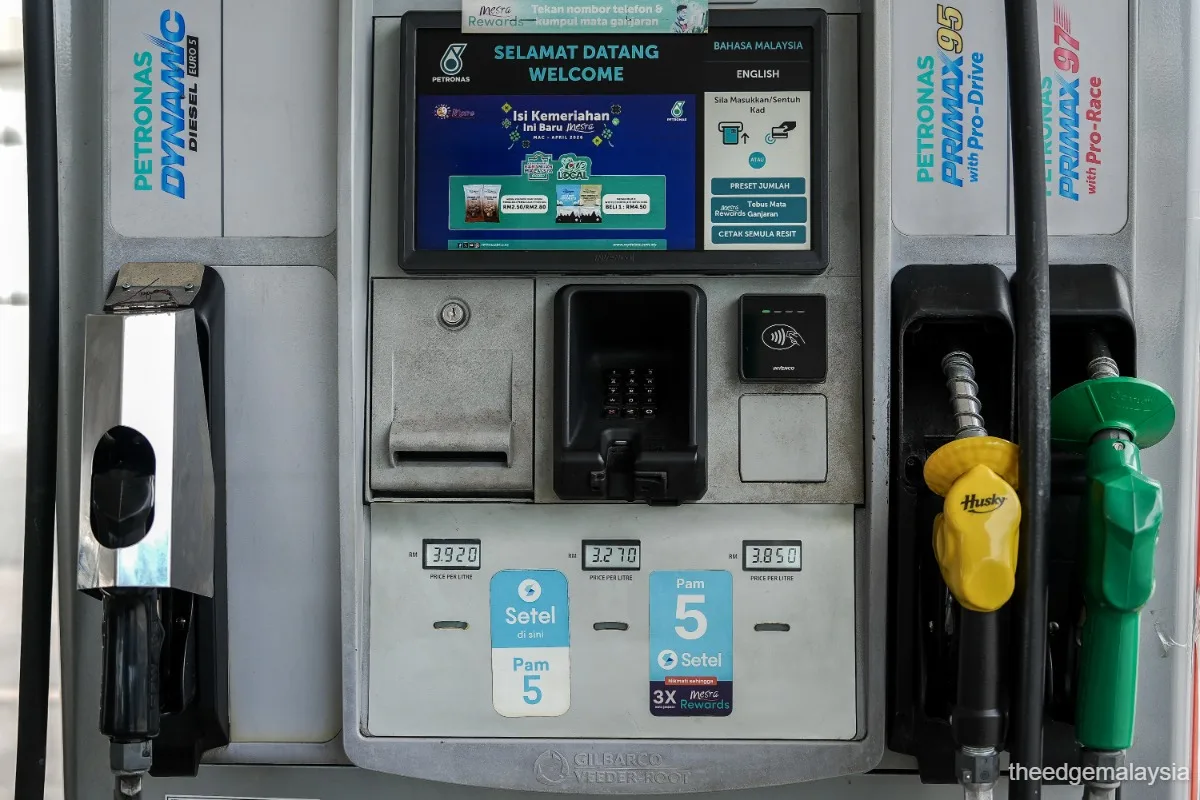
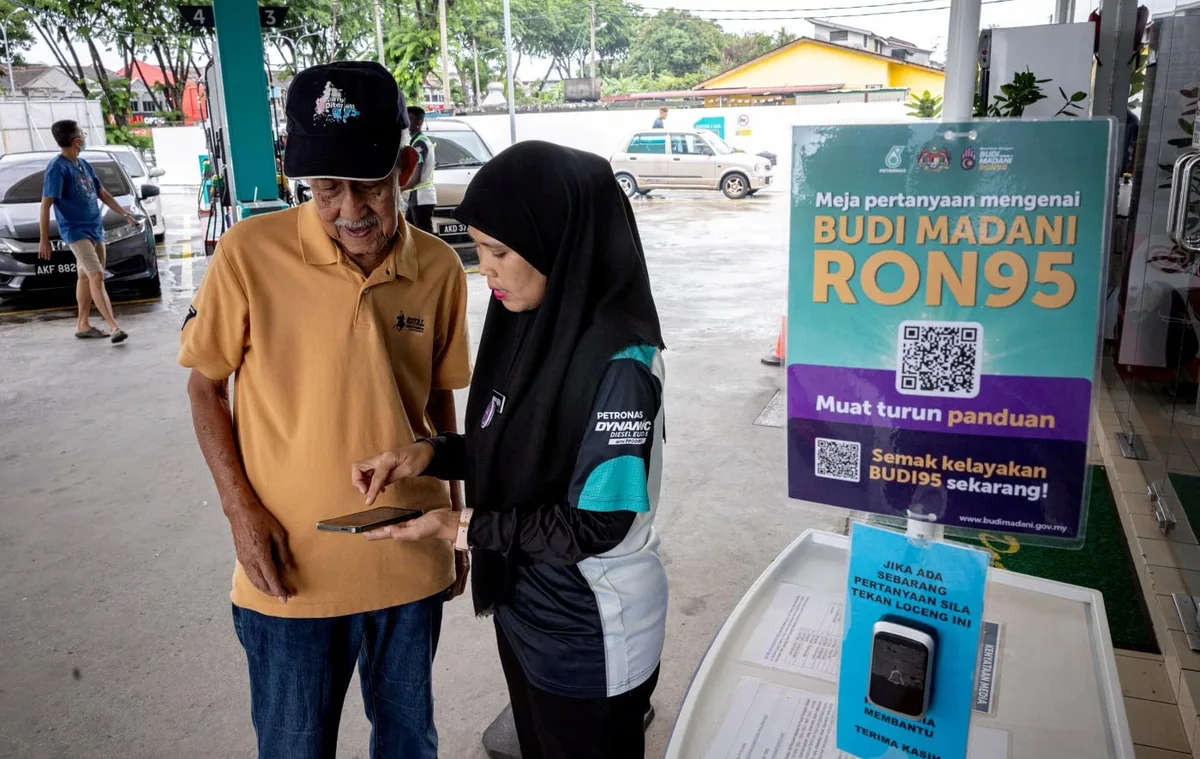
The government is focused instead on implementing and improving the existing BUDI Madani RON95 (BUDI95) fuel subsidy scheme nationwide, including plans to extend it to Sabah and Sarawak. The Finance Minister explained that the approach looks at fuel usage comprehensively and fairly across the country. "Our approach is to look at fuel usage nationwide. We are using the same approach as in BUDI95 because we believe the current system is sufficiently comprehensive and fair to everyone," he said [1, 2, 3, 4, 5, 6].
The BUDI95 subsidy quota was reduced from 300 litres to 200 litres per month based on actual user consumption patterns, which average about 98 litres monthly. The reduction aims to limit government subsidy expenditure and reduce abuse risks. "The reduction of the subsidised quota from 300 litres to 200 litres was based on actual usage patterns under the BUDI 95 scheme," Amir Hamzah added [2, 3, 4, 5, 6].
Global oil market challenges influenced subsidy costs, notably conflict in the Middle East. More than 20 percent of the world’s oil passes through the Strait of Hormuz, making supply vulnerable to disruption. The government’s fuel subsidy bill surged from approximately RM700 million monthly early this year to nearly RM7 billion in March before easing to between RM3.5 billion and RM4 billion recently. "The conflict in the Middle East had put pressure on global oil supplies, causing the government’s monthly subsidy bill to rise sharply," the Finance Minister said [1, 2, 3, 4, 5, 6].
Despite the global disruptions, Malaysia remains relatively secure in fuel supply due to domestic production and the role of Petronas and other industry players [2, 3, 4].
Additional support measures have also been introduced for micro, small, and medium enterprises (MSMEs). Bank Negara Malaysia launched a RM5 billion SME Financing Facility for Sustainability and Resilience, offering financing up to RM750,000 at a maximum interest or profit rate of 3.7 percent per annum to help MSMEs navigate economic pressures [1, 2, 3, 5, 6].
The National Union of the Teaching Profession (NUTP) recently called for reconsideration of the 300-litre fuel subsidy quota under BUDI95 for teachers. President Aminuddin Awang noted many teachers exhaust their quotas early due to official travel duties such as transporting students to extracurricular activities and sports events. The government has yet to respond to this proposal [1, 2, 3, 5, 6].
Officials continue to work on nationwide rollout of the BUDI95 subsidy system, aiming for full implementation including Sabah and Sarawak in the near term [1, 2, 3, 4, 5, 6].