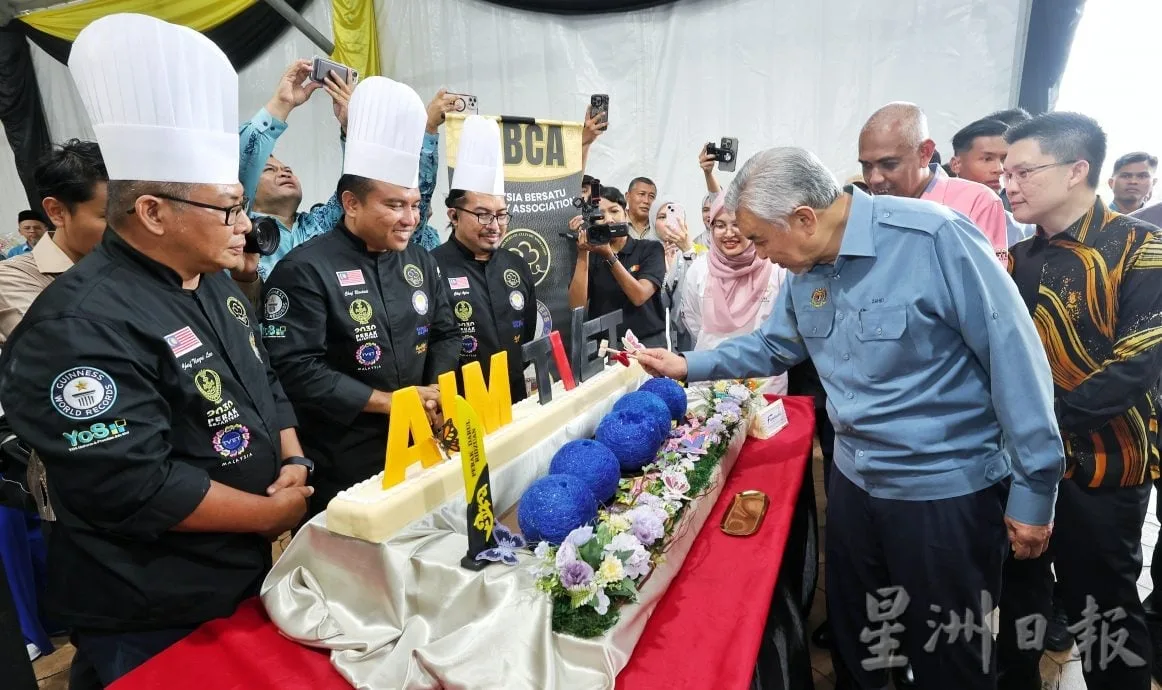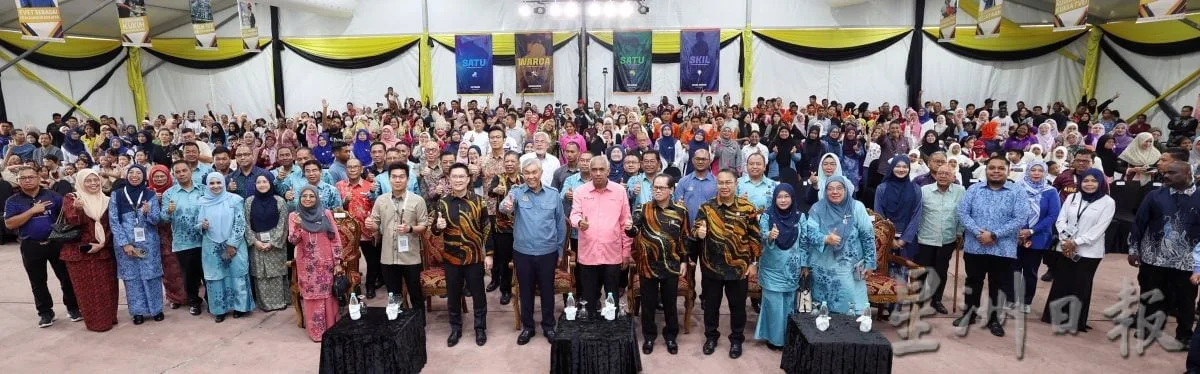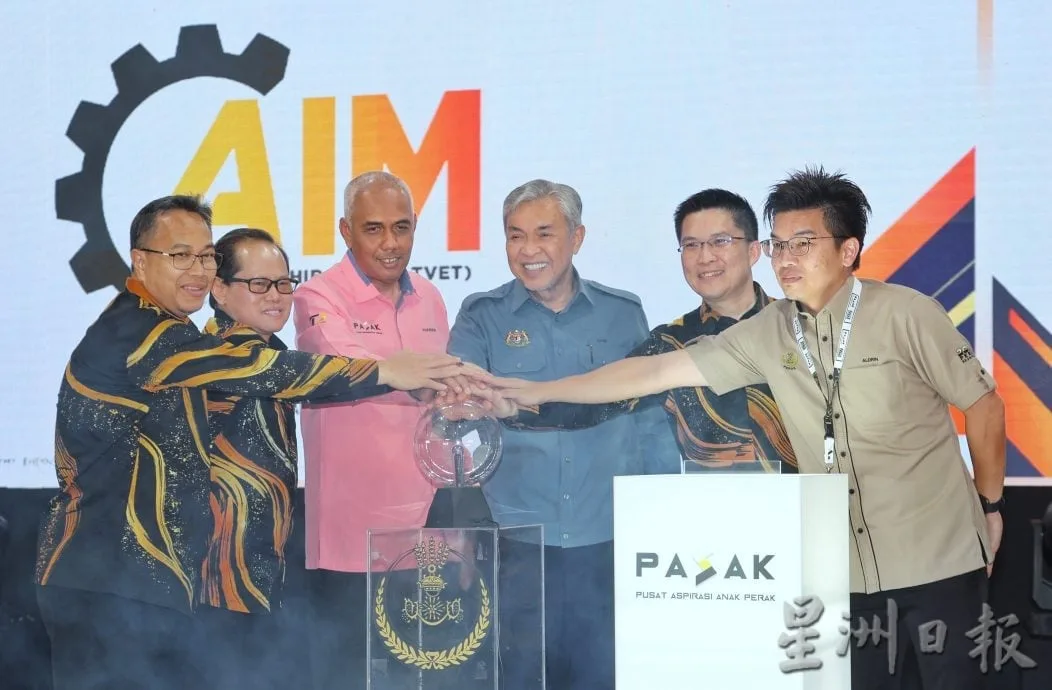
The Malaysian government will launch a restructured Technical and Vocational Education and Training curriculum called TVET 2.0 in June, focusing on high-technology fields like artificial intelligence, robotics, the Internet of Things, renewable energy, and animation to meet future industry demands [1, 2, 3]. Prime Minister Datuk Seri Anwar Ibrahim is scheduled to officially launch the program next month [2, 3].
Datuk Seri Dr Ahmad Zahid Hamidi explained that many global animation companies outsource production to Malaysia, but there is currently a shortage of skilled local talent. He said, "We hope that with TVET 2.0, more people will be encouraged to enter this field, God willing" [2]. The revamped program will also maintain traditional courses while strengthening training in highly demanded sectors including robotics, IoT, AI, and renewable energy [3].
The government is considering a new TVET Act and is consulting 12 ministries on establishing a TVET Commission to oversee development [1, 2, 3]. The existing National TVET Council could be upgraded to a National TVET Commission pending cabinet approval, with expanded authority to lead TVET initiatives through 2030 and beyond 2050 [1, 3].
TVET 2.0 will also expand opportunities for gig economy workers such as food and parcel delivery riders, as well as for film industry, arts, and cultural workers [1, 2, 3]. Graduates will gain improved status and educational pathways, including automatic admission to seven universities connected with the Malaysia Technology University Network [1].
Additionally, the government is creating pathways for graduates of religious schools to enter public universities and professional fields beyond religious studies [1, 3].
The official launch next month by Prime Minister Anwar Ibrahim will mark the start of the revamped TVET curriculum’s rollout, aiming to prepare Malaysia’s workforce for future high-tech industries [2, 3].