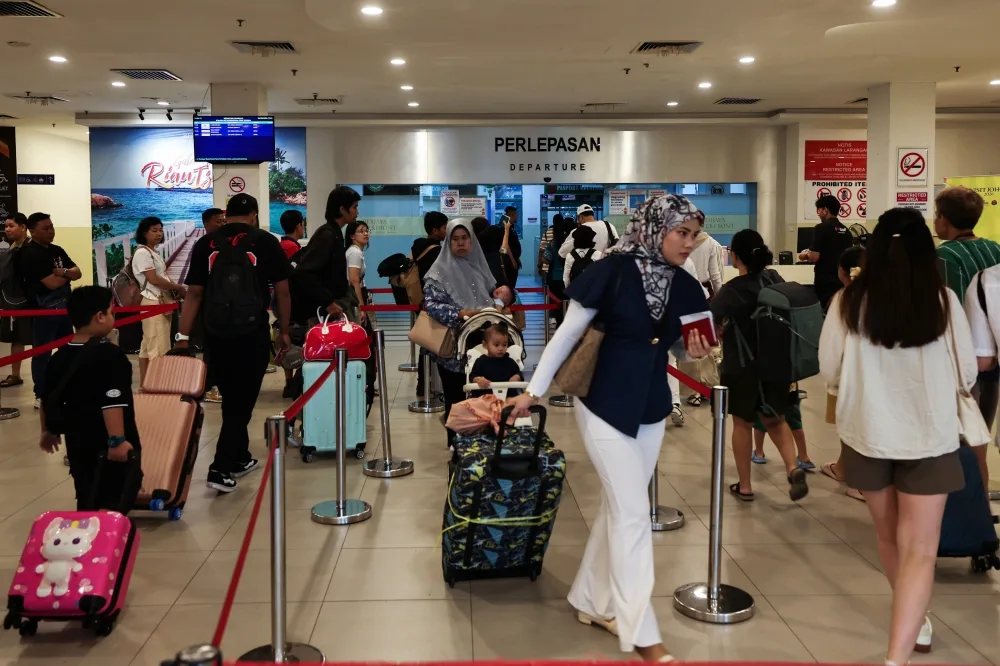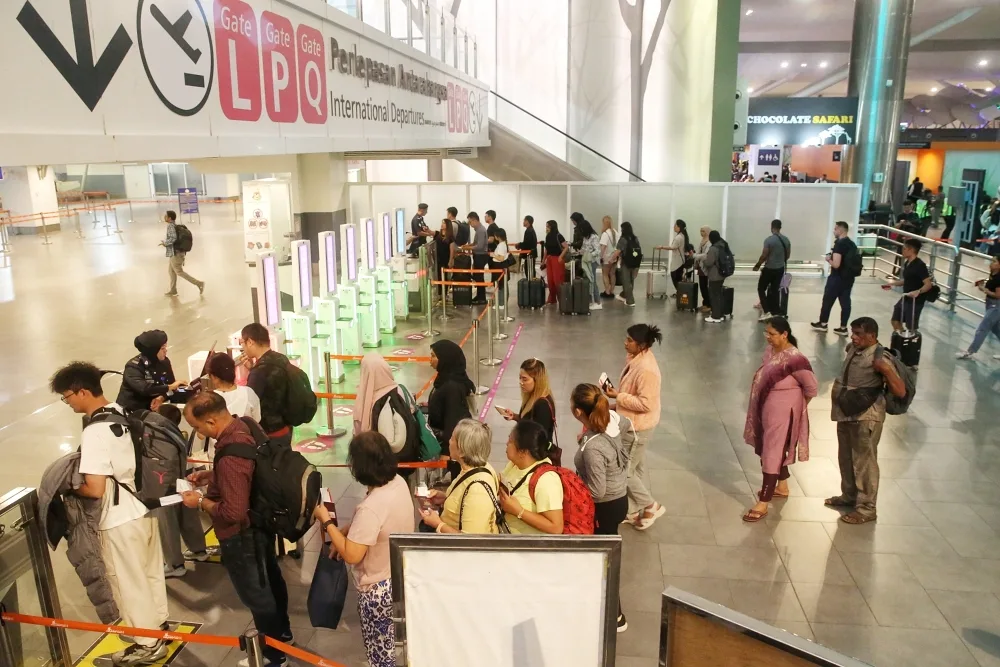
Malaysia’s Immigration System, known as MyIMMs, crashed nationwide on May 28, causing severe delays and stranding thousands at immigration checkpoints across the country [1, 2, 3, 4].
The disruption lasted between about 3 hours 45 minutes and 5 hours, from roughly 4:30 a.m. to 9:30 a.m., impacting all 114 immigration checkpoints including 56 sea, 30 land, and 28 air entry points [1, 4]. Significant congestion occurred especially at Johor land checkpoints during the morning rush hour, affecting thousands traveling to Singapore for work [1, 4].
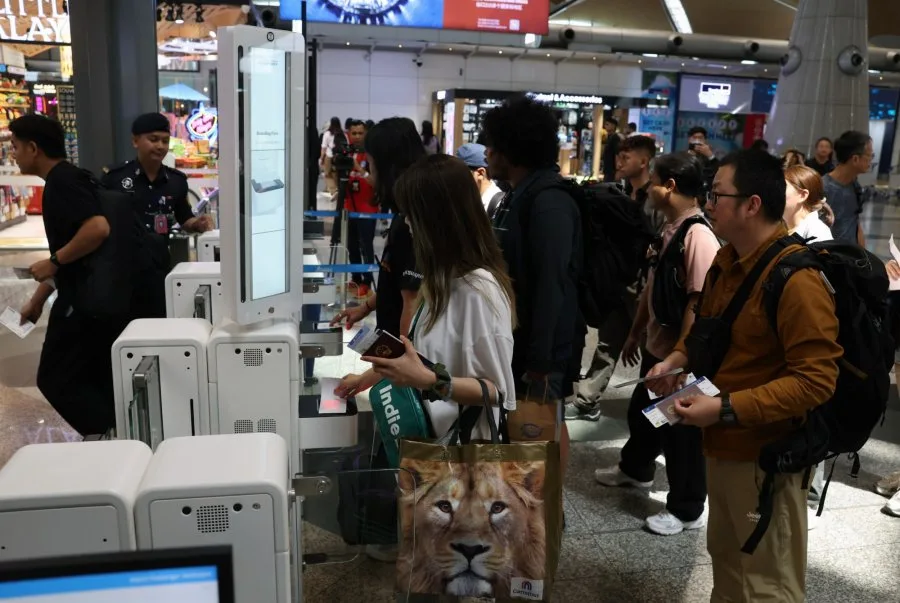
Authorities had to switch to manual clearance procedures due to the system failure. An anonymous Home Ministry official said, "We had to redeploy all our personnel to man manual counters at the bus halls, motorcycle and vehicle lanes. Not only were our autogates down, but even our facial recognition systems were also out" [1].
Home Ministry and Immigration Department staff worked to restore order and manage the manual processing [1, 4]. The Immigration Department Director-General Datuk Zakaria Shaaban told reporters, "The system was back online after rectification work was carried out. The system was not hacked" [1, 4]. A government statement confirmed no cybersecurity breach had occurred, adding, "No data leaks, loss or damage were recorded and all information stored in the system remains safe and secure" [2].
The current MyIMMs system is about 30 years old and considered outdated, with recurring technical problems expected until it is replaced [1, 4]. This was the second major MyIMMs failure in just over a month; a previous outage on April 23 caused about two hours of delays [1, 4].
Officials said system repair work restored MyIMMs within 45 minutes after starting the fix on May 28 [2, 3]. To improve stability, the government plans to upgrade storage capacity and infrastructure and implement better monitoring measures while accelerating the deployment of the new National Integrated Immigration System (NIISe) [2, 3].
The new NIISe system is planned to fully replace MyIMMs by 2028 [1, 2, 3, 4]. The Home Minister has directed the NIISe vendor to prepare mitigation plans ahead of the expected 2027 opening of the Johor Bahru-Singapore RTS Link, which will increase immigration traffic [1].