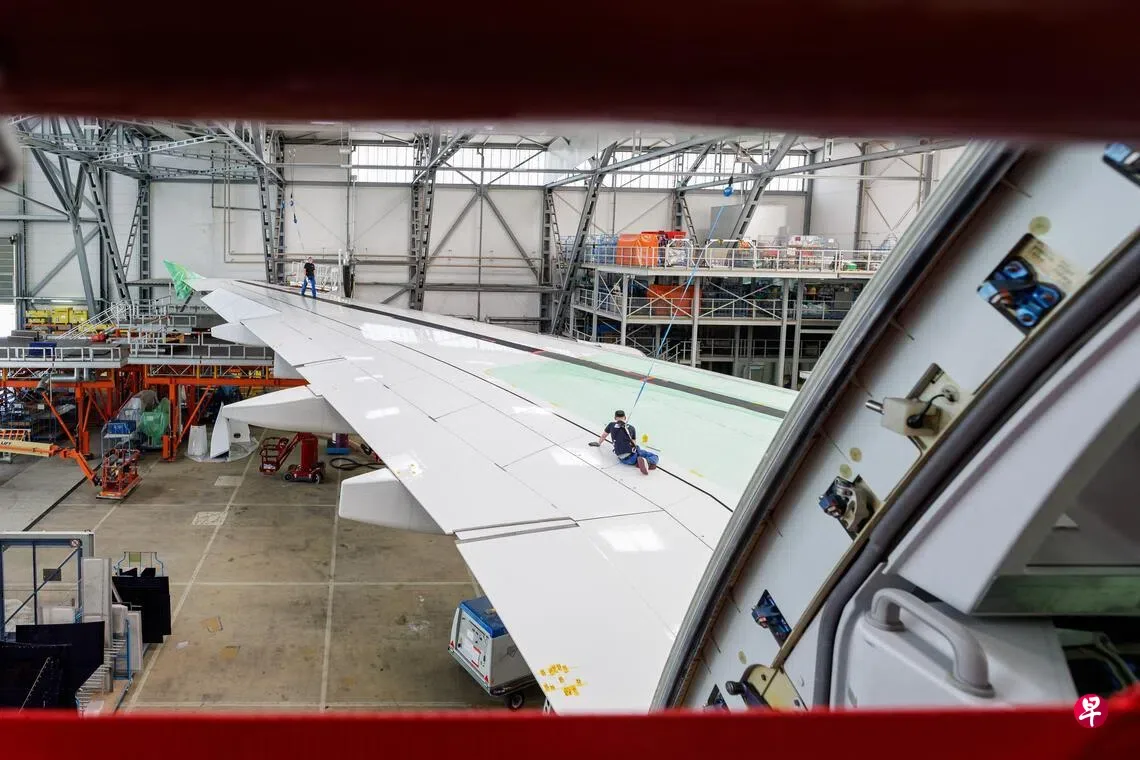
Airbus announced inspections of 16 A380 planes after cracks were found in a key wing structural beam, known as the wing spar, which carries much of the aerodynamic load during flight [1, 2, 3]. The European Union Aviation Safety Agency (EASA) ordered urgent inspections after detecting the cracks during routine maintenance checks [1, 3, 4].
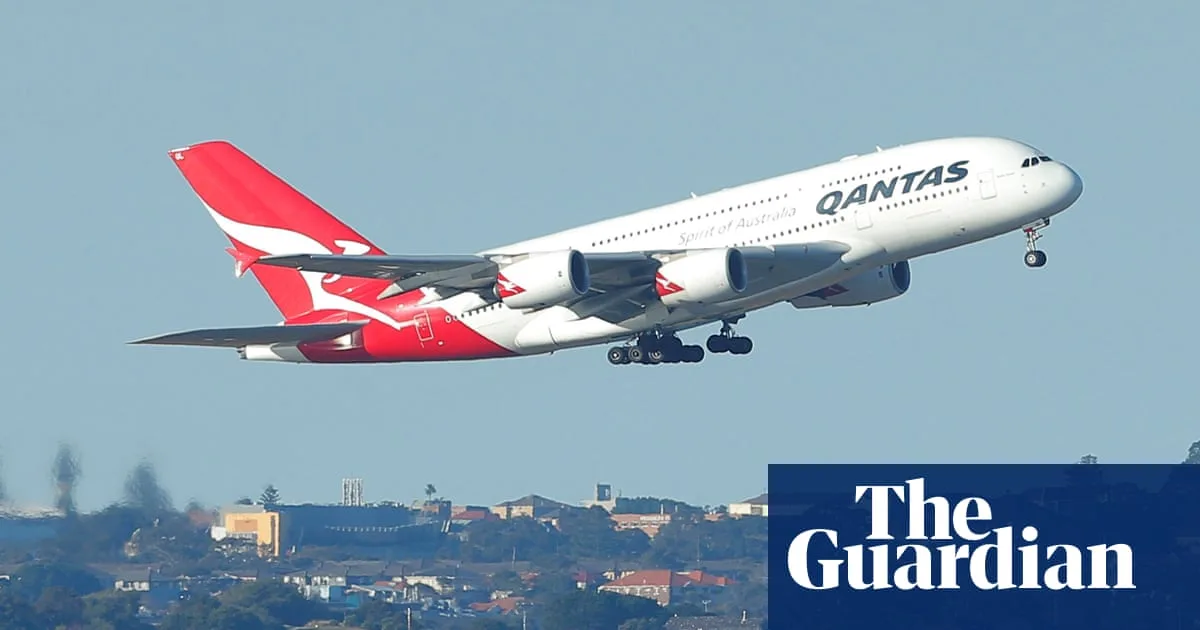
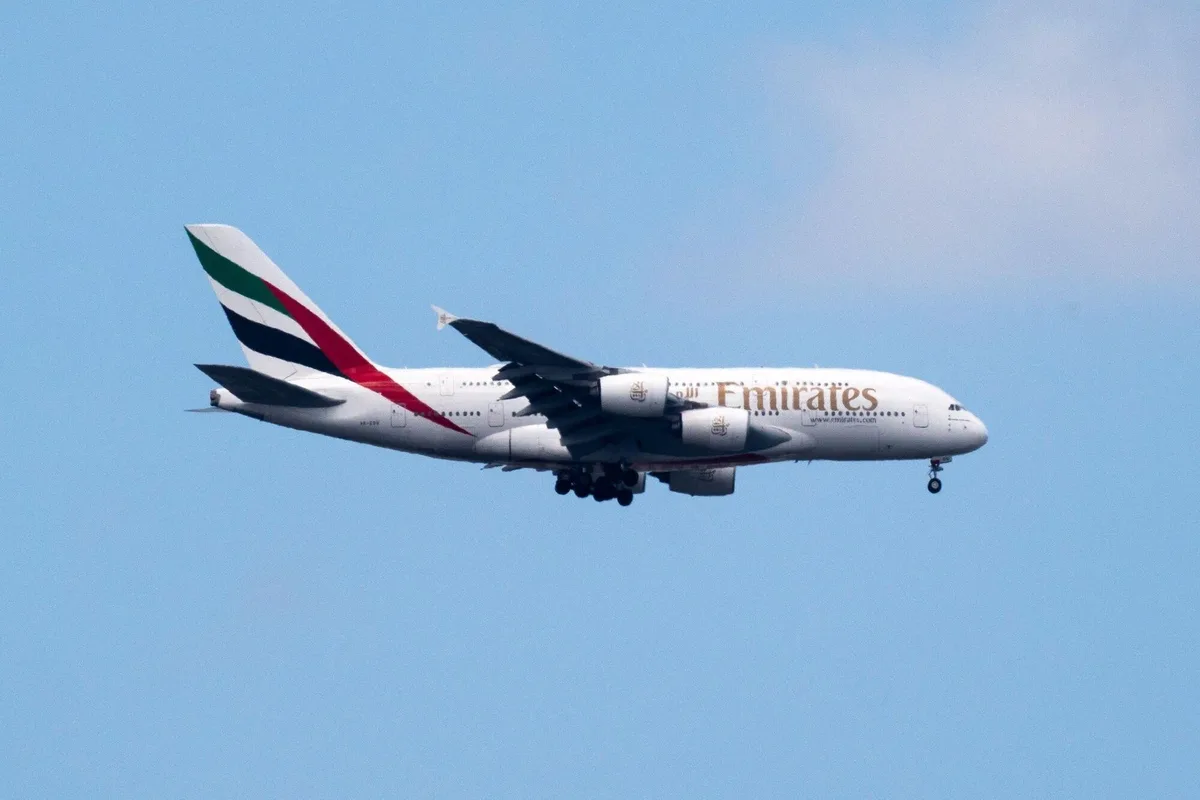
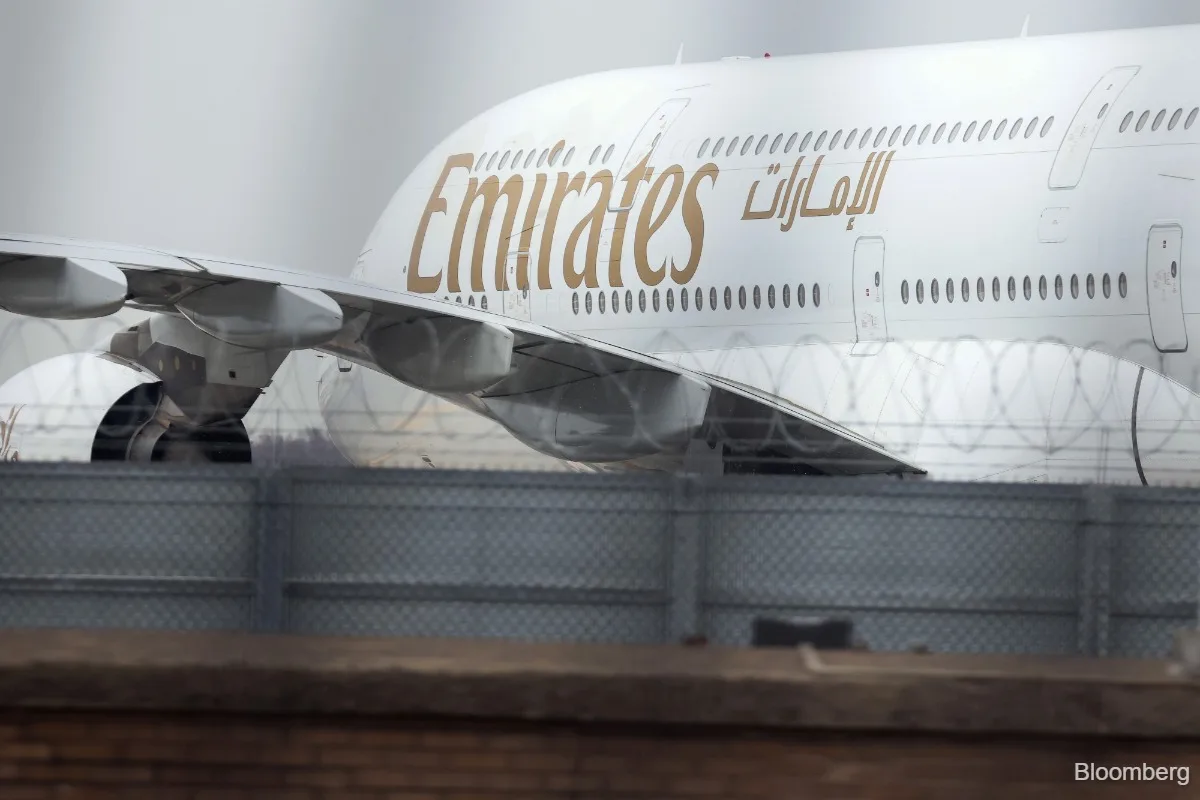
The inspections cover 15 A380s operated by Emirates, the largest A380 operator flying over half the active fleet, and one operated by Qantas [1, 2, 5]. Five Emirates aircraft require immediate inspections starting June 24, 2026, with work already underway [1, 2, 5, 4]. The remaining 11 planes must be inspected before their 13th flight cycle, or 25 total cycles [2, 5, 6]. All A380s sharing the same production history have been identified for the checks [2, 6].
EASA said the cracks could reduce the structural integrity of the wing, raising safety concerns [3]. An agency statement declared, "It has been determined that the cracks found on certain aeroplanes could reduce the structural integrity of the wing" [3]. Airbus said it will discuss with EASA whether repairs are necessary after inspections are complete [2].
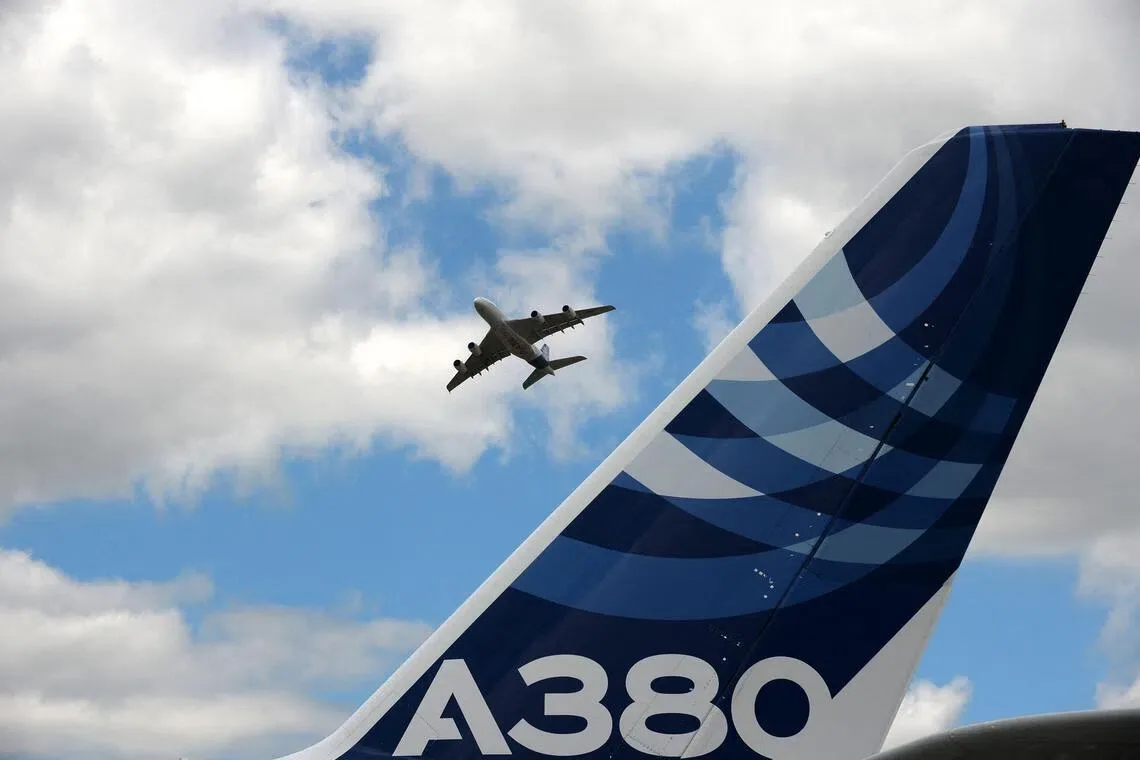
This is not the first time wing-related crack issues have affected the A380. A similar fleet-wide inspection and repair order was issued by EASA in 2012 following earlier crack findings [2, 7]. Airbus no longer produces the A380 due to weak demand for very large aircraft and a shift to smaller, more fuel-efficient jets [3, 8].
Other airlines operating the A380 include Singapore Airlines, British Airways, Lufthansa, Qatar Airways, Korean Air, Etihad Airways, ANA, and Asiana Airlines [1, 5]. The A380 remains in service mainly with a small group of carriers with longstanding fleets.
The issue first came under regulatory scrutiny in December 2025, when EASA issued a directive for inspections after identifying potential cracks. The latest directive requiring special detailed inspections on the 16 aircraft was issued on June 22, 2026 [2, 3]. Airbus announced the inspection plan on June 23 and immediate inspections on five Emirates aircraft began on June 24 [1, 2, 5].
Airbus and EASA will continue working closely throughout the inspection program to determine if repair actions are necessary and to ensure flight safety [2].