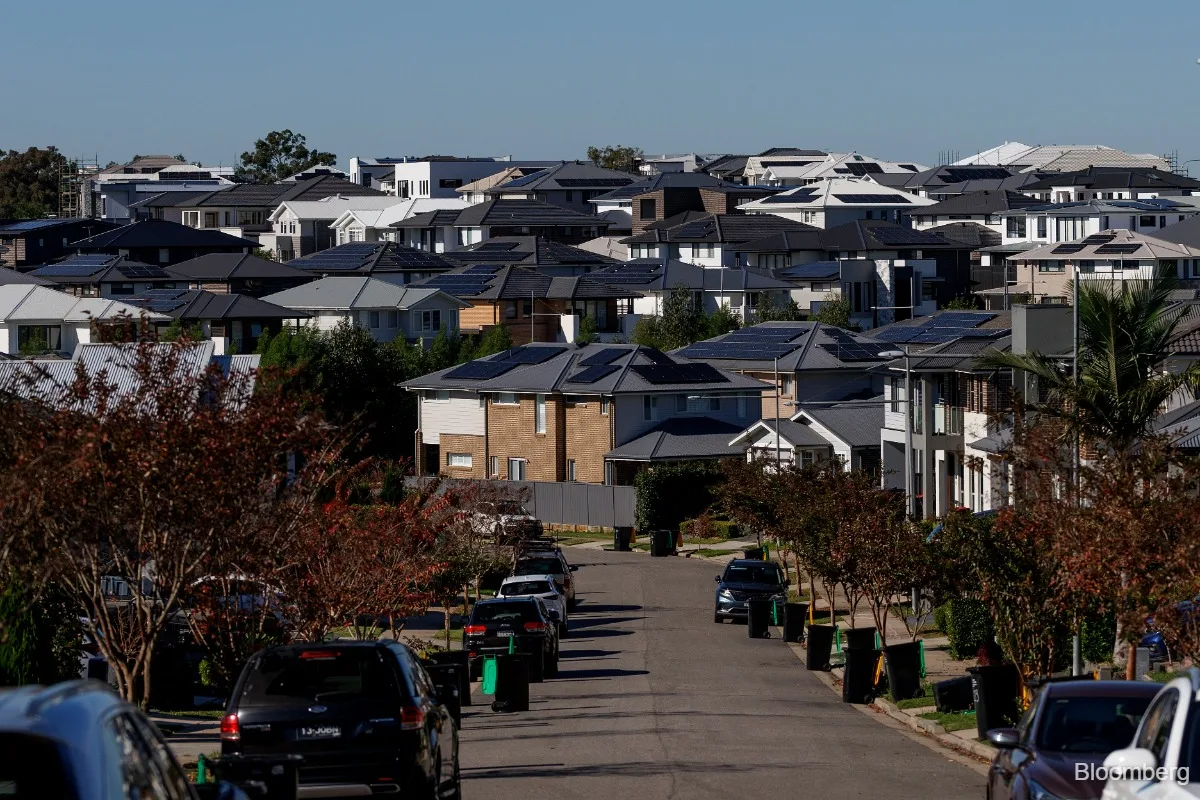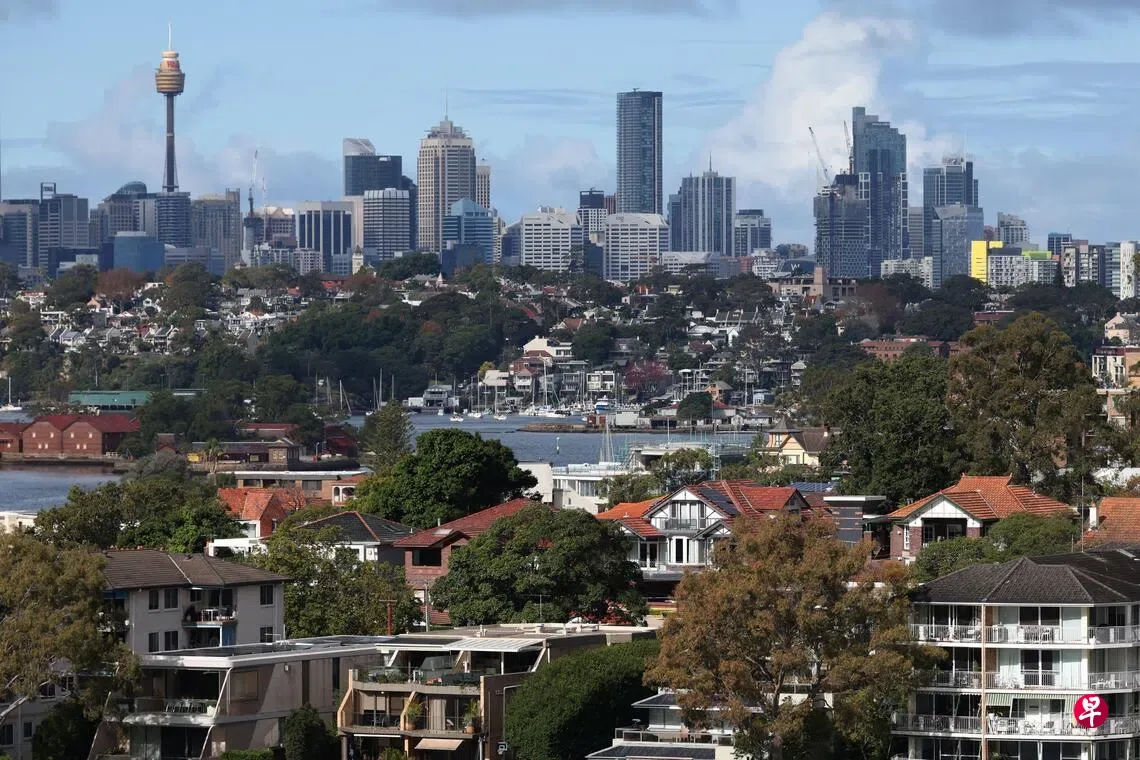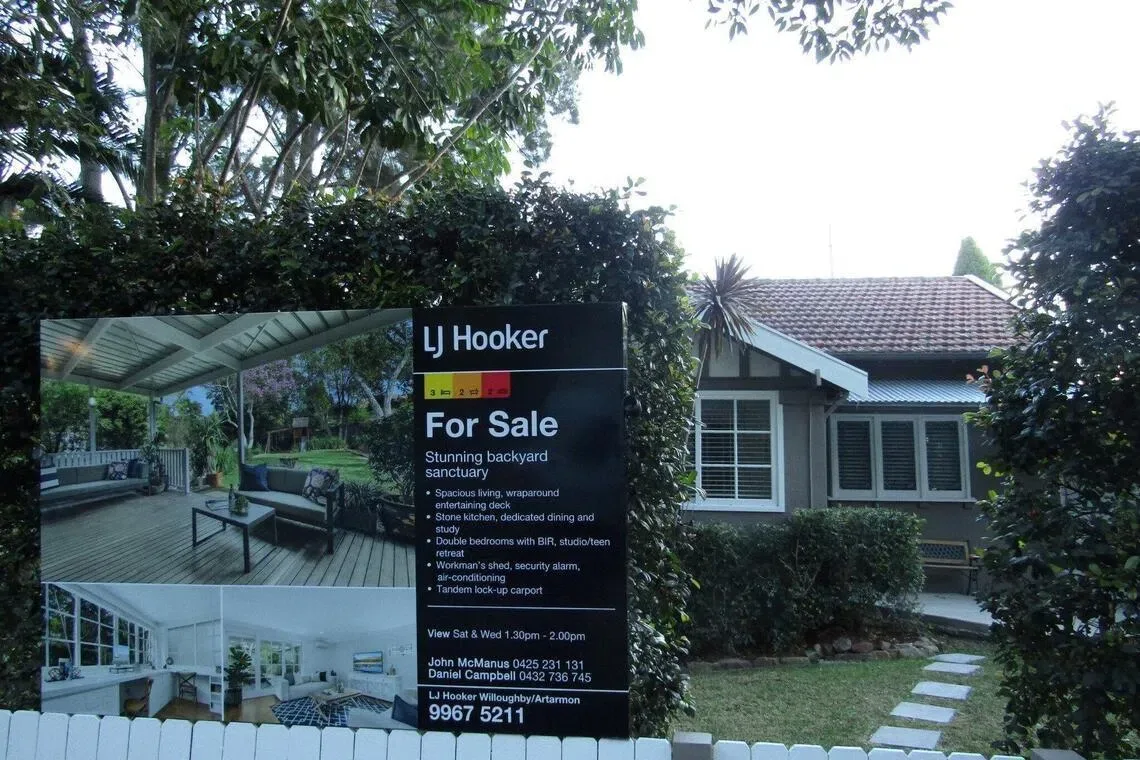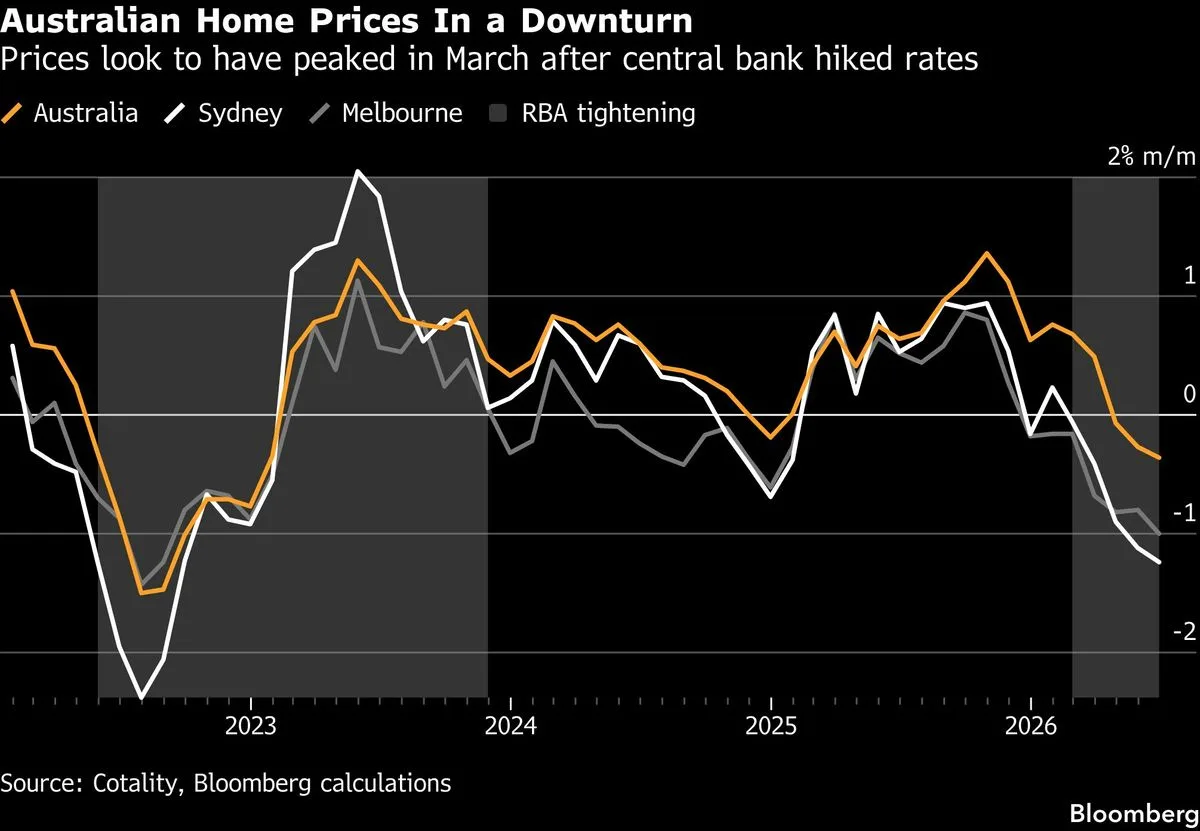
Australian home prices fell 0.4% nationally in June 2026, marking the steepest monthly decline since December 2022, data from property firm Cotality showed [1, 2, 3]. Sydney and Melbourne led the declines with prices dropping 1.2% and 1% respectively in the month [1, 2, 3]. Median home prices in Sydney have decreased by about A$48,000 since January 2026, standing near A$1.3 million in June [1, 2]. Melbourne’s median prices were around A$7,000 lower than a year earlier, while Canberra prices fell A$8,000 since January but remain A$25,000 higher than last June [1].
Despite the national falls, Perth and Darwin saw price increases of 0.7% and 1.4%, respectively [2, 3]. Adelaide’s home prices, after rising steadily for 15 months including a 15.4% annual increase, flatlined or eased slightly in late June [1, 2].
Housing auction clearance rates dropped below 50% in major cities since late May 2026, with Sydney at 47.3% and Melbourne at 50.2%, the lowest levels seen in years [1, 4]. Capital city home sales for the three months to June were down 16.2% compared with the year earlier period [1, 3]. Mortgage demand fell 6.6% in the first five months of 2026 versus a year prior, with first home buyer enquiries down 9.1% [3].
The decline follows three interest rate hikes by the Reserve Bank of Australia since February 2026, which have reduced borrowing capacity and cooled demand [1, 2, 3]. The Australian Labor government also introduced tax reforms mid-year limiting investor tax breaks such as negative gearing and capital gains tax discounts, intended to improve affordability but reducing investment incentives [2, 3, 5].
Tim Lawless, Cotality’s research director, said affordability hurdles weighed on buyer demand before the recent 75 basis point rate rise, while rising living costs, pessimistic sentiment and property tax changes further dampened conditions [3]. Ray White’s chief auctioneer for Victoria and Tasmania, Luke Banitsiotis, noted that while some properties still sell quickly, especially under A$1 million, higher-priced homes face tougher market conditions [1].
AMP deputy chief economist Diana Mousina said market weakness reflects falling investor demand amid the recent budget changes, adding that prices may fall about 5% in the coming year but supply shortages in capital cities could limit declines [4]. Treasurer Jim Chalmers cautioned against overreacting to short-term data fluctuations in the housing market [4].