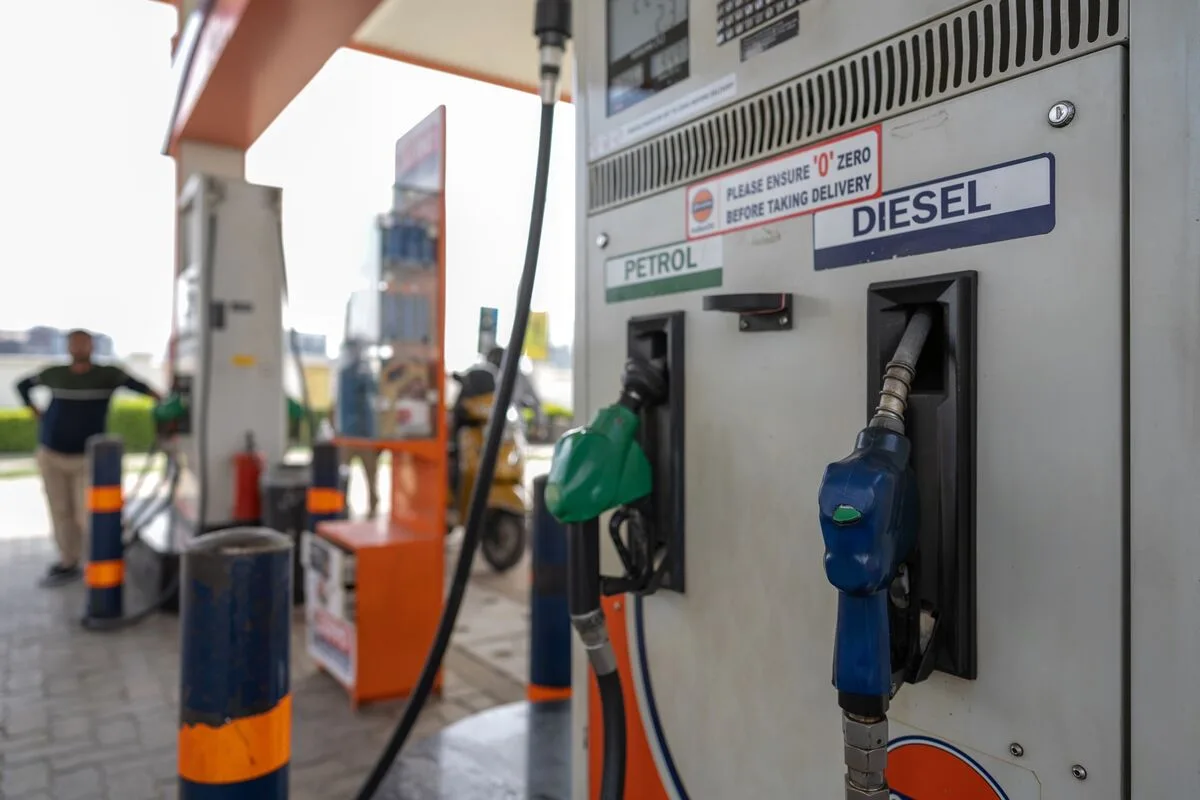
India’s state-owned refiners increased diesel and gasoline prices on May 15, marking the first price hike in four years. Diesel prices rose to 90.67 rupees per litre and gasoline to 97.77 rupees per litre in New Delhi, with fuel prices up about 3 rupees per litre overall, a modest increase compared to the nearly 50% jump in Brent crude oil since the Iran war began earlier this year [1, 2, 3, 4].
India, the world’s third-largest oil importer, depends heavily on Persian Gulf energy supplies. State fuel retailers, which control 90% of outlets, had kept prices frozen since March 2024 to absorb rising costs. Before the hike, refiners such as Indian Oil Corp., Bharat Petroleum, and Hindustan Petroleum were reportedly losing around 10 billion rupees daily on fuel sales [2, 3].
Even after the recent increase, retailers face losses estimated at 15 to 20 rupees per litre due to crude prices remaining high above $100 per barrel. Economist Radhika Piplani of Motilal Oswal Financial Services said, "Fuel retailers will still face a gap of 15 to 20 rupees per litre on fuel sales." Brent crude stood at about $107 per barrel on May 15, influenced by the ongoing conflict between the U.S. and Iran, which has added geopolitical risk to oil markets and contributed to inflationary pressures globally [2, 3, 5, 6, 7].
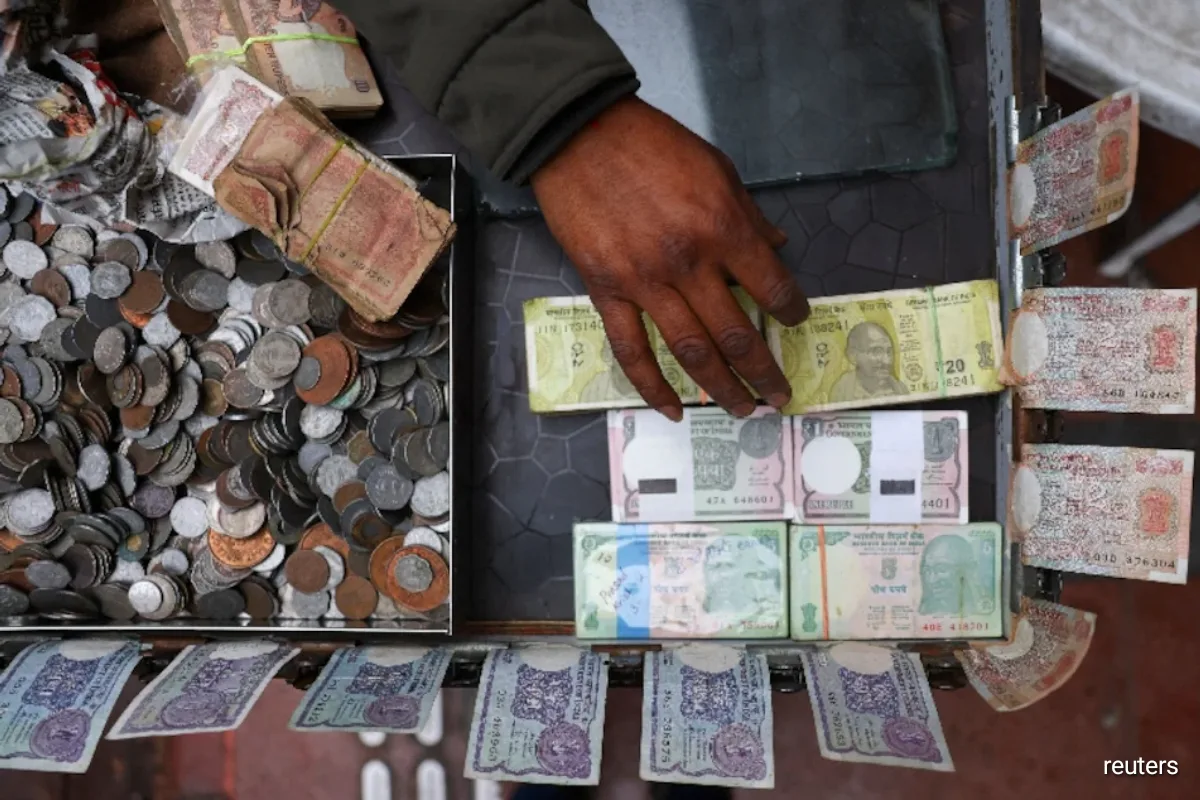
The price hike also aims to contain inflation amid a weakening rupee and elevated global oil costs. Following the announcement, shares of major state refining companies fell, reflecting market concerns over profitability and rising input costs [2, 3]. India’s balance of payments is expected to remain in deficit for a third year due to the higher oil import bill.
Meanwhile, Japan intervened in currency markets for the first time since 2024, spending $73.6 billion between April 28 and May 27 to support the yen amid global currency volatility, according to India’s finance ministry data [8].
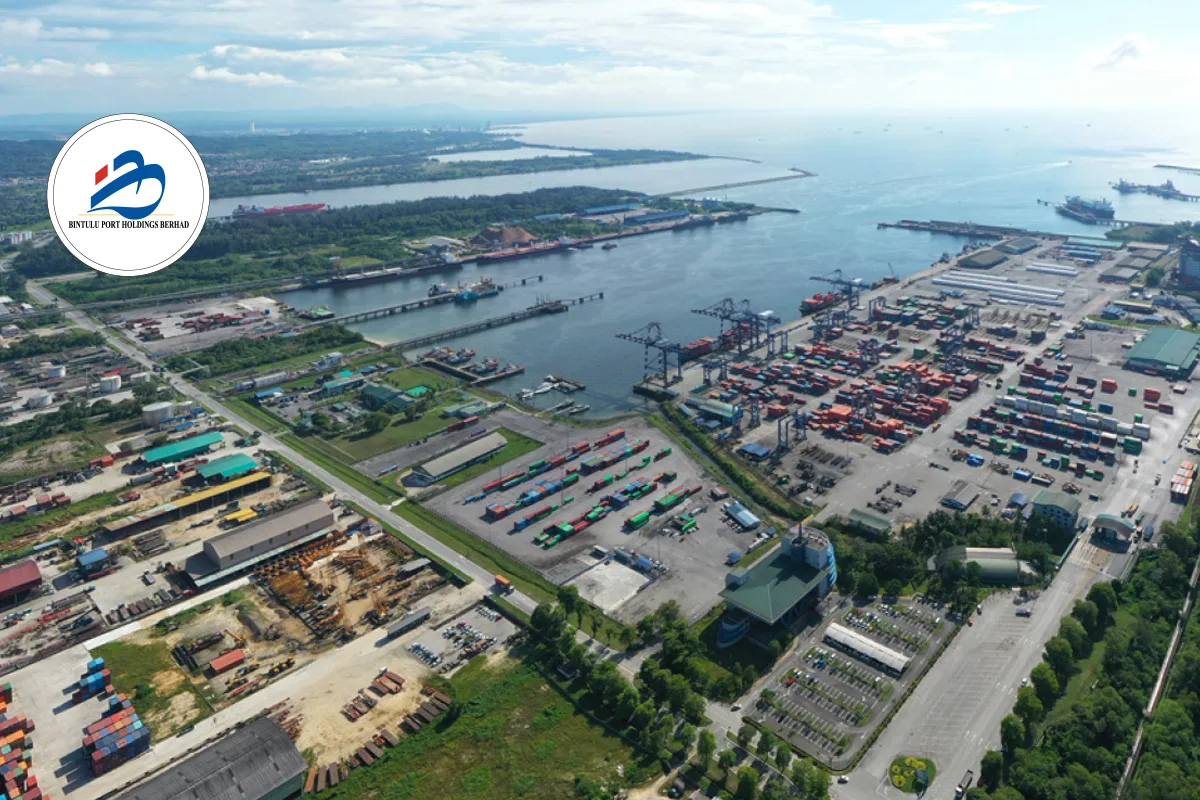
In the region, Malaysia’s economy grew 5.4% year-on-year in the first quarter of 2026 but still faces inflation and supply chain challenges partly linked to Middle East tensions. Economy Minister Akmal Nasrullah Ahmad Nasir said Malaysia’s growth "provides a strong foundation for the government to implement more structured, proactive and responsive measures to address current economic challenges." The Malaysian government announced targeted interventions to stabilize prices and supply, with pressures expected to worsen in the third quarter of 2026 [9, 10, 7].
India’s Reserve Bank may raise interest rates in 2026 due to inflationary pressures from higher oil prices. Indian firms have also increased issuance of floating-rate debt, anticipating further rate hikes [11].
India’s fuel tax cut implemented in March 2026 to relieve refiners was reversed with the May 15 price rise, reflecting growing pressure from sustained crude cost increases [2, 3].