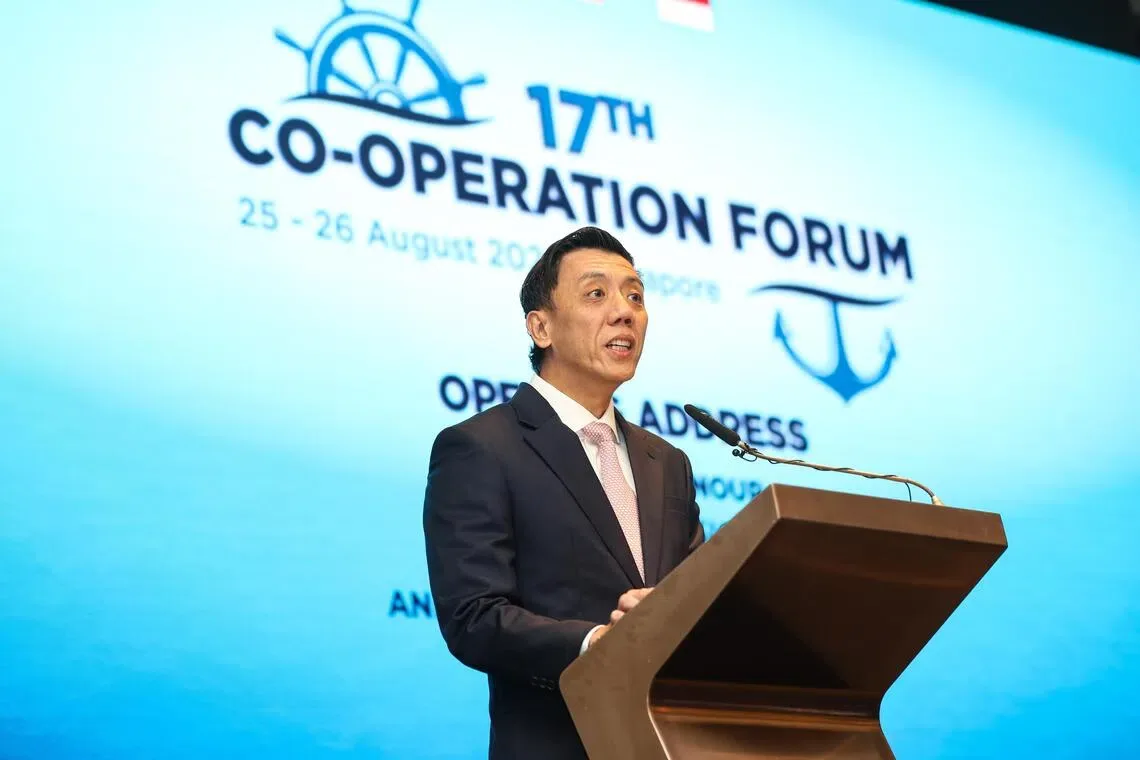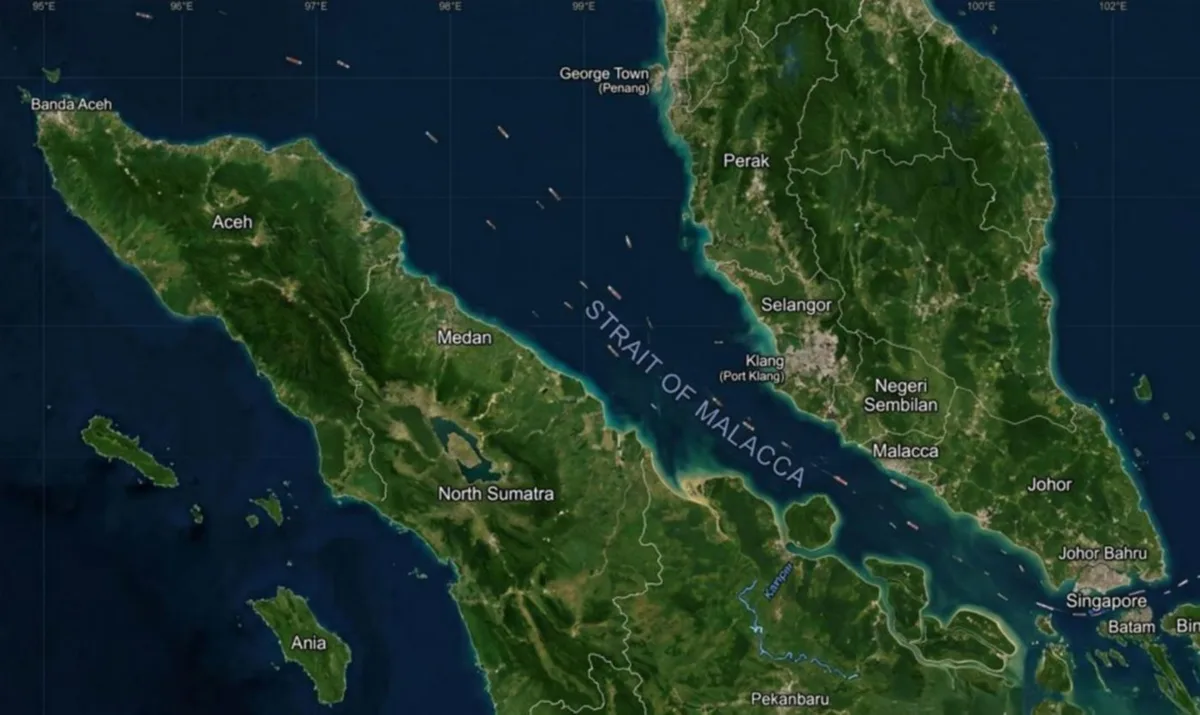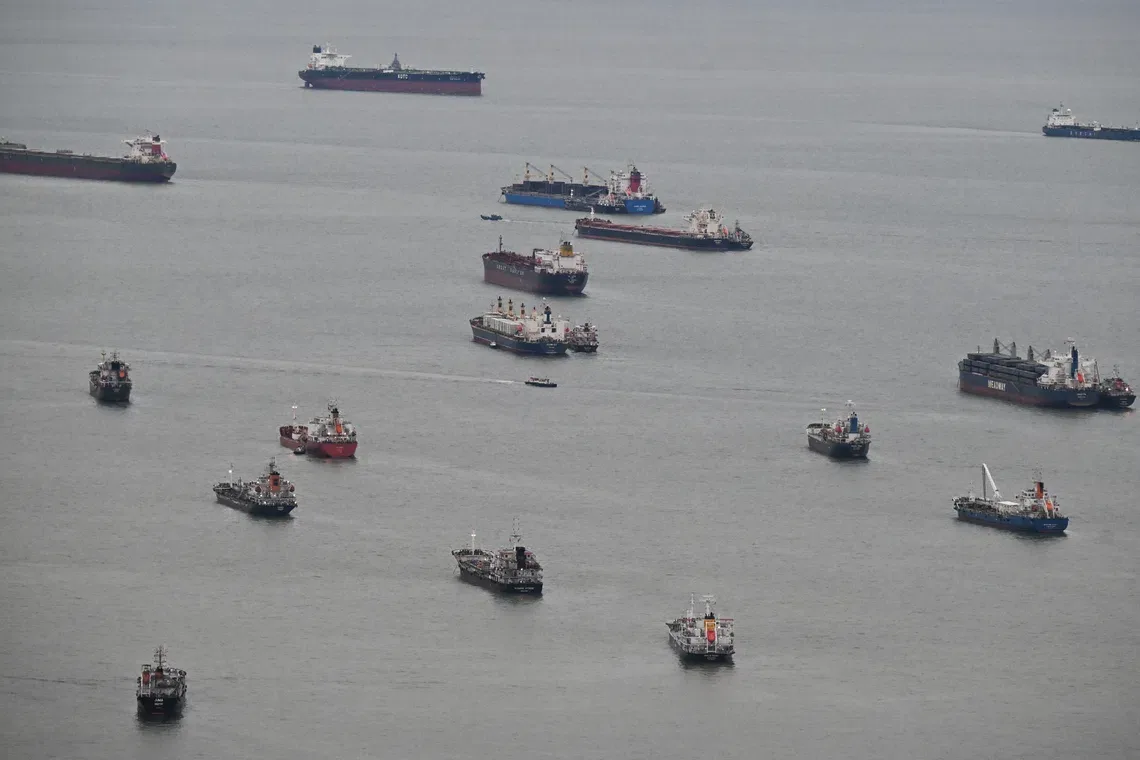
Indonesia, Malaysia and Singapore reaffirmed their shared commitment to keep the Straits of Malacca and Singapore free, open and safe for international shipping during the 17th Co-operation Forum held in Singapore on August 25, 2026 [1, 2]. The straits are vital global waterways, with over 100,000 vessels passing annually, carrying nearly a quarter of global seaborne trade and almost a third of the world's oil and gas supplies [2, 3, 4].
Singapore’s Transport Minister Jeffrey Siow emphasized the critical importance of maintaining open sea lanes, citing recent conflicts in West Asia as a reminder that such routes cannot be taken for granted. Siow said, "Events in West Asia this year reminded the world that open sea lanes can never be taken for granted. In our part of the world, we will endeavour to keep the Straits of Malacca and Singapore free, open and safe for international shipping" [3].
Since 2007, Indonesia, Malaysia and Singapore have worked through a Cooperative Mechanism—the first and only such arrangement under UNCLOS Article 43—focusing on navigational safety and pollution prevention in the straits [5, 6]. The mechanism prioritizes anticipating maritime risks early, regularly upgrading navigational infrastructure, and coordinating collective incident response [5, 3]. To date, more than 50 navigational aids guide vessels through the straits, some funded by voluntary user contributions [1, 7].
New technology, including artificial intelligence and digital data-sharing tools, is being deployed to better anticipate risks and improve response times to incidents in the straits [1]. Since 2007, maritime groups and countries have contributed about 26 million USD toward maintaining navigation safety in the Strait of Malacca region, although this covers only part of overall costs [8].
A major oil spill in 1975 involving the Japanese vessel Showa Maru, which spilled over 3,300 tonnes of crude oil, spurred regional cooperation to limit environmental damage in the straits [1]. Transport Minister Siow noted, "For over half a century, Indonesia, Malaysia and Singapore collaborated closely to improve navigational safety in our waters, including in areas with unresolved maritime boundaries" [4]. Despite some remaining maritime boundary issues, the littoral states continue robust cooperation.
The straits are recognized under the 1982 United Nations Convention on the Law of the Sea and customary international law as "Straits Used for International Navigation," guaranteeing transit passage rights [5, 3, 4]. Regional guidelines on coordination for ships in distress are expected to be finalized by the end of 2026 to further improve safety and response [1].
The forum in Singapore brought together officials from Indonesia, Malaysia, Singapore and partners to renew their joint commitment and review progress in maintaining these crucial sea lanes [1].